







Machine learning is no longer limited to research labs or tech giants—it’s quietly powering everyday tools, from product recommendations and voice assistants to fraud detection and predictive analytics. Yet for many people, the concept of machine learning models still feels complex and intimidating. The good news? Once you understand the core types, everything starts to make sense.
In this guide, we break down the main types of machine learning models in a clear, practical way—no advanced math, no jargon overload. Whether you’re a tech enthusiast, a business professional, or someone curious about AI, this overview will help you understand how machine learning really works.
What Is a Machine Learning Model?
At its core, a machine learning model is a system trained to recognize patterns in data and make predictions or decisions without being explicitly programmed for every scenario. Instead of following fixed rules, models learn from examples and improve over time as they process more data.
The type of model used depends on the kind of data available and the problem being solved. Broadly speaking, machine learning models fall into a few main categories.
Supervised Learning Models
Supervised learning is the most commonly used type of machine learning. In this approach, models are trained using labeled data—meaning the input data comes with the correct output already provided.
For example, if you want a model to detect spam emails, you would train it using emails already marked as “spam” or “not spam.” Over time, the model learns to associate certain patterns with each outcome.
Common Supervised Learning Models
- Linear Regression – Used for predicting numerical values, such as prices or trends
- Logistic Regression – Often used for classification tasks like yes/no decisions
- Decision Trees – Models that split data into branches based on conditions
- Support Vector Machines (SVMs)—Effective for classification in complex datasets
Supervised models are widely used in finance, healthcare, marketing, and customer analytics because they offer clear, measurable results.
Unsupervised Learning Models
Unsupervised learning models work with data that has no labels. Instead of being told what to look for, the model explores the data and finds patterns on its own.
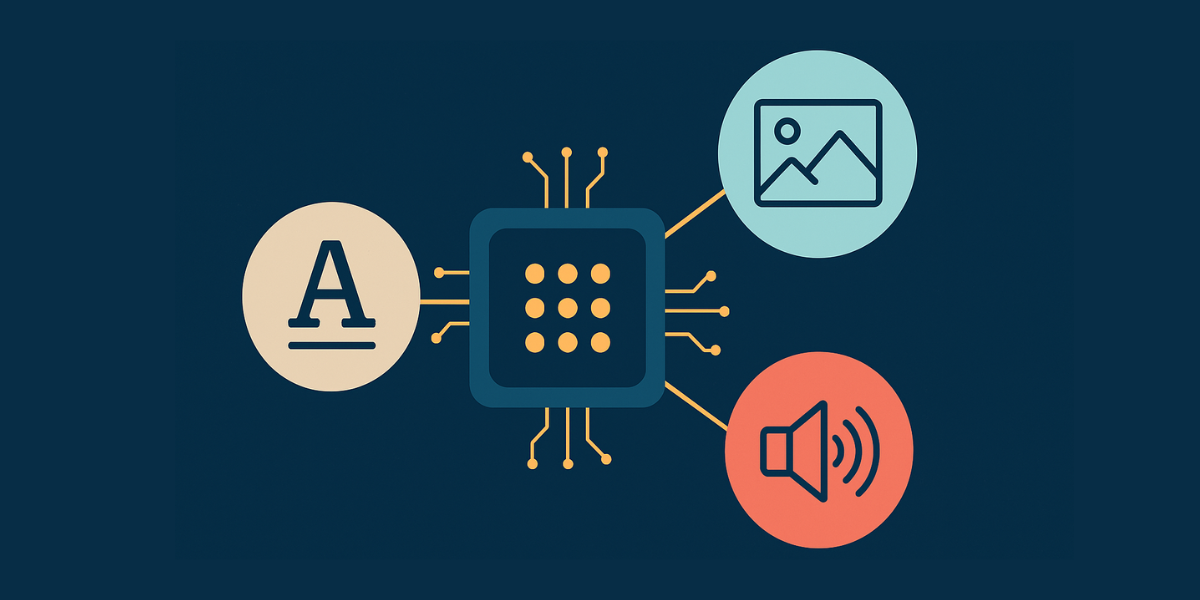
This type of learning is especially useful when you don’t know what insights you’re looking for in advance. It helps uncover hidden structures within large datasets.
Common Unsupervised Learning Models
- Clustering Models – Group similar data points together
- K-Means Clustering – Popular for customer segmentation
- Hierarchical Clustering—Builds nested groups based on similarity
- Dimensionality Reduction Models – Simplify complex data while preserving meaning
Unsupervised learning is often used in market research, recommendation systems, and anomaly detection.
Semi-Supervised Learning Models
Semi-supervised learning sits between supervised and unsupervised learning. These models are trained using a small amount of labeled data and a large amount of unlabeled data.
This approach is useful when labeling data is expensive, time-consuming, or impractical. By combining both data types, the model can still achieve strong performance with fewer labeled examples.
Semi-supervised models are commonly used in image recognition, speech processing, and natural language analysis.
Reinforcement Learning Models
Reinforcement learning models learn through experience. Instead of learning from a fixed dataset, the model interacts with an environment and learns by receiving rewards or penalties based on its actions.
Think of it like training a dog: good behavior is rewarded, and over time, the dog learns what actions lead to positive outcomes.
Where Reinforcement Learning Is Used
- Robotics and automation
- Game-playing AI
- Self-driving vehicle systems
- Dynamic pricing and resource optimization
Reinforcement learning is powerful but complex, often requiring large amounts of computing power and carefully designed environments.
Deep Learning Models
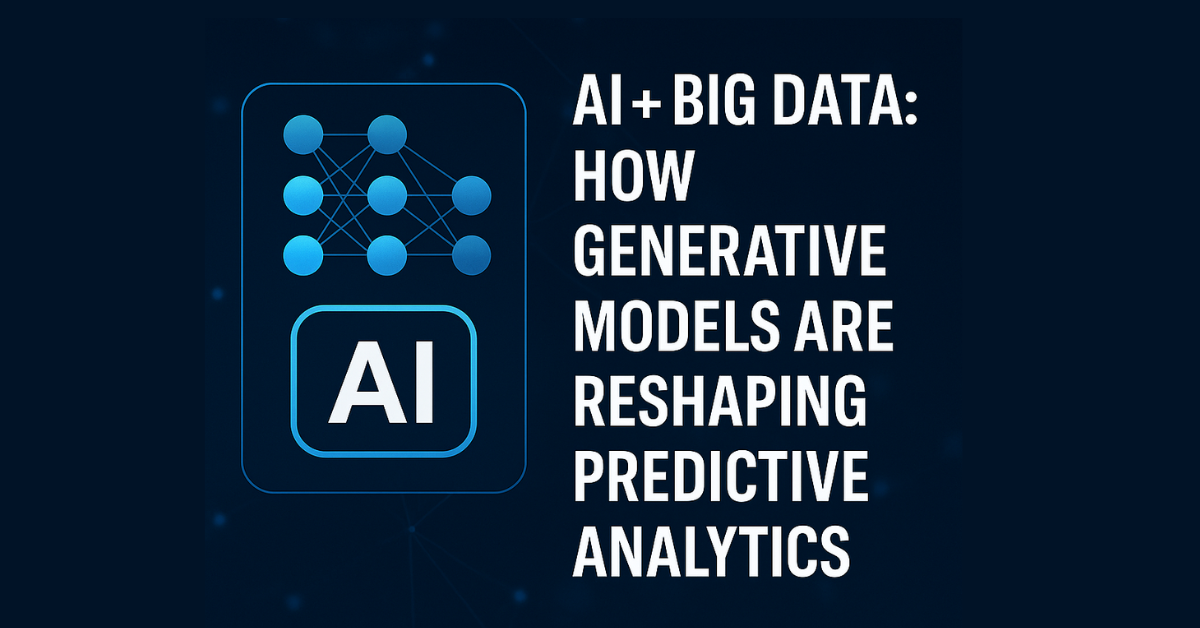
Deep learning is a specialized subset of machine learning that uses neural networks with multiple layers to process data. These models are particularly effective at handling large, unstructured datasets like images, audio, and text.
Deep learning models can automatically learn complex features without manual input, which makes them ideal for modern AI applications.
Common Deep Learning Models
- Neural Networks—The foundation of deep learning
- Convolutional Neural Networks (CNNs)—Widely used in image recognition
- Recurrent Neural Networks (RNNs)—Designed for sequence-based data
- Transformer Models – Power many modern language and vision systems
While deep learning delivers impressive results, it often requires large datasets and significant computing resources.
Choosing the Right Machine Learning Model
There is no single “best” machine learning model. The right choice depends on several factors:
- The type and quality of data available
- Whether the data is labelled or unlabelled
- The complexity of the problem
- Accuracy, speed, and interpretability requirements
Simple problems often benefit from simpler models, while complex tasks may require advanced techniques like deep learning. Understanding the strengths and limitations of each model type is key to making effective decisions.
Why Machine Learning Models Matter Today
Machine learning models are shaping how businesses operate and how technology evolves. From personalizing user experiences to improving operational efficiency, these models enable smarter, data-driven decisions.
As data continues to grow in volume and value, understanding how machine learning models work is becoming an essential skill—not just for developers, but for anyone working in tech-driven industries.
Final Thoughts
Machine learning doesn’t have to feel overwhelming. By understanding the main types of machine learning models and what they’re best suited for, you gain a clearer picture of how AI systems learn, adapt, and improve.
At Your Tech Digest, we focus on breaking down complex technologies into practical, easy-to-understand insights. If you’re interested in staying informed about emerging tech, AI trends, and data-driven innovation, explore more of our articles and keep learning at your own pace.