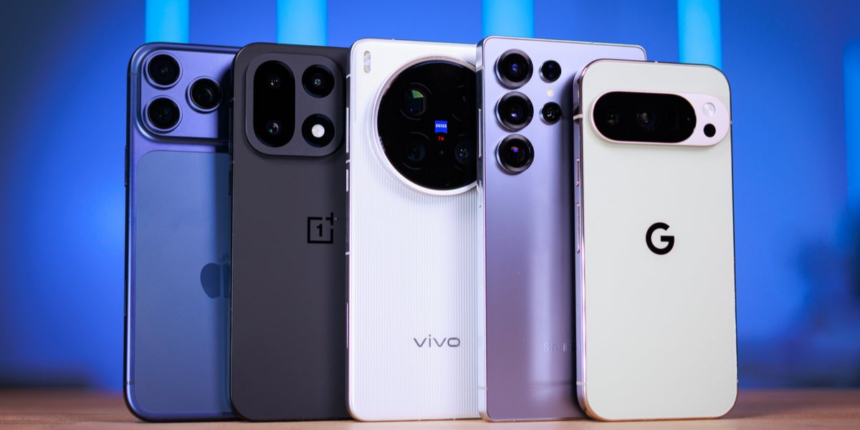









The smartphone market in 2025 is more competitive—and more sophisticated—than ever. With incremental upgrades no longer enough to impress, today’s smartphones are defined by how intelligently they blend performance, design, and long-term usability. For buyers, this means choosing a device is less about chasing the highest specs and more about understanding which features genuinely improve everyday experience.
Whether you’re upgrading from an older model or investing in a flagship device, knowing what truly matters can help you make a smarter, future-ready choice. Here’s a practical breakdown of the key smartphone features that define the best phones to buy in 2025.
Performance That Feels Effortless
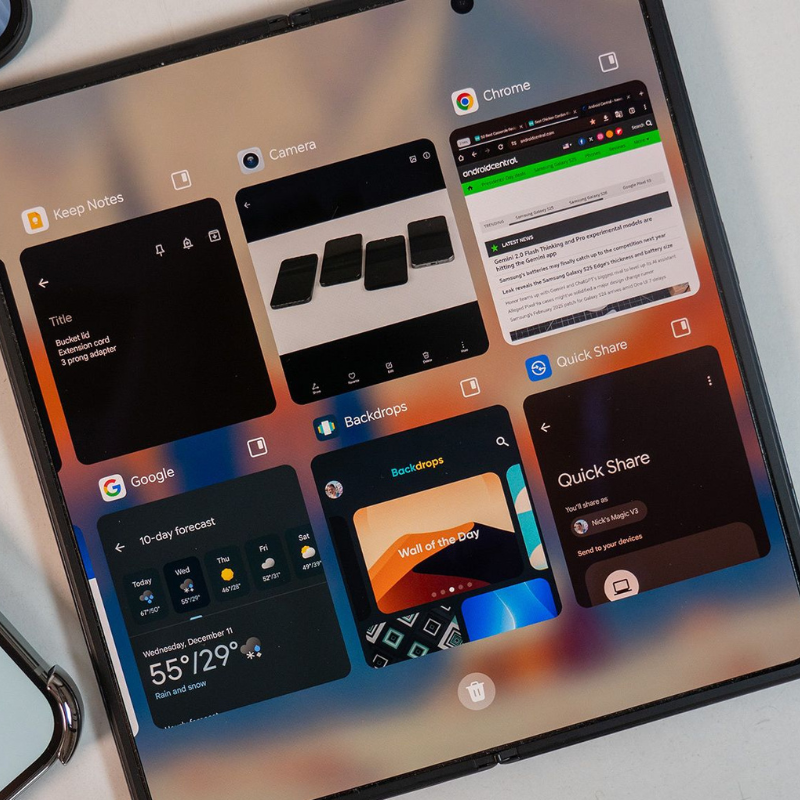
Raw processing power has reached a point where most premium smartphones feel fast. What separates the best smartphones in 2025 is consistency. Smooth multitasking, reliable app performance, and efficient background processing matter more than benchmark scores.
Modern chipsets are now optimized for AI tasks, image processing, and power efficiency. This means faster photo rendering, smarter battery usage, and seamless switching between apps. When choosing a smartphone, look beyond clock speeds and focus on real-world responsiveness—how well the device handles daily workloads without overheating or slowing down.
Displays Designed for Real Use
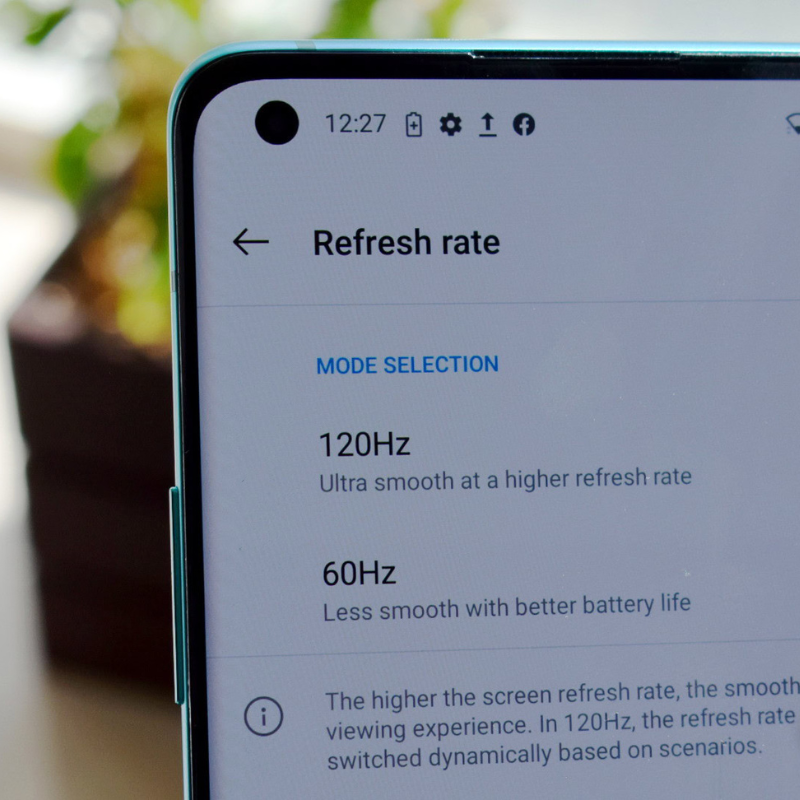
Smartphone displays in 2025 are brighter, sharper, and more adaptive. High refresh rates are now standard, making scrolling and animations feel fluid. But the real improvement lies in display intelligence.
Adaptive refresh rates adjust automatically to save battery, while improved color accuracy reduces eye strain during prolonged use. Edge-to-edge screens with refined bezels create immersive viewing experiences without compromising grip or usability. A great display should enhance everything from reading and browsing to gaming and video—without demanding constant battery trade-offs.

Camera Systems That Prioritize Quality Over Hype
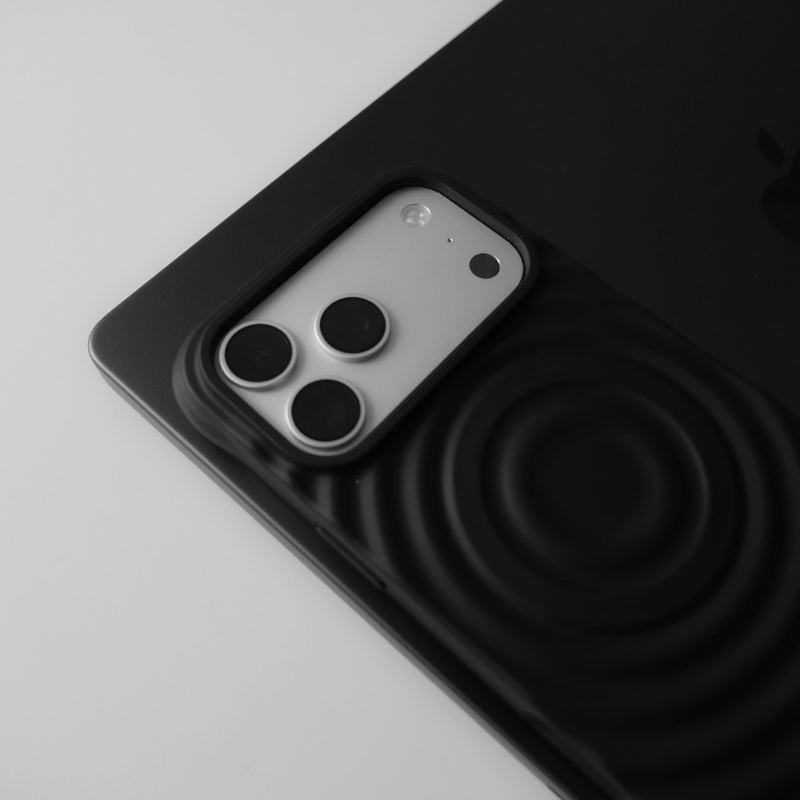
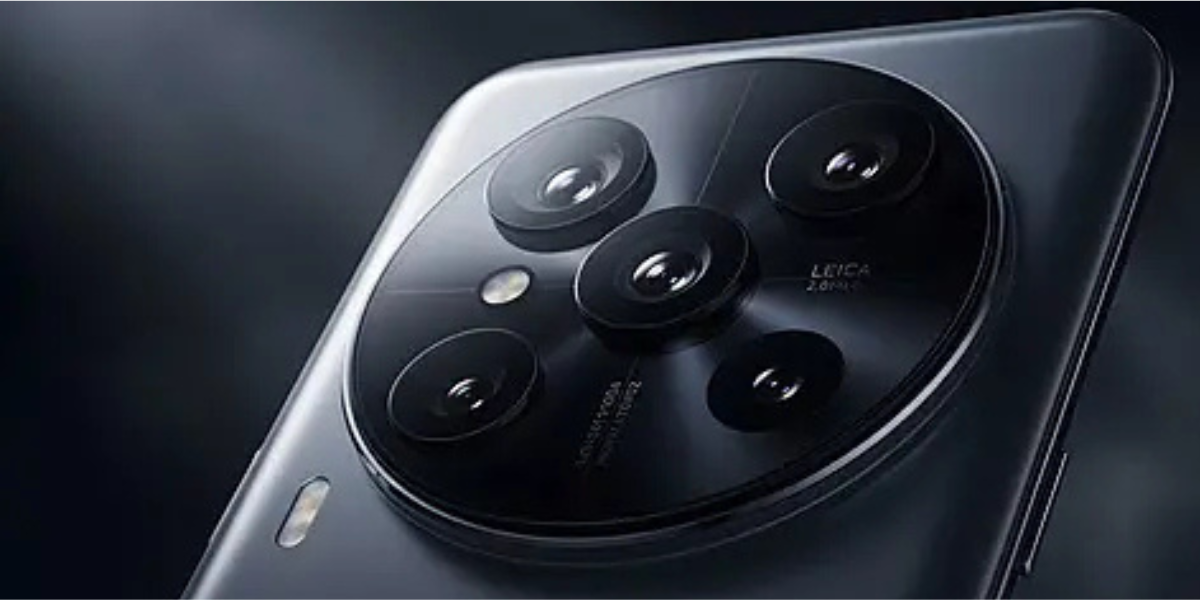
Camera performance remains a major deciding factor for buyers, but in 2025, the focus has shifted from megapixel counts to image intelligence. The best smartphones now deliver consistent results across lighting conditions, not just ideal scenarios.
Improved sensors, AI-powered image processing, and better stabilization allow users to capture sharp photos and videos with minimal effort. Features like natural skin tones, accurate night photography, and reliable video autofocus are far more valuable than excessive lens counts. A smartphone camera should feel dependable—ready to capture moments without constant adjustments.
Battery Life That Matches Modern Lifestyles
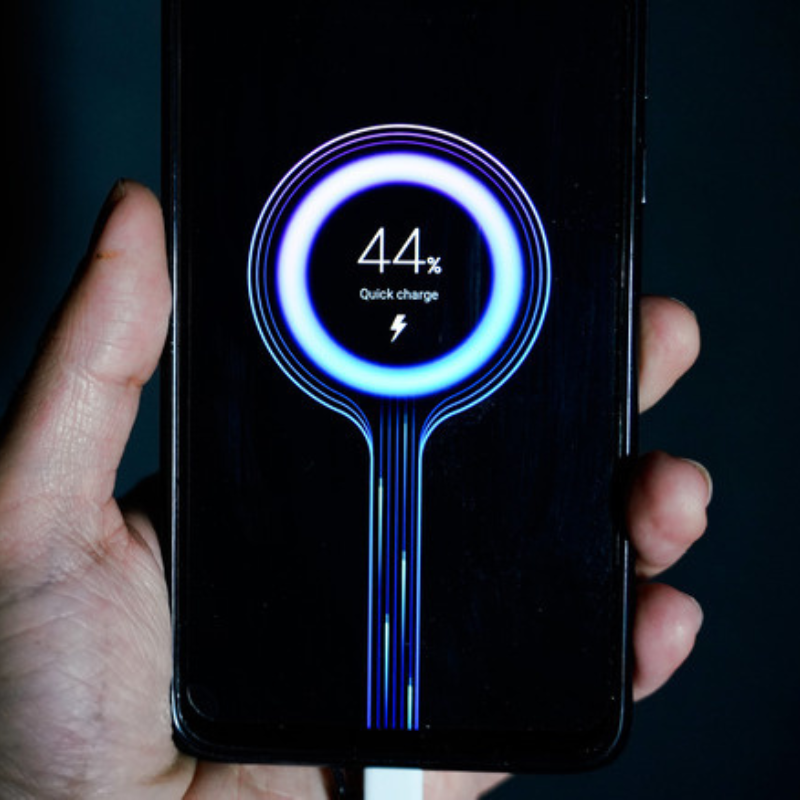
Battery technology has evolved, but user expectations have evolved faster. In 2025, the best smartphones are those that comfortably last a full day—or more—without anxiety.
Power efficiency now comes from intelligent software optimization as much as battery size. Devices that learn usage patterns, limit background drain, and optimize charging cycles stand out. Fast charging has also matured, offering quick top-ups without excessive heat or long-term battery degradation.
Wireless charging and reverse charging are useful extras, but reliable endurance remains the priority. A great smartphone should support your day, not interrupt it.
Design That Balances Aesthetics and Durability
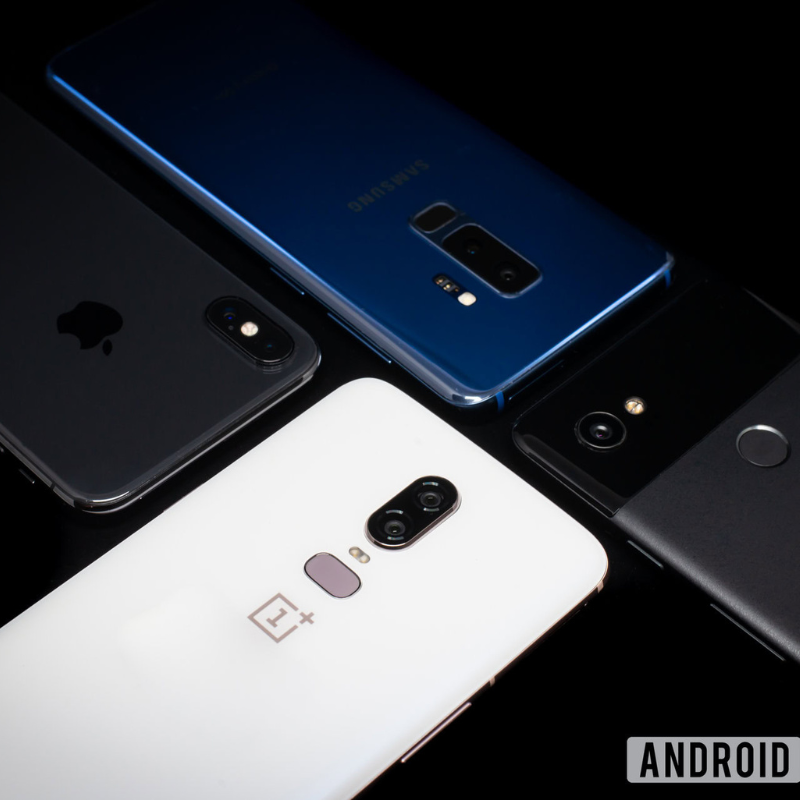
Smartphone design in 2025 is more refined and purposeful. Clean lines, premium materials, and slimmer profiles dominate the market, but durability is no longer an afterthought.
Improved glass technology, stronger frames, and better water and dust resistance ensure devices are built for real-world use. Ergonomics also matter—phones should feel comfortable in hand, not just impressive on a spec sheet. The best smartphones strike a balance between visual appeal and long-term resilience.
Software Experience and Longevity
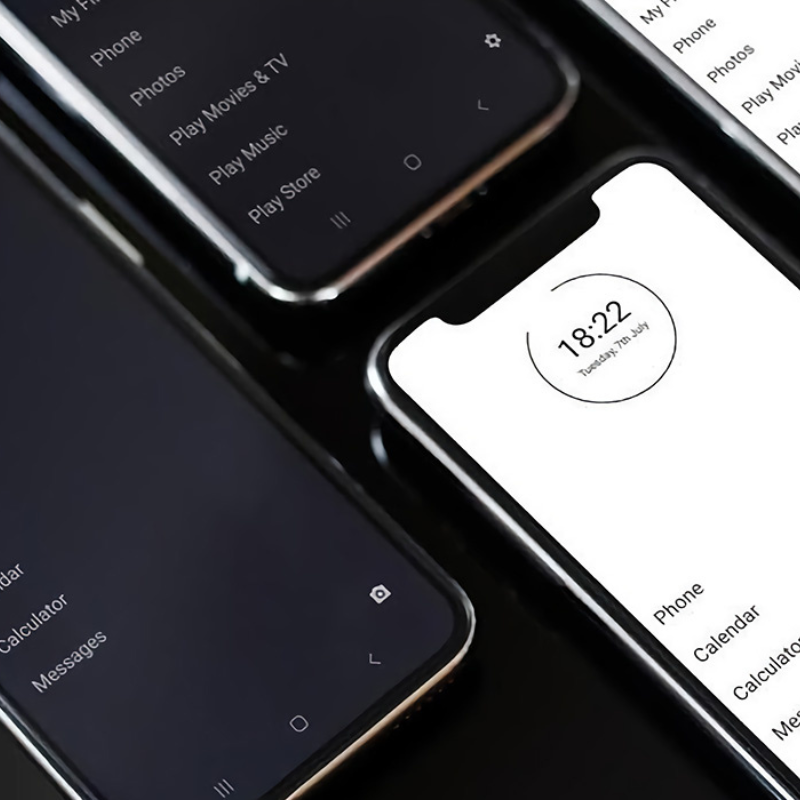
Hardware may attract attention, but software defines how a smartphone ages. In 2025, long-term software support is a crucial factor when choosing a device.
The best smartphones offer clean, intuitive interfaces with minimal bloatware and a clear commitment to updates. Security patches, feature updates, and OS upgrades extend a device’s lifespan and protect user data. A smooth software experience should feel intuitive from day one and remain reliable years down the line.
AI Features That Add Real Value

Artificial intelligence is now deeply integrated into smartphones—but not all AI features are equally useful. In 2025, meaningful AI focuses on simplifying tasks rather than adding novelty.
Smart photo enhancements, voice assistants that understand context, predictive text improvements, and intelligent power management are examples of AI that genuinely improve daily use. The best smartphones use AI quietly in the background, enhancing experience without demanding attention.
Connectivity and Future Readiness

With faster networks and expanding ecosystems, connectivity plays a bigger role than ever. Support for advanced network standards, stable Bluetooth connections, and seamless integration with other devices—such as tablets, laptops, and wearables—adds long-term value.
Future-ready smartphones are those that won’t feel outdated as technology evolves. Choosing a device with strong connectivity ensures it remains relevant beyond the next upgrade cycle.
Making the Right Choice in 2025

The best smartphones to buy in 2025 are not defined by a single standout feature. They succeed by delivering balance—performance that feels smooth, cameras that are reliable, batteries that last, and software that ages gracefully.
Instead of chasing trends, smart buyers focus on how a device fits their lifestyle. The right smartphone should support productivity, creativity, and connection without friction.
If you’re exploring how technology and design continue to shape the way we live, work, and interact, keep discovering thoughtful insights and future-focused perspectives with Ideas for Architecture—where innovation meets intelligent design.