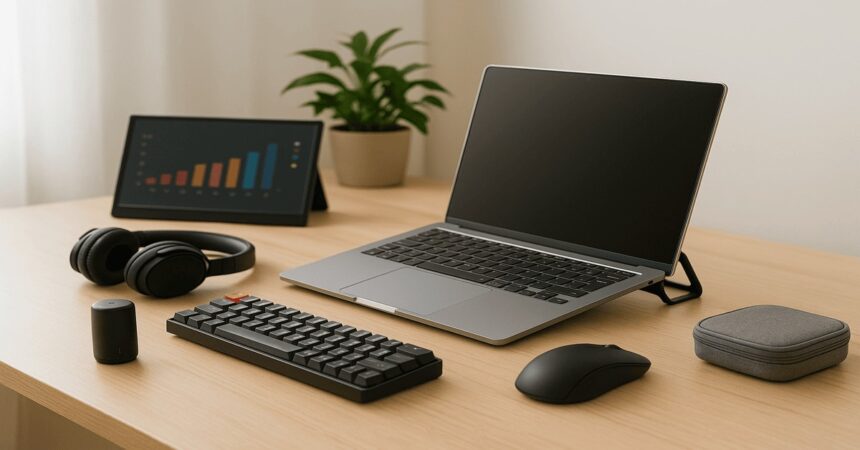








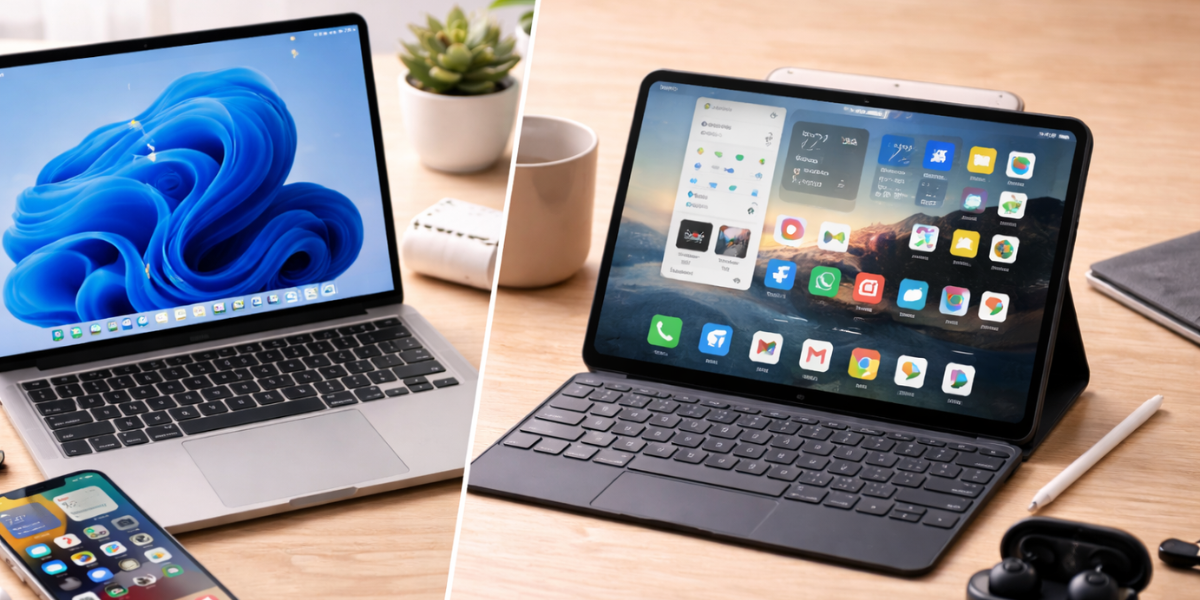

Choosing between a laptop and a tablet has become a common dilemma for modern users. Both devices have evolved significantly, blurring the lines between work tools and lifestyle companions. Whether you’re a professional, a student, a creative, or someone who simply wants a reliable device for everyday tasks, the right choice depends on how you work, live, and consume content.
In this guide, we’ll compare laptops and tablets from a practical, real-world perspective to help you decide which one truly fits your work and lifestyle needs.
Understanding the Core Difference
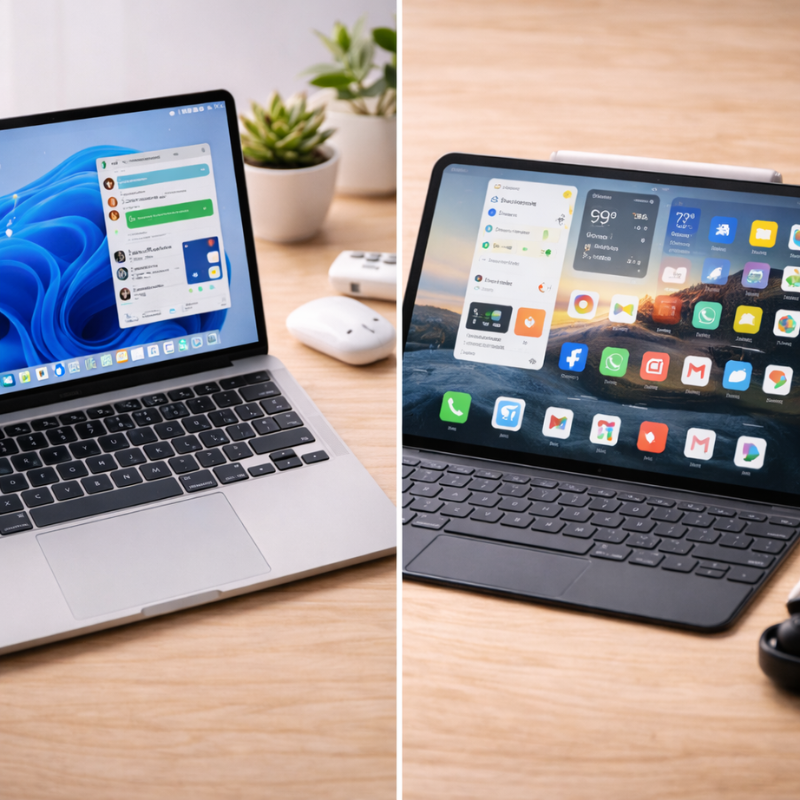
At their core, laptops are built for productivity, while tablets prioritize portability and convenience. Laptops come with physical keyboards, desktop-grade software, and multitasking capabilities that suit demanding workloads. Tablets, on the other hand, are lightweight, touch-driven, and designed for quick interactions, media consumption, and on-the-go use.
While modern tablets have gained powerful processors and keyboard accessories, and laptops have become thinner and more portable, their strengths still differ in meaningful ways.
Productivity and Work Performance
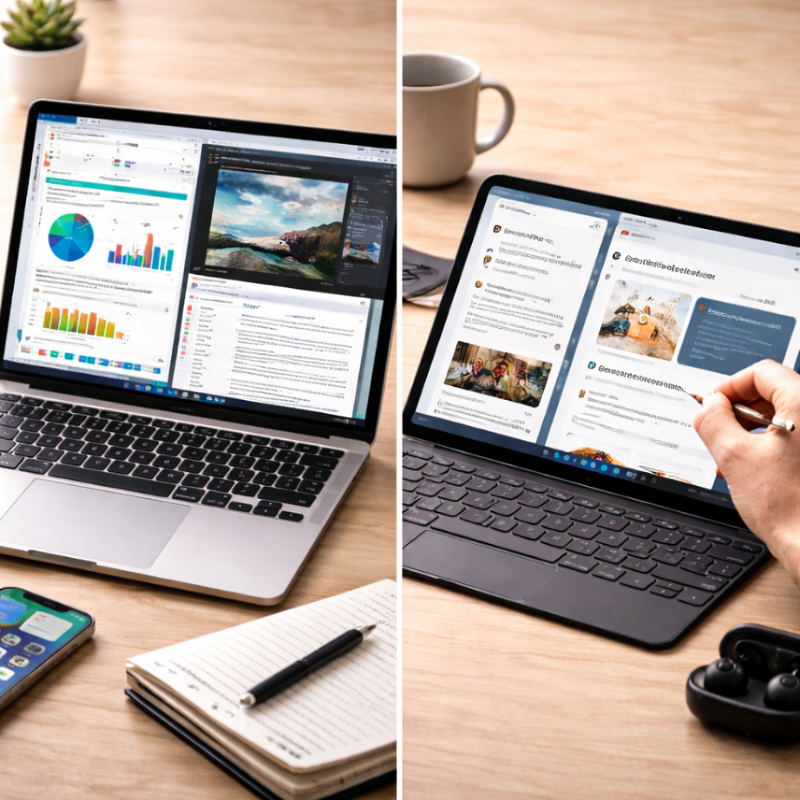
If your daily routine involves writing documents, managing spreadsheets, coding, designing, or handling multiple applications at once, a laptop generally offers a smoother experience. Full desktop operating systems provide advanced multitasking, better file management, and compatibility with professional software.
Tablets can handle light productivity tasks such as emails, note-taking, presentations, and basic document editing. With external keyboards and stylus support, they’ve become more capable than ever. However, switching between apps, managing large files, or using specialized software can feel limiting compared to a laptop.



For work-heavy users, laptops remain the more dependable choice.
Portability and Convenience
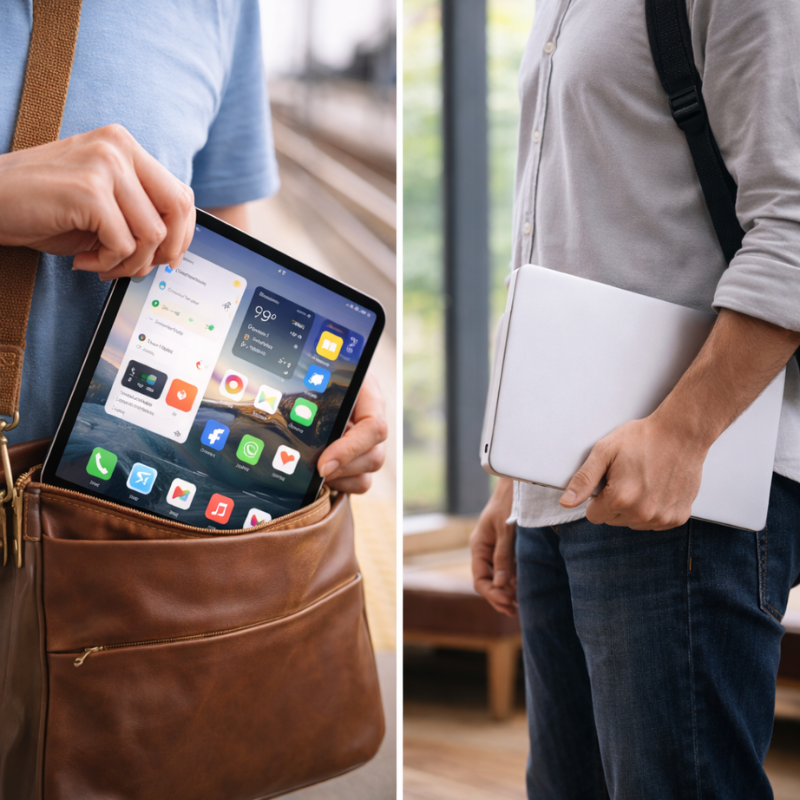
Tablets excel in portability. They are thinner, lighter, and easier to carry, making them ideal for travel, commuting, or casual use around the house. Turning a tablet on and interacting with it feels instant, which suits users who prefer quick access over long work sessions.
Laptops are still portable, but they require more space and setup. While ultrabooks and lightweight laptops have improved mobility, they don’t match the effortless convenience of a tablet slipped into a bag.
If your lifestyle prioritizes mobility and minimalism, tablets have a clear advantage.
Typing, Input, and User Comfort
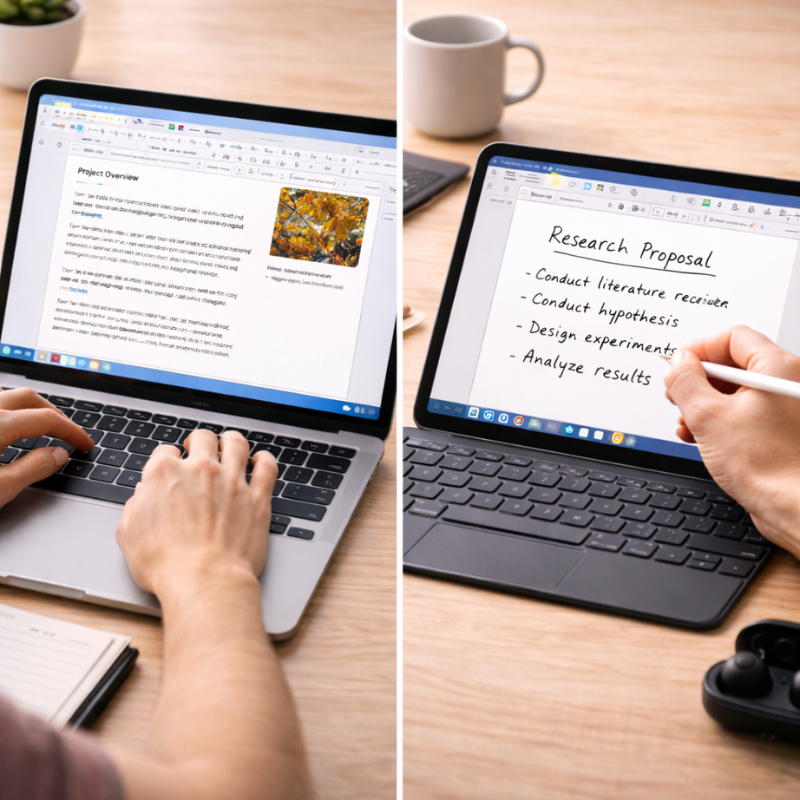
Typing is a major consideration. Laptops are designed for extended typing sessions, offering better ergonomics, tactile keyboards, and trackpads or mice for precise control.
Tablets rely heavily on touch input. While detachable keyboards improve typing comfort, they often lack the stability and responsiveness of a laptop keyboard. Touchscreens and stylus input, however, make tablets excellent for sketching, annotating documents, and handwritten notes.
For writers and professionals, laptops feel more natural. For creatives and casual users, tablets can feel more intuitive.
Software and App Ecosystem
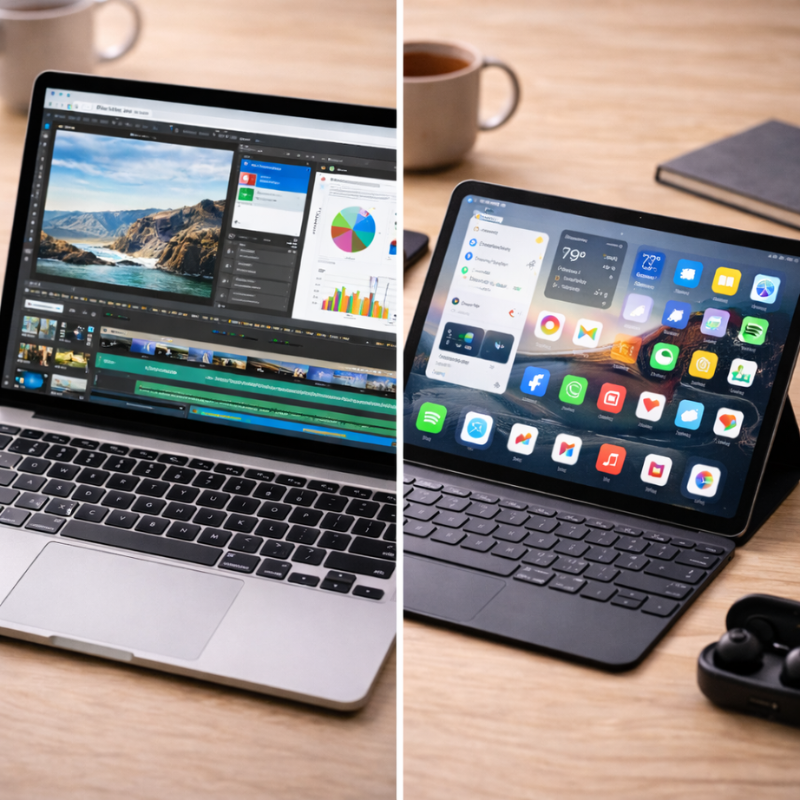
Laptops run full desktop operating systems that support a wide range of professional applications. From advanced editing tools to specialized industry software, laptops offer broader compatibility and fewer limitations.
Tablets focus on mobile apps, which are optimized for touch and simplicity. While many apps are powerful, they may not offer the same depth or flexibility as desktop software. That said, app ecosystems have improved significantly, especially for productivity and creative tasks.
Your software needs should play a major role in your decision.
Entertainment and Media Consumption

When it comes to entertainment, tablets shine. Watching videos, reading eBooks, browsing social media, or playing casual games feels more immersive on a touchscreen device. Tablets are easier to hold, rotate, and use in relaxed settings like the couch or bed.
Laptops are still great for streaming and gaming, especially when paired with larger screens and better speakers. However, they feel more like work devices even during leisure time.
For lifestyle-focused users, tablets offer a more relaxed media experience.
Battery Life and Daily Use
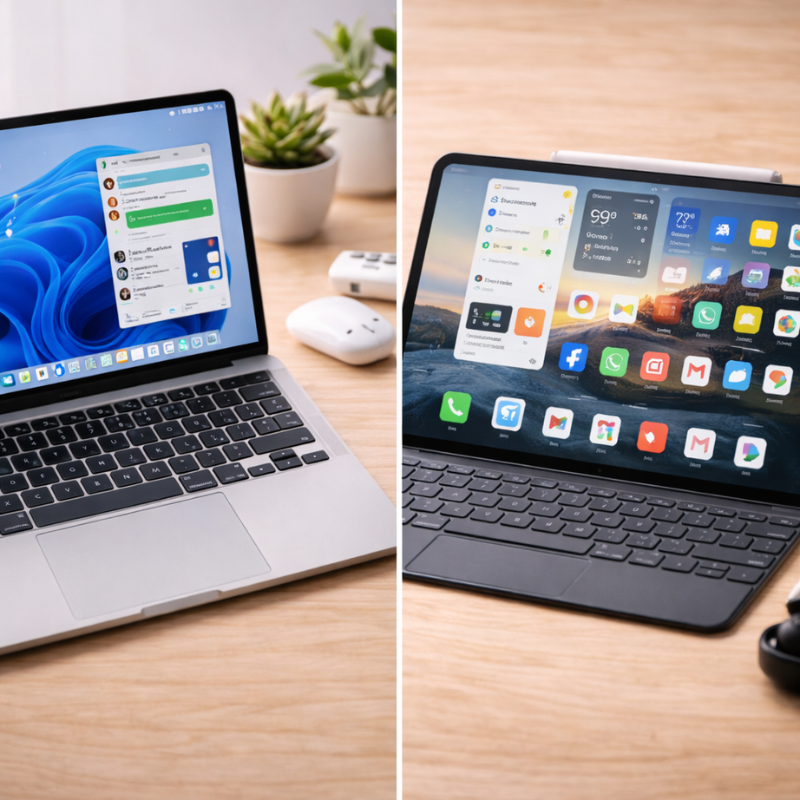
Tablets typically offer longer battery life due to energy-efficient hardware and simplified operating systems. They can last a full day—or more—of mixed use without frequent charging.
Laptops vary widely depending on performance and usage. High-performance laptops may need more frequent charging, while efficiency-focused models can last most of the day.
If battery longevity and quick usage matter most, tablets often have the edge.
Cost and Long-Term Value
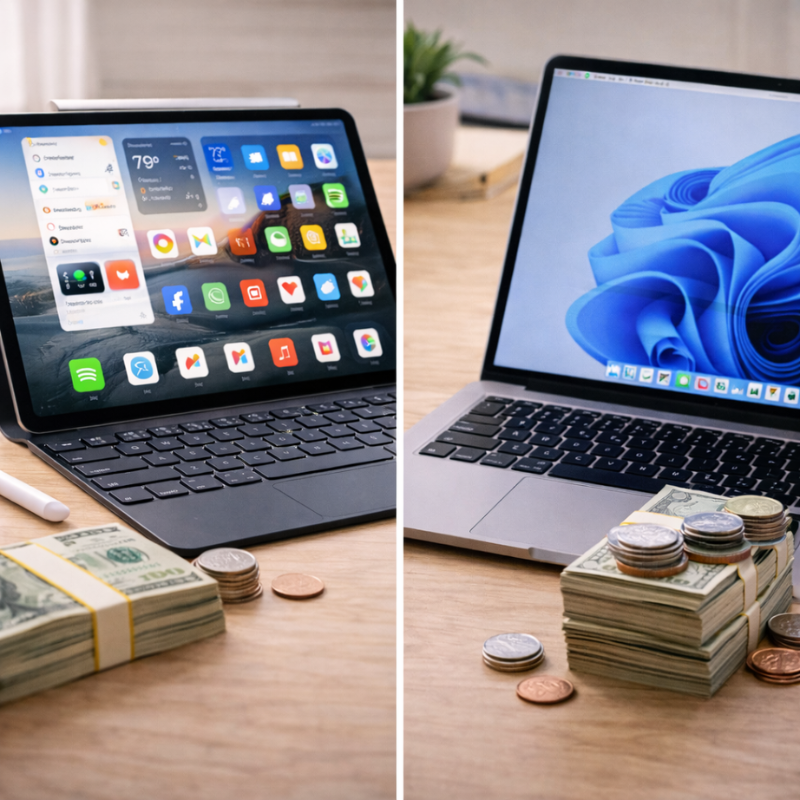
Tablets usually have lower entry prices, making them attractive for budget-conscious users. However, adding keyboards, stylus accessories, and storage upgrades can increase the total cost.
Laptops may cost more upfront, but they often provide better long-term value for work-focused users. Their durability, performance, and software support make them a solid investment for professional needs.
The best value depends on how much you rely on your device for work versus lifestyle activities.
Which One Is Right for You?
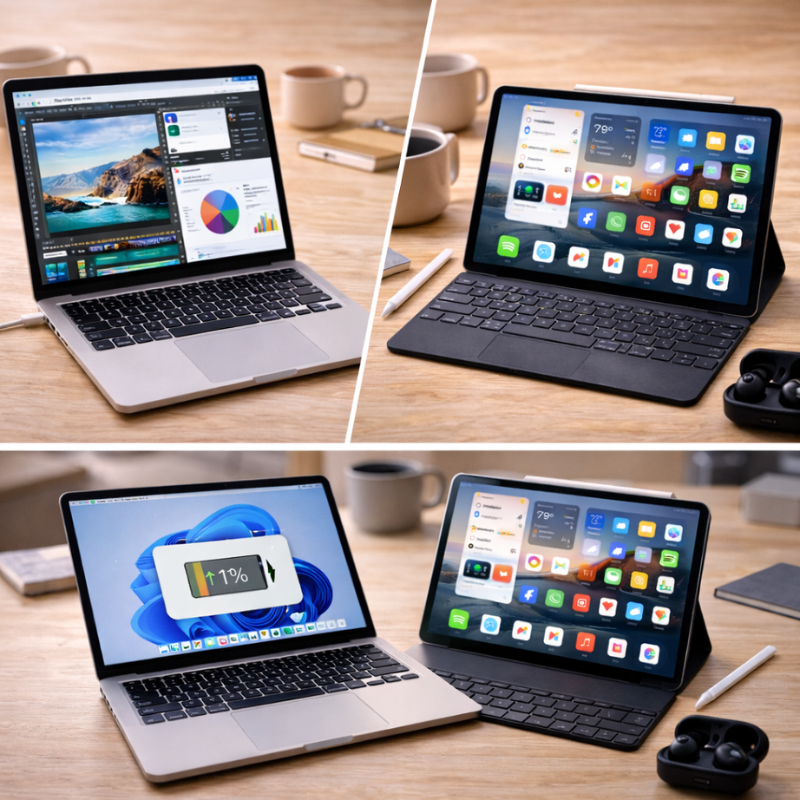
- Choose a laptop if your routine involves heavy work, long typing sessions, advanced software, or multitasking.
- Choose a tablet if you prioritize portability, entertainment, casual productivity, and touch-based interaction.
- Consider a hybrid setup if you want flexibility across work and lifestyle needs.
Final Thoughts
The laptop vs. tablet debate doesn’t have a one-size-fits-all answer. Your ideal device depends on how you balance productivity, mobility, and daily habits. Understanding your priorities makes the decision clearer and more rewarding.
At Your Tech Digest, we believe smart tech choices start with real-world use, not just specs. Exploring how devices fit into your lifestyle can help you invest in technology that genuinely supports how you work and live.