







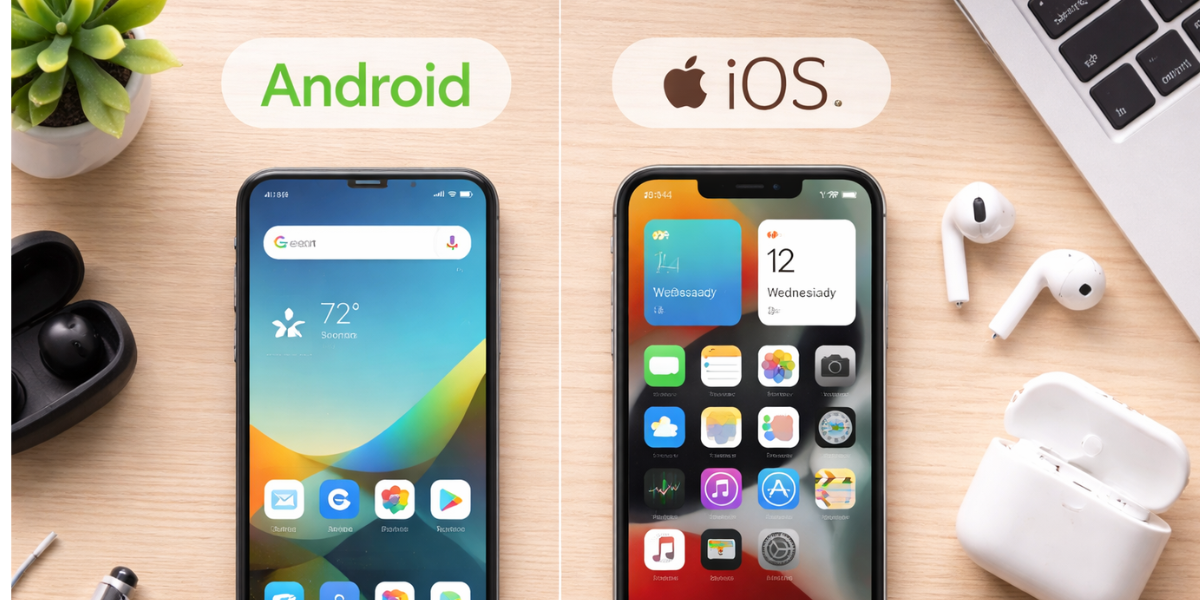

Choosing a smartphone today is no longer just about the hardware. For most people, the real decision comes down to the operating system. Android and iOS dominate the global mobile market, and both offer polished experiences—but they serve everyday users in slightly different ways.
If you use your phone for messaging, social media, work apps, photography, entertainment, and occasional gaming, the choice between Android and iOS can directly impact your daily convenience. Let’s break down how these two mobile operating systems compare for everyday use, without getting lost in technical jargon.
Ease of Use and User Experience
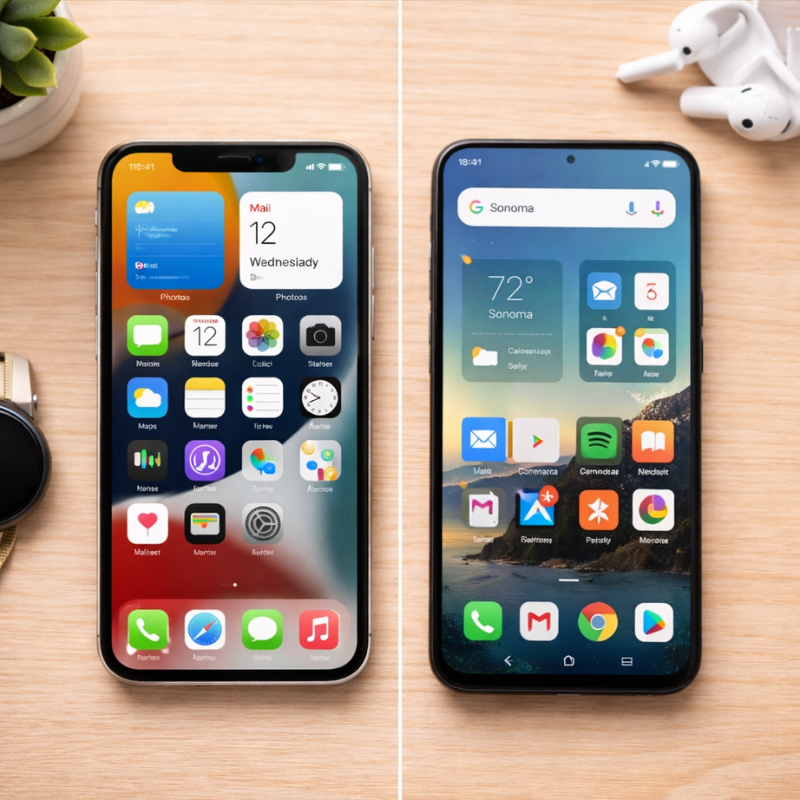
For many users, simplicity matters. iOS is widely praised for its clean interface and consistent design across devices. Apple focuses on making things intuitive—apps behave similarly, menus are predictable, and updates feel familiar even after major changes. For users who want a phone that “just works” with minimal setup, iOS often feels comfortable from day one.
Android, on the other hand, offers more flexibility. While modern Android versions have become increasingly user-friendly, they still allow deeper customization. From changing home screen layouts to installing custom launchers, Android gives users control over how their phone looks and behaves. This flexibility appeals to people who like tailoring their device to personal preferences.
For everyday users, the choice here often comes down to whether you prefer simplicity or customization.
App Availability and Quality
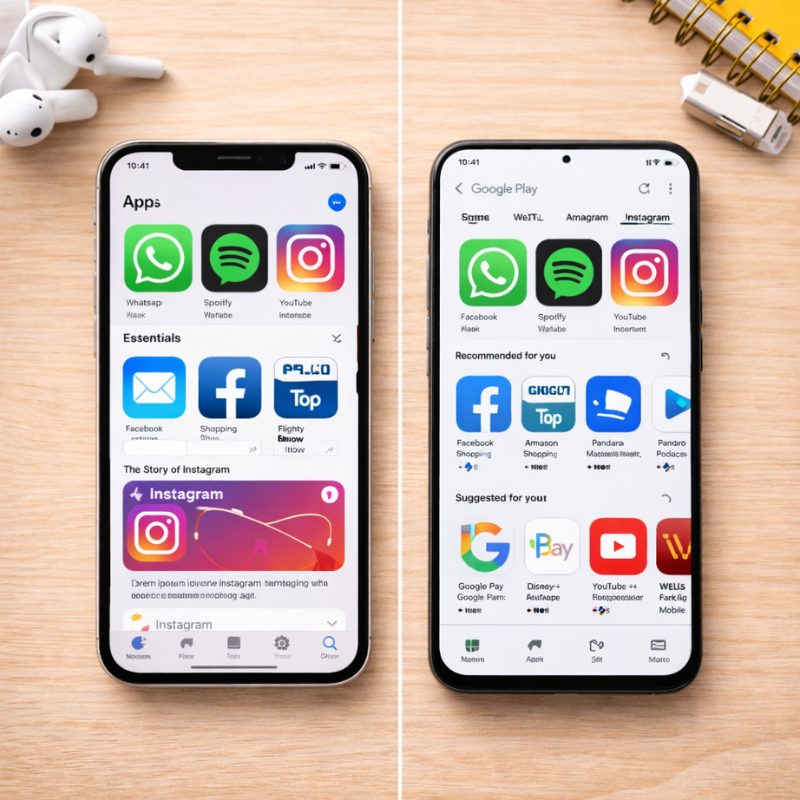
Both Android and iOS offer millions of apps through their respective app stores. Popular apps like WhatsApp, Instagram, YouTube, Spotify, and banking apps are equally available on both platforms.
However, iOS apps sometimes receive new features slightly earlier, and developers often prioritize Apple devices due to fewer hardware variations. This can result in more consistent app performance on iPhones.
Android excels in app variety and openness. Users can install apps from multiple sources, not just the Google Play Store. While this flexibility can be useful, it also requires users to be more mindful of app security.
For most everyday users, app availability won’t be a deciding factor—but app polish and consistency might.
Customization vs. Control
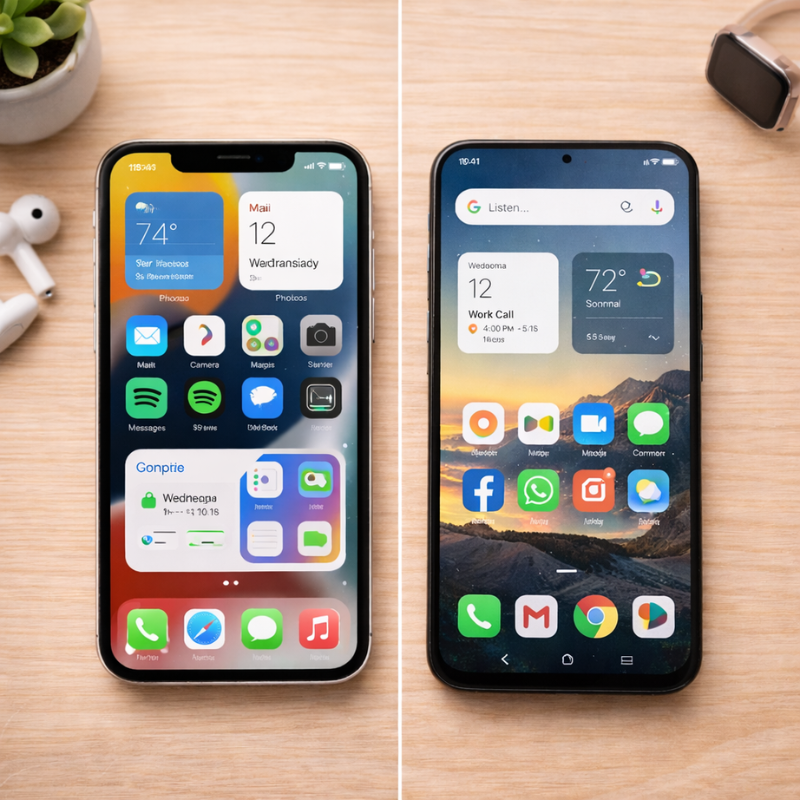
Customization is one of Android’s strongest advantages. You can adjust widgets, themes, icon packs, and default apps with ease. Want a different messaging app or browser as default? Android makes it simple.
iOS offers customization too, but within limits. Apple has introduced widgets and visual tweaks in recent years, yet the system remains more controlled. This controlled environment helps maintain stability and security, which many users appreciate.
If you enjoy tweaking your phone and making it uniquely yours, Android stands out. If you prefer a refined, controlled experience, iOS may feel more comfortable.
Performance and Smoothness
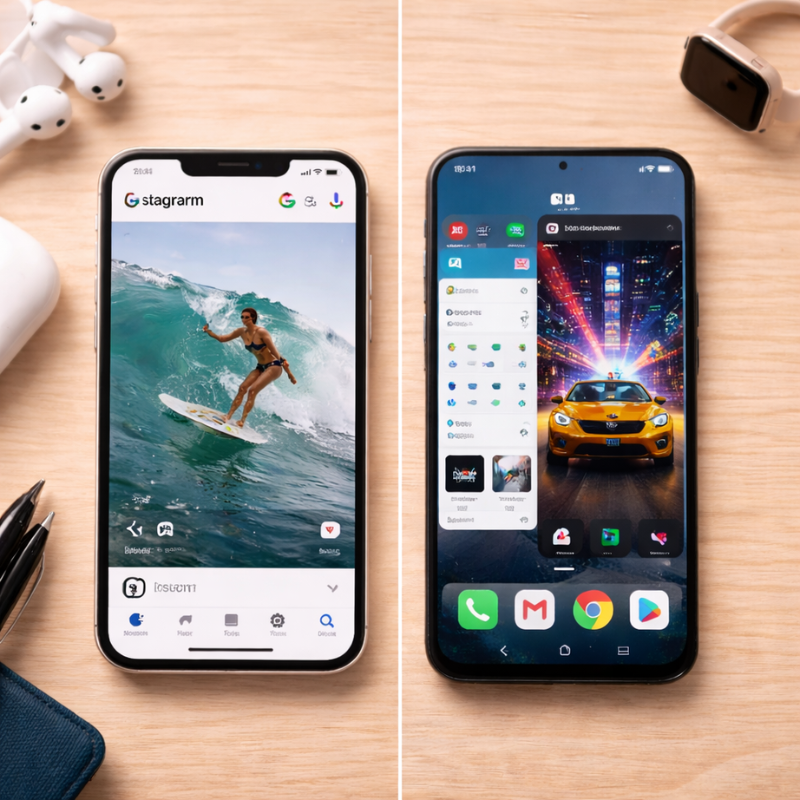
In everyday tasks—scrolling social media, watching videos, switching apps—both operating systems perform smoothly on modern devices. iOS is known for its tight hardware-software integration, which helps iPhones feel responsive even after years of use.
Android performance varies depending on the brand and price range. High-end Android phones rival or exceed iPhones in speed, while budget devices may show limitations over time. That said, Android offers a wider range of price options, making smartphones accessible at nearly every budget level.
For everyday users, performance depends as much on the device as the operating system itself.
Security and Privacy
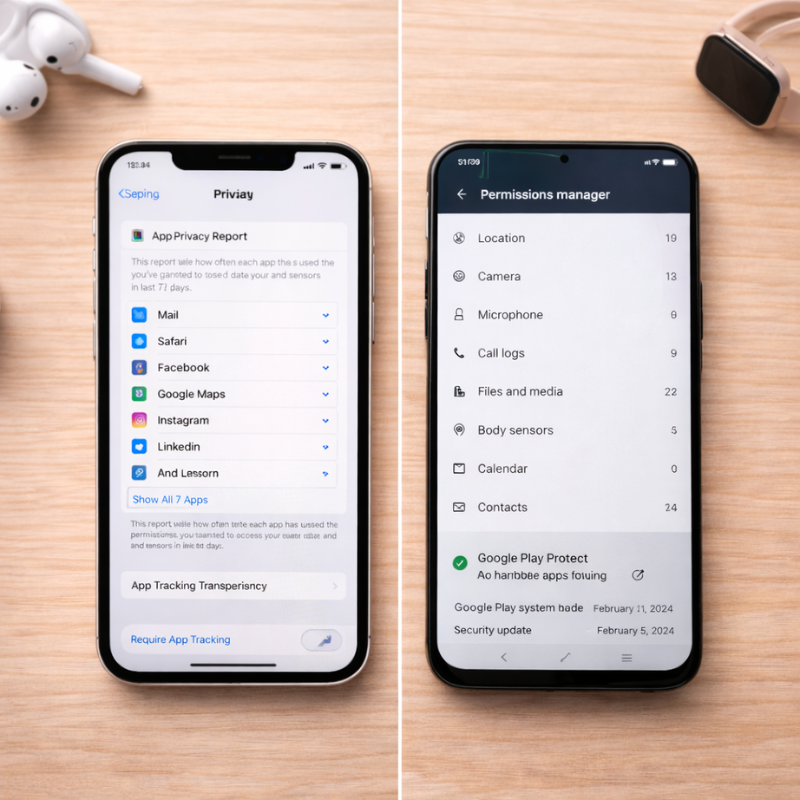
Apple places strong emphasis on privacy. Features like app tracking transparency and strict app permissions give users more control over personal data. iOS updates are released simultaneously across supported devices, ensuring timely security patches.
Android has made major improvements in security over the years, offering granular permission controls and built-in malware protection. However, update delivery depends on manufacturers, which can delay security updates on some devices.
Users who prioritize privacy and long-term security updates often lean toward iOS, while Android users benefit from increased transparency and control if they choose reputable brands.
Ecosystem and Device Compatibility
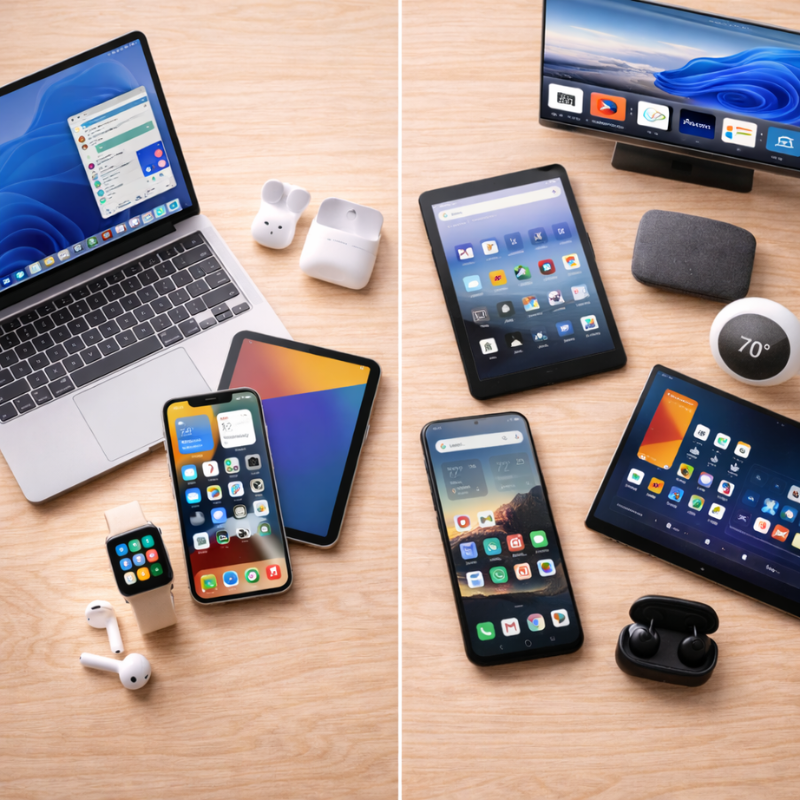
One of iOS’s biggest strengths is its ecosystem. iPhones work seamlessly with MacBooks, iPads, Apple Watches, and AirPods. Features like AirDrop, iMessage, and device syncing create a smooth experience for users invested in Apple products.
Android offers broader compatibility. It works across devices from many manufacturers and integrates well with Windows PCs, smart TVs, wearables, and smart home devices. Google services make cross-device syncing easy, especially for users who rely on cloud-based tools.
If you already own other Apple devices, iOS feels like a natural fit. If you use a mix of brands and platforms, Android may offer greater flexibility.
Cost and Value for Everyday Users
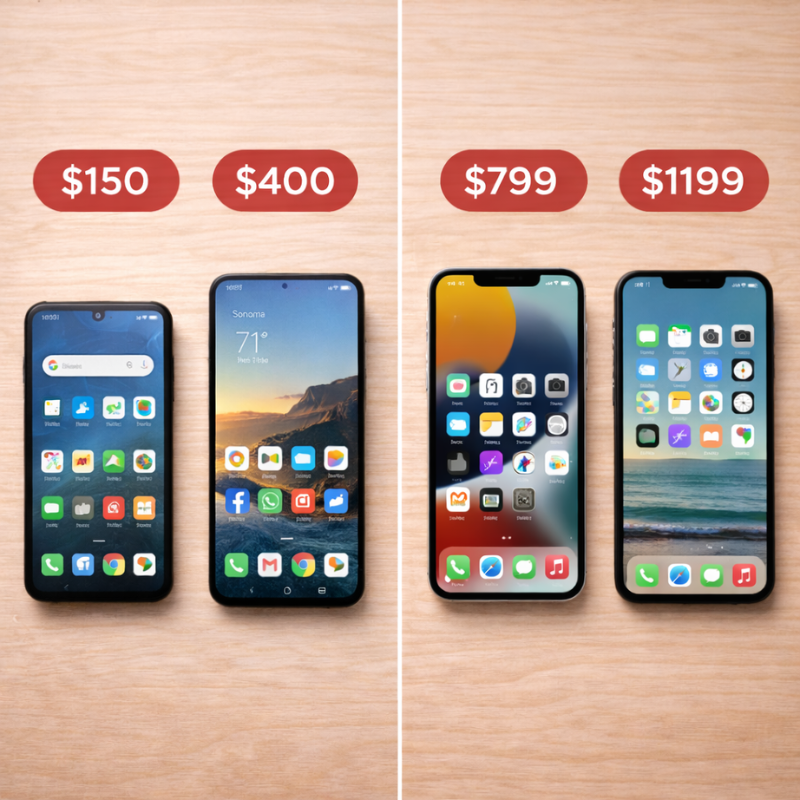
Android phones are available across all price segments, from affordable budget models to premium flagships. This makes Android an attractive option for cost-conscious users who still want modern features.
iPhones generally sit at higher price points, but they also hold resale value better and receive software updates for many years. Over time, this can offset the initial cost for some users.
For everyday users, Android offers more choice upfront, while iOS focuses on long-term value.
Final Verdict: Which Mobile OS Is Better?
There is no universal winner in the Android vs. iOS debate. For everyday users, the better mobile OS depends on lifestyle, preferences, and priorities.
- Choose iOS if you value simplicity, privacy, long-term updates, and a tightly integrated ecosystem.
- Choose Android if you want flexibility, customization, wider device choices, and more budget-friendly options.
Both platforms are mature, reliable, and capable of handling daily tasks with ease. The best choice is the one that fits seamlessly into your routine.
At Your Tech Digest, we believe informed decisions lead to better tech experiences. If you’re comparing devices or planning your next upgrade, exploring real-world use cases like this can help you choose a smartphone that truly fits your everyday life.