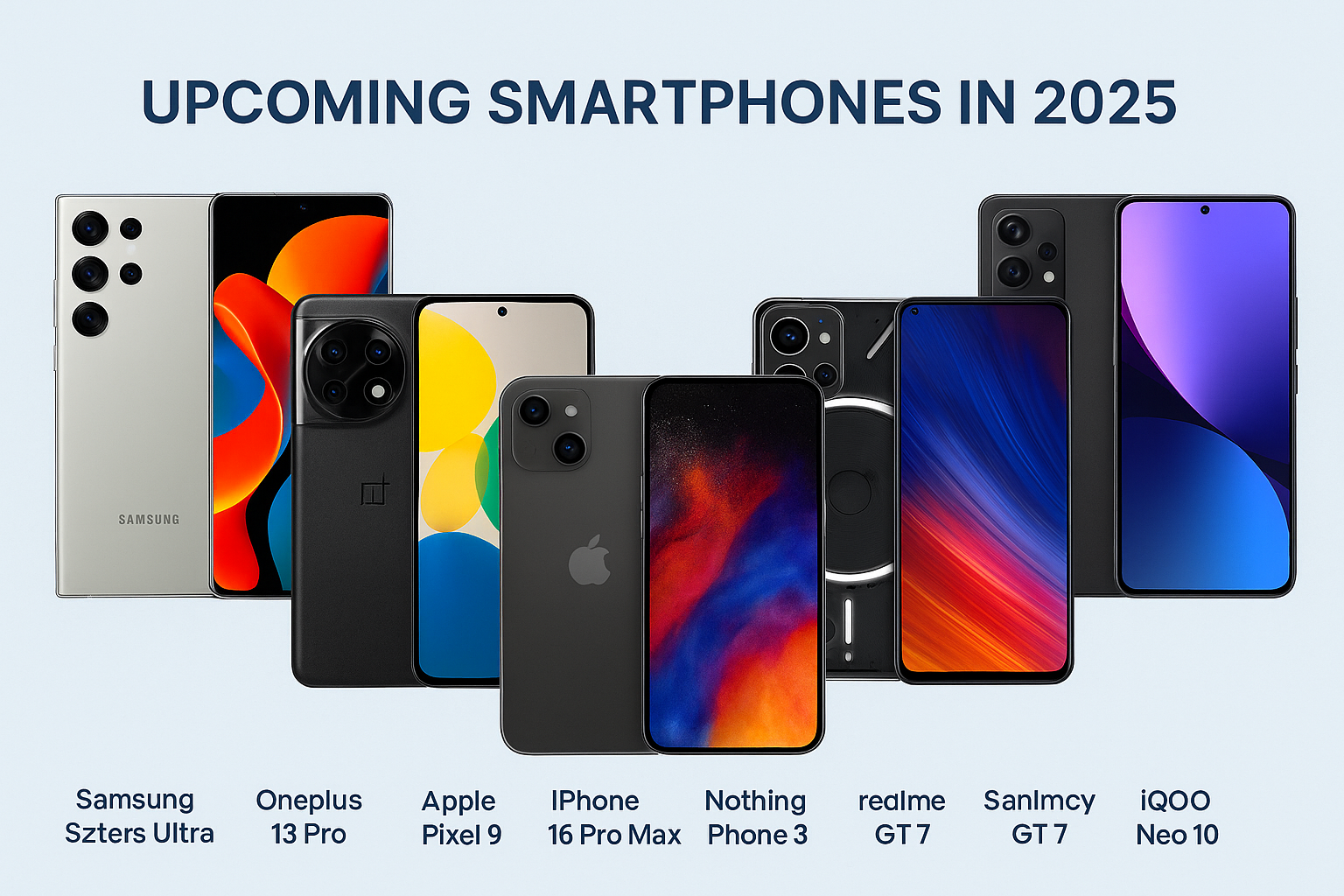









Buying a smartphone today can feel overwhelming. With hundreds of models, constant launches, and spec sheets packed with technical jargon, it’s easy to lose sight of what actually matters. The truth is, the right smartphone isn’t defined by the highest price or the newest feature—it’s the one that fits your lifestyle, habits, and expectations.
This smartphone buying guide breaks down the key factors you should consider before making a decision, helping you choose a device that feels right not just on day one, but long after the excitement of unboxing fades.
Start With How You Use Your Phone

Before comparing brands or specifications, think about how you actually use your smartphone. Is it mainly for messaging, browsing, and social media? Do you rely on it for photography, gaming, or work? Are you constantly on the move, or mostly connected to Wi-Fi?
Understanding your usage patterns makes it easier to filter out features you don’t need and focus on the ones that matter most. A heavy gamer will prioritize performance and cooling, while a casual user may value battery life and simplicity over raw power.
Performance That Matches Everyday Needs

Modern smartphones are powerful, but not all users need flagship-level performance. Most mid-range devices today handle everyday tasks smoothly, from streaming and multitasking to navigation and productivity apps.
If you plan to game, edit photos or videos, or keep your phone for several years, opting for a faster processor and ample RAM makes sense. However, real-world responsiveness is more important than benchmark numbers. Look for consistent performance that stays smooth over time rather than peak speeds you’ll rarely notice.

Display Quality and Comfort
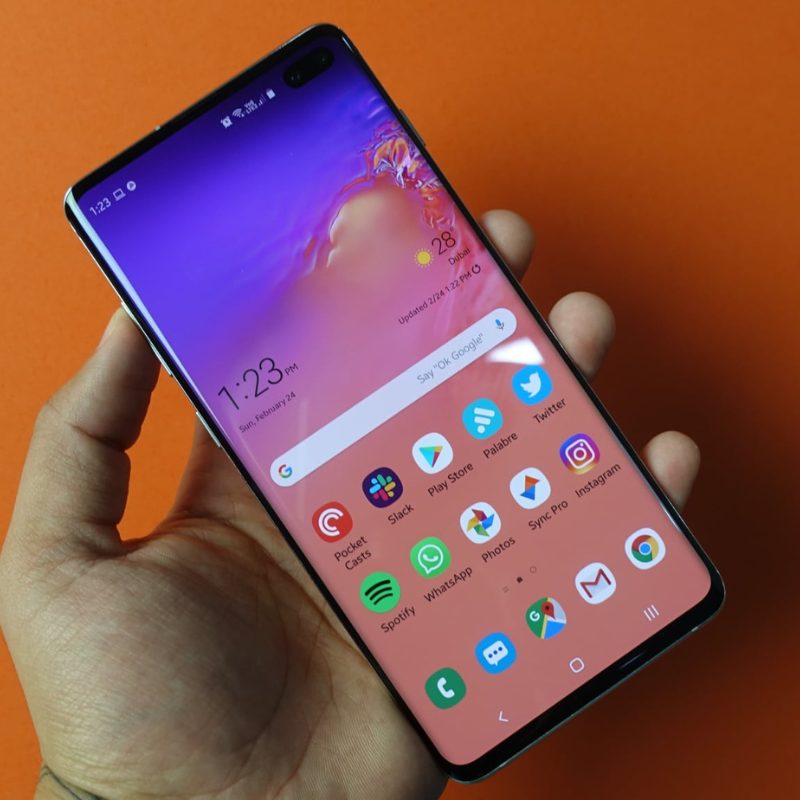
Your smartphone display is something you interact with constantly, so comfort matters as much as resolution. High refresh rates make scrolling feel smoother, while good brightness ensures visibility outdoors. But equally important are color accuracy and eye comfort during long usage sessions.
Consider screen size carefully. Larger displays are great for media and productivity but may feel cumbersome for one-handed use. The right display should suit how you hold, use, and view your phone throughout the day.
Camera Performance That Fits Your Style

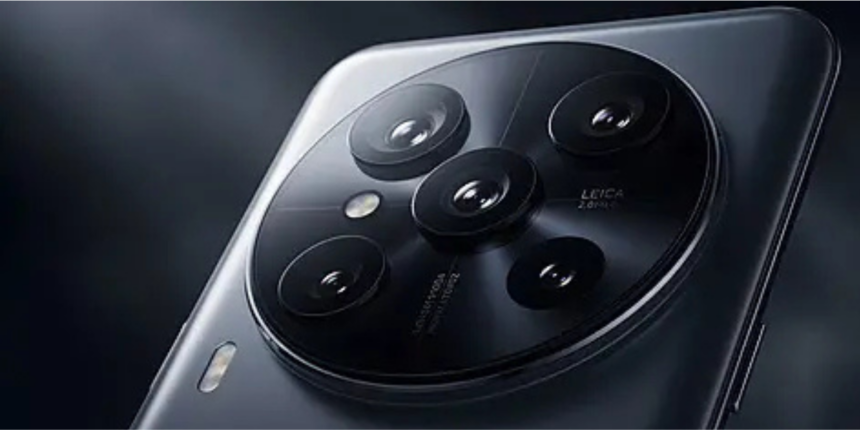
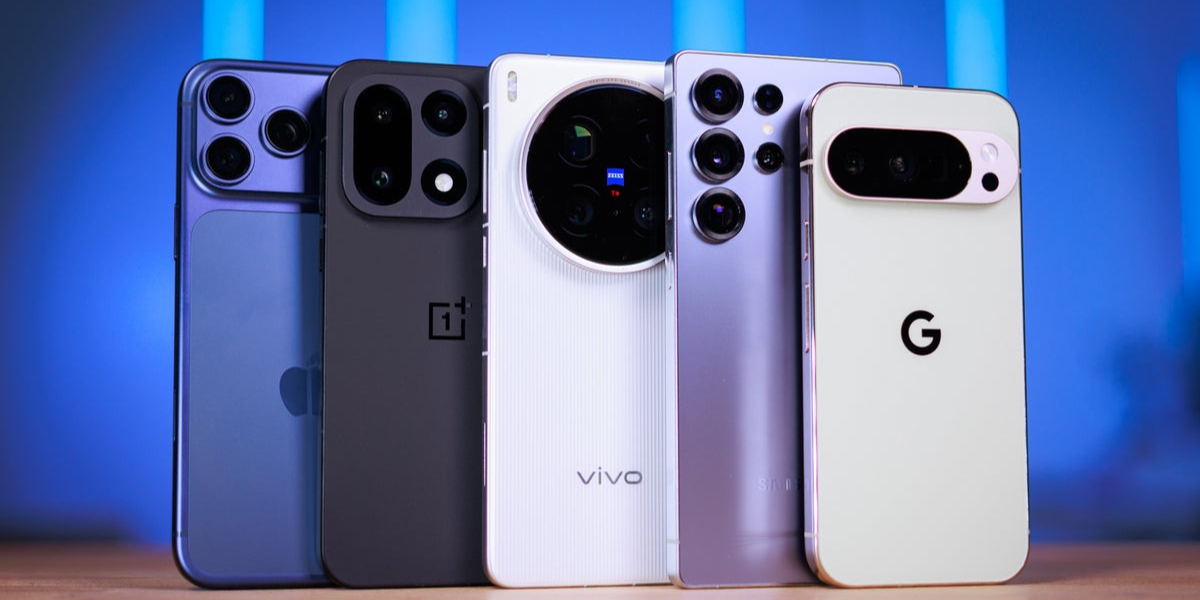
Smartphone cameras have improved dramatically, but the best camera isn’t always the one with the most lenses or highest megapixels. Instead, consistency matters—sharp photos, natural colors, and reliable performance across different lighting conditions.
If photography is important to you, pay attention to features like stabilization, low-light performance, and video quality. For everyday users, a dependable camera that works well without constant tweaking is often more valuable than advanced manual controls.
Battery Life and Charging Convenience
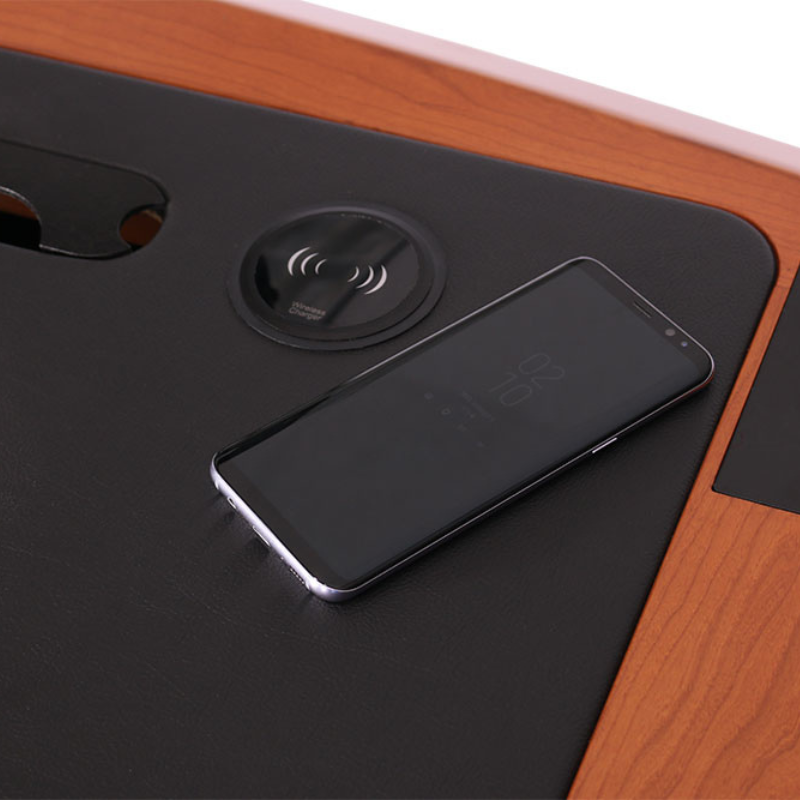
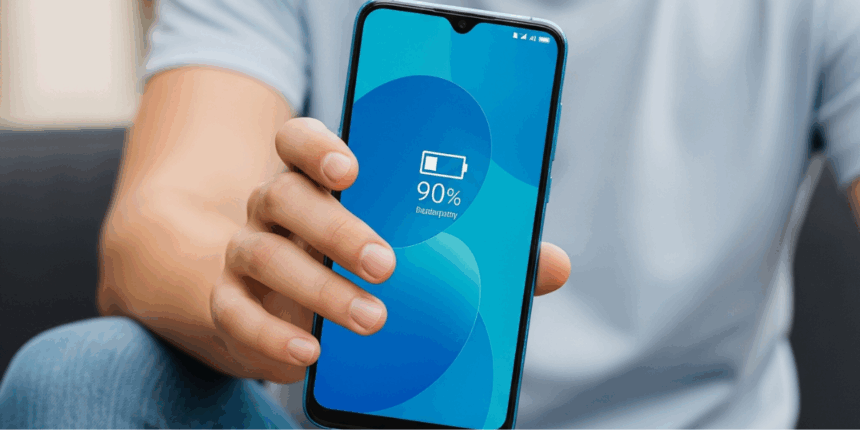
Battery anxiety remains one of the biggest frustrations for smartphone users. When choosing a device, look beyond battery capacity and focus on efficiency. Software optimization, adaptive refresh rates, and intelligent power management all play a role in real-world endurance.
A good smartphone should comfortably last a full day under your typical usage. Fast charging can be a major advantage, especially for busy lifestyles, but it shouldn’t come at the cost of long-term battery health. Reliable battery life matters more than impressive charging speeds alone.
Software Experience and Long-Term Support
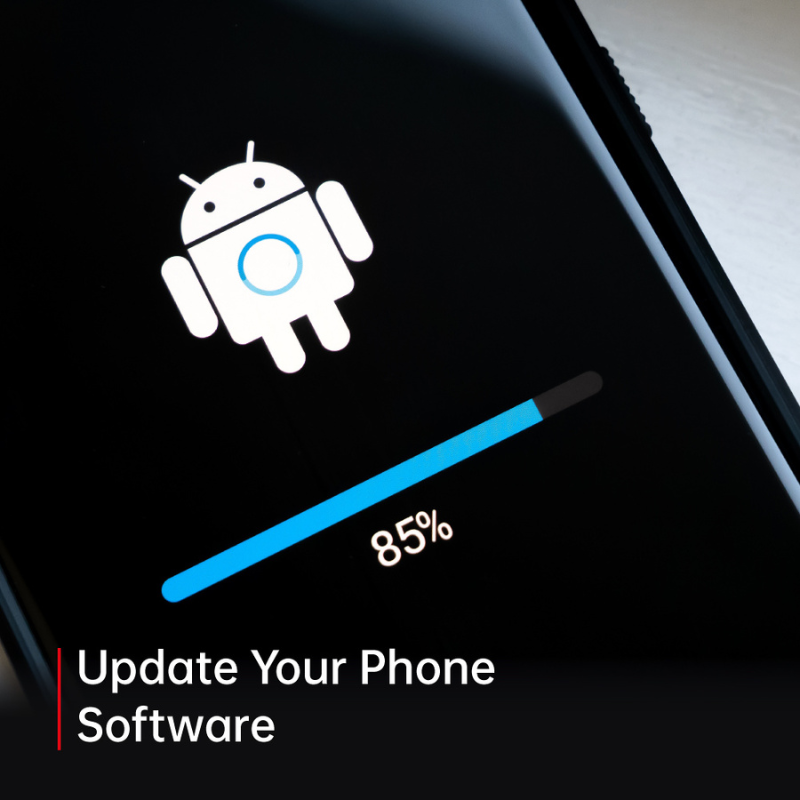
Hardware gets the attention, but software defines how a smartphone feels over time. A clean, intuitive interface with minimal bloatware makes daily use more enjoyable and efficient.
Equally important is long-term software support. Regular updates improve security, introduce new features, and extend the usable life of your device. When comparing smartphones, consider how long the manufacturer commits to updates—this often determines whether your phone feels modern or outdated after a few years.
Design, Build Quality, and Ergonomics

Smartphone design today is more refined than ever, but comfort and durability still matter. Premium materials may look impressive, but they should also feel good in hand and hold up to daily use.
Consider factors like weight, grip, button placement, and resistance to water or dust. A phone you enjoy holding and using every day will always feel like a better purchase than one chosen purely for its appearance.
Connectivity and Ecosystem Compatibility
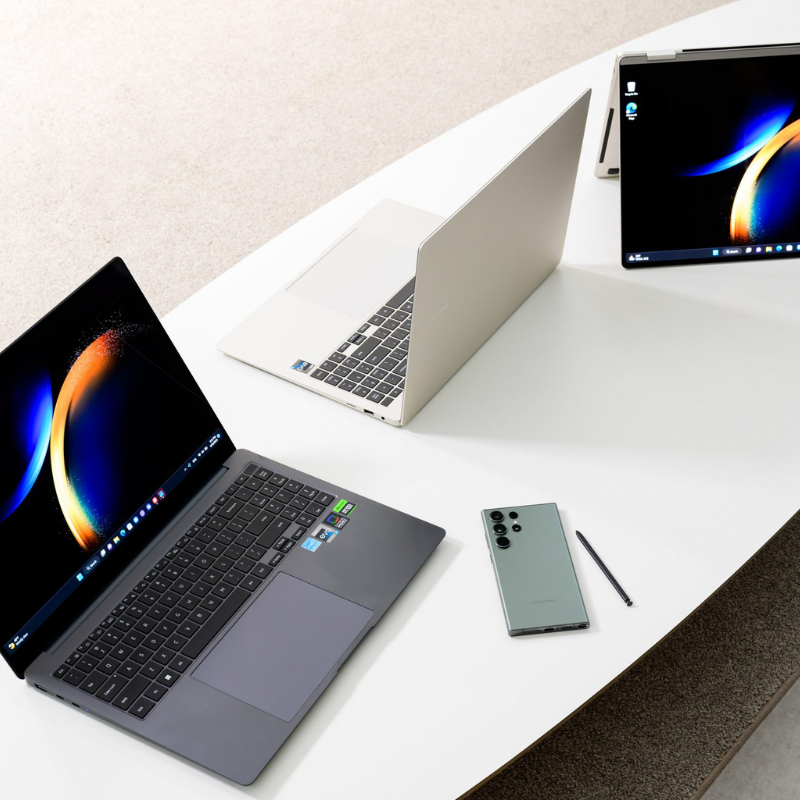
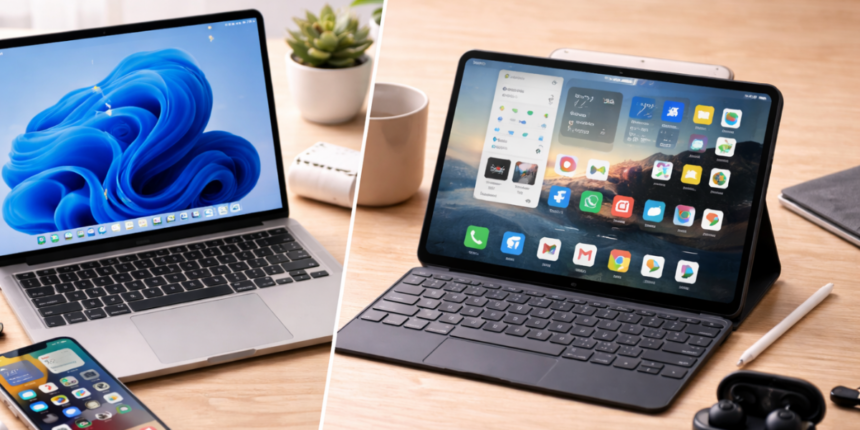
Modern smartphones are part of larger ecosystems. Seamless connectivity with laptops, tablets, wearables, and smart home devices can significantly enhance convenience.
Support for current network standards, stable Bluetooth connections, and future-ready features ensures your phone won’t feel outdated too quickly. If you already use devices from a particular ecosystem, choosing a compatible smartphone can simplify everyday interactions.
Budget vs Value

Price doesn’t always reflect value. Many mid-range smartphones now offer excellent displays, strong performance, and reliable cameras at a fraction of flagship prices. The key is identifying where compromises are acceptable for you.
Rather than chasing the most expensive model, focus on long-term satisfaction. A slightly cheaper phone that meets your needs comfortably can often be a smarter choice than an overpowered device you won’t fully use.
Final Thoughts
Choosing the right smartphone today is about clarity, not complexity. By focusing on how you use your device and prioritizing features that genuinely enhance daily life, you can avoid unnecessary upgrades and make a confident decision.
If you enjoy exploring how technology shapes modern living and want practical insights that cut through the noise, keep discovering more guides and perspectives at Your Tech Digest—where smart choices start with informed thinking.