









For SaaS startups, growth is not just about acquiring users—it’s about sustaining performance, reliability, and innovation as demand increases. Behind every successful SaaS product is a strong technical foundation, and today, that foundation is almost always cloud infrastructure. What was once a cost-saving option has now become a strategic necessity for startups aiming to scale efficiently and compete in fast-moving markets.
Cloud infrastructure enables SaaS companies to grow smarter, faster, and more securely. Here’s why it plays such a critical role in SaaS startup growth.
Built for Scalability from Day One
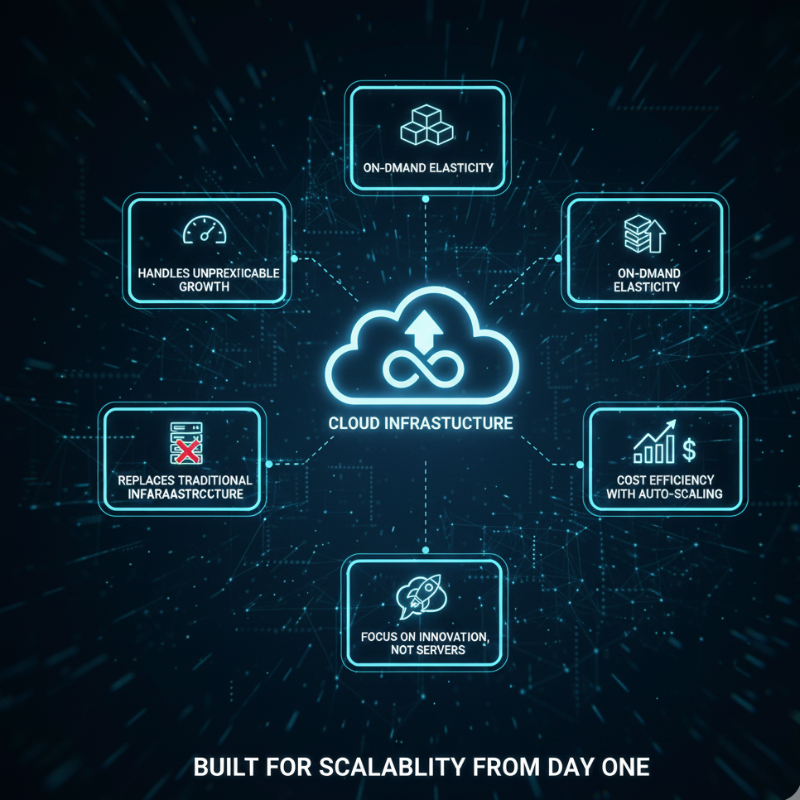
One of the biggest challenges for SaaS startups is handling unpredictable growth. User numbers can spike suddenly due to marketing campaigns, partnerships, or viral traction. Traditional on-premise infrastructure struggles with this unpredictability, often requiring expensive upgrades and long planning cycles.
Cloud infrastructure solves this problem by offering on-demand scalability. Startups can increase or decrease computing resources automatically based on usage. This ensures consistent performance during peak demand while avoiding unnecessary costs during quieter periods. Scalability allows SaaS founders to focus on growth strategies instead of worrying about server limitations.
Faster Time to Market
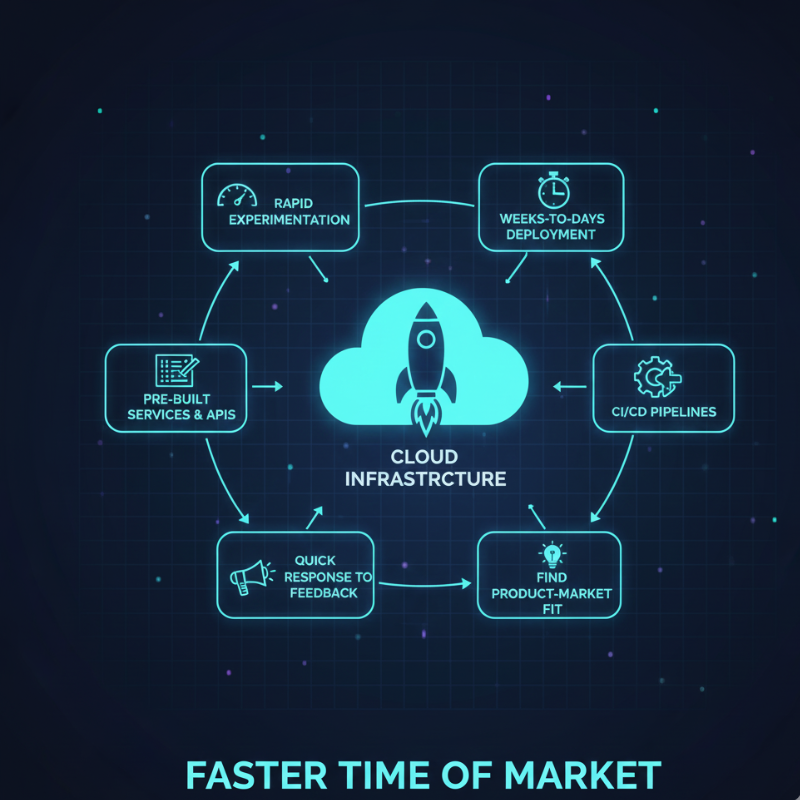
Speed is a major competitive advantage for SaaS startups. Cloud infrastructure allows teams to build, test, and deploy applications far more quickly than traditional systems. With pre-built services, APIs, and managed platforms, developers can launch features and updates in weeks—or even days—rather than months.
This agility is especially important in early-stage startups, where rapid experimentation and iteration are key to finding product-market fit. Cloud environments support continuous integration and deployment, enabling teams to respond quickly to user feedback and changing market needs.



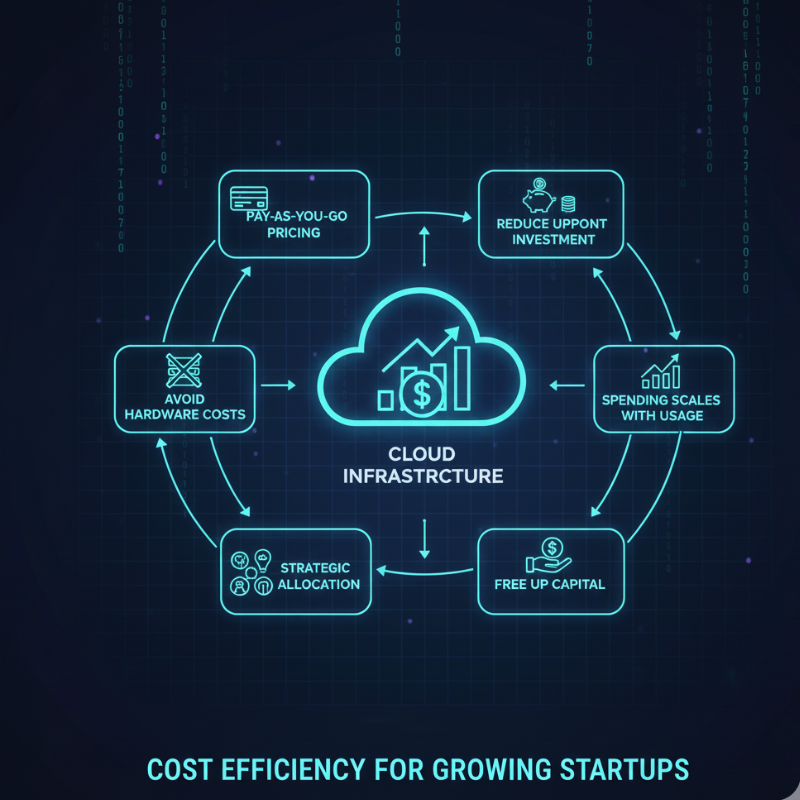
Cost Efficiency for Growing Startups
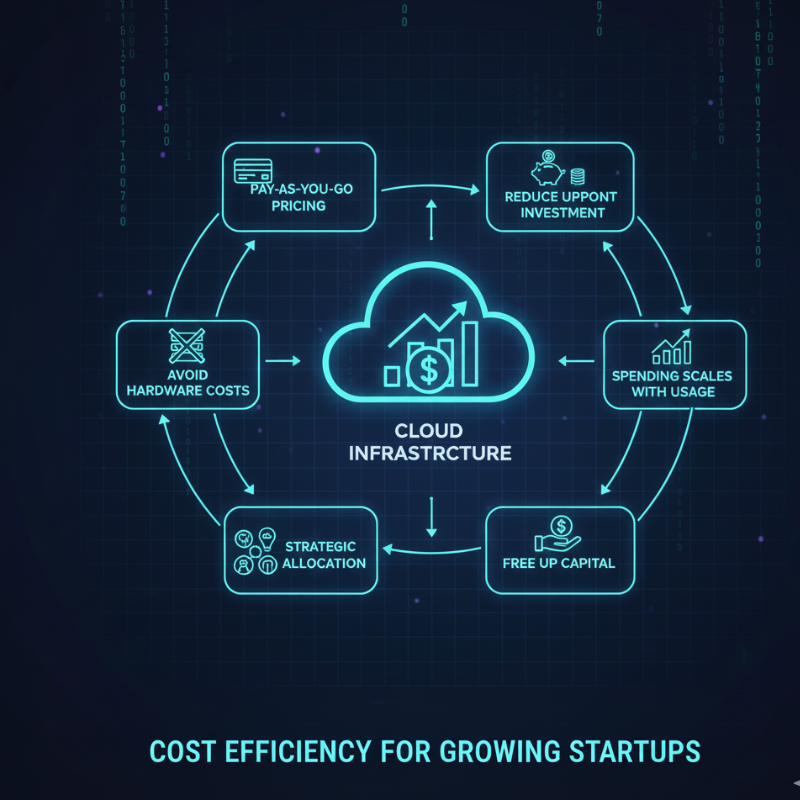
Budget constraints are a reality for most SaaS startups. Cloud infrastructure offers a pay-as-you-go pricing model, which helps control costs during early growth stages. Instead of investing heavily in hardware and maintenance upfront, startups pay only for the resources they use.
This flexible cost structure allows startups to allocate capital more strategically—toward product development, marketing, or customer acquisition. As the business grows, cloud infrastructure scales alongside it, ensuring spending remains aligned with actual usage and revenue.
Reliability and Performance at Scale
Customer expectations for SaaS products are higher than ever. Downtime, slow performance, or service disruptions can quickly damage trust and retention. Cloud infrastructure provides built-in reliability through global data centers, redundancy, and automated failover systems.
Most cloud platforms offer high uptime guarantees and performance optimization tools that would be difficult and costly for startups to implement independently. This reliability helps SaaS startups deliver consistent user experiences, even as their customer base expands across regions.
Enhanced Security and Compliance
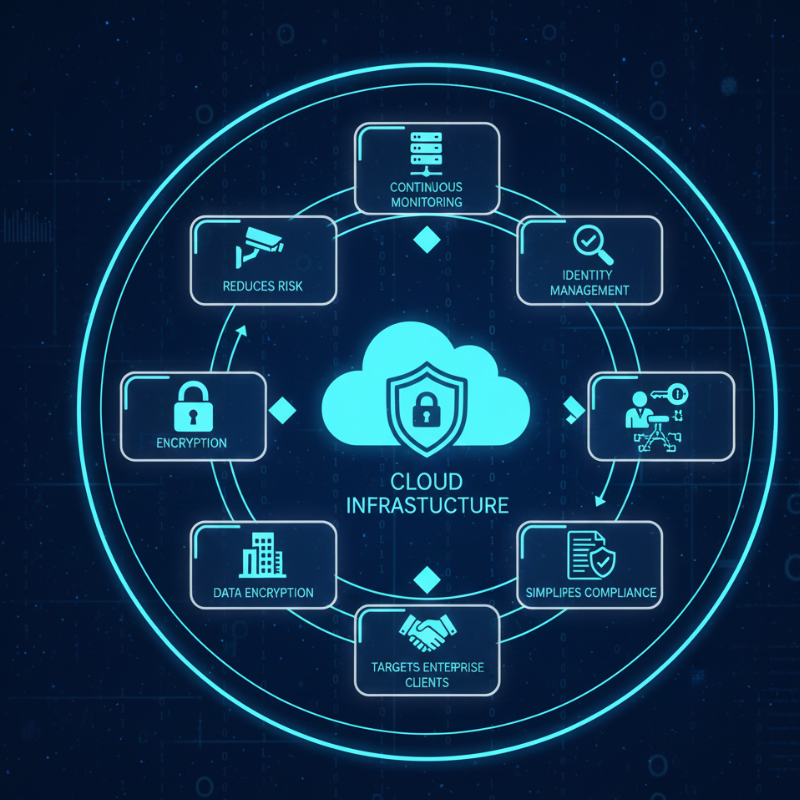
Security is a top concern for SaaS startups, especially those handling sensitive customer data. Cloud infrastructure providers invest heavily in advanced security measures, including encryption, identity management, and continuous monitoring.
While startups are still responsible for application-level security, cloud platforms provide a strong baseline that reduces risk and simplifies compliance with industry standards. This is particularly valuable for startups targeting enterprise customers, where security and data protection are non-negotiable requirements.
Global Reach Without Complexity

Cloud infrastructure makes it easier for SaaS startups to operate globally. With data centers distributed across regions, startups can deploy applications closer to users, reducing latency and improving performance.
This global reach allows startups to expand into new markets without building physical infrastructure or managing complex server setups. For SaaS companies with international ambitions, cloud platforms remove many of the traditional barriers to global growth.
Supporting Innovation with Advanced Tools
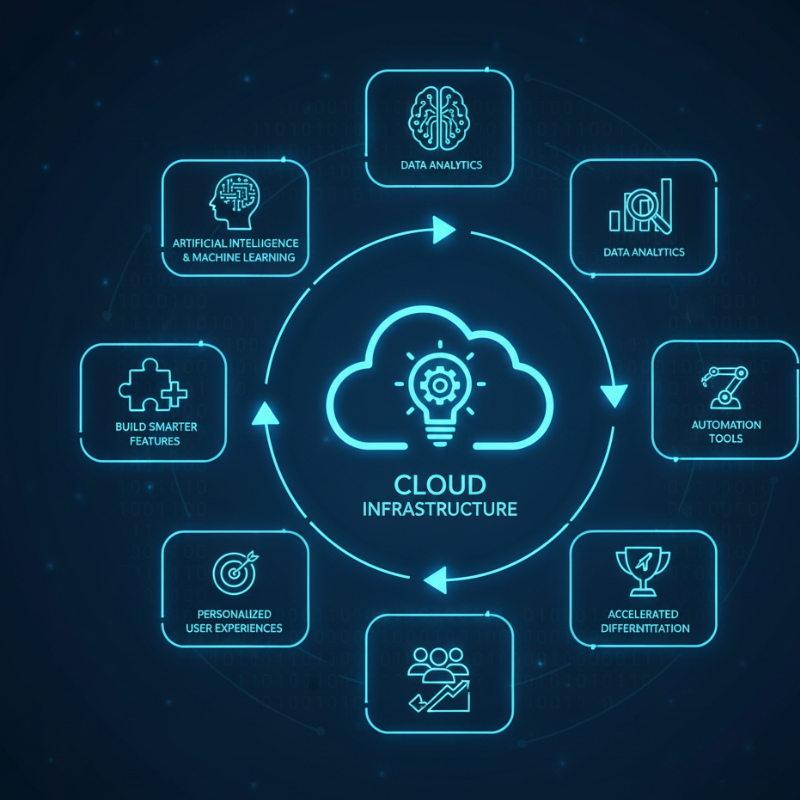
Modern cloud infrastructure goes beyond basic hosting. It offers access to advanced technologies such as artificial intelligence, machine learning, data analytics, and automation tools. These capabilities enable SaaS startups to build smarter features, personalize user experiences, and gain deeper insights into customer behavior.
By leveraging cloud-native services, startups can innovate faster without building everything from scratch. This accelerates differentiation and helps SaaS products stand out in competitive markets.
Enabling Team Collaboration and Remote Work
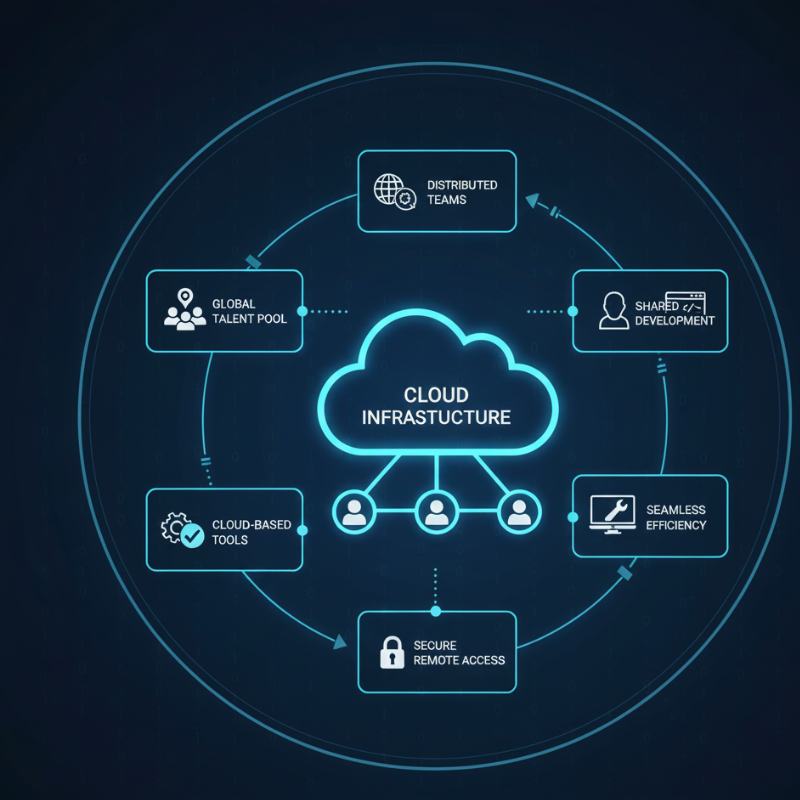
SaaS startups often operate with distributed teams. Cloud infrastructure supports remote collaboration by providing shared development environments, cloud-based tools, and secure access from anywhere.
This flexibility allows startups to hire talent globally and maintain productivity regardless of location. As remote and hybrid work models become more common, cloud infrastructure ensures teams can collaborate seamlessly and efficiently.
Future-Proofing SaaS Growth

Perhaps the most important benefit of cloud infrastructure is its ability to future-proof SaaS startups. As technologies evolve and customer expectations change, cloud platforms continue to introduce new services and improvements.
By building on cloud infrastructure, startups can adapt more easily to emerging trends, regulatory changes, and market demands. This adaptability reduces long-term risk and positions SaaS businesses for sustainable growth.
Final Thoughts
Cloud infrastructure is no longer just a technical choice—it’s a strategic foundation for SaaS startup growth. From scalability and cost efficiency to security and innovation, the cloud empowers startups to grow without being held back by infrastructure limitations.
For SaaS founders looking to build resilient, high-performing products, investing in the right cloud infrastructure early can make a lasting difference. As your product evolves and your user base expands, the cloud provides the flexibility and strength needed to support every stage of growth.
If you’re building a SaaS platform or planning your next phase of expansion, understanding how cloud infrastructure aligns with your growth goals is a smart place to start.