






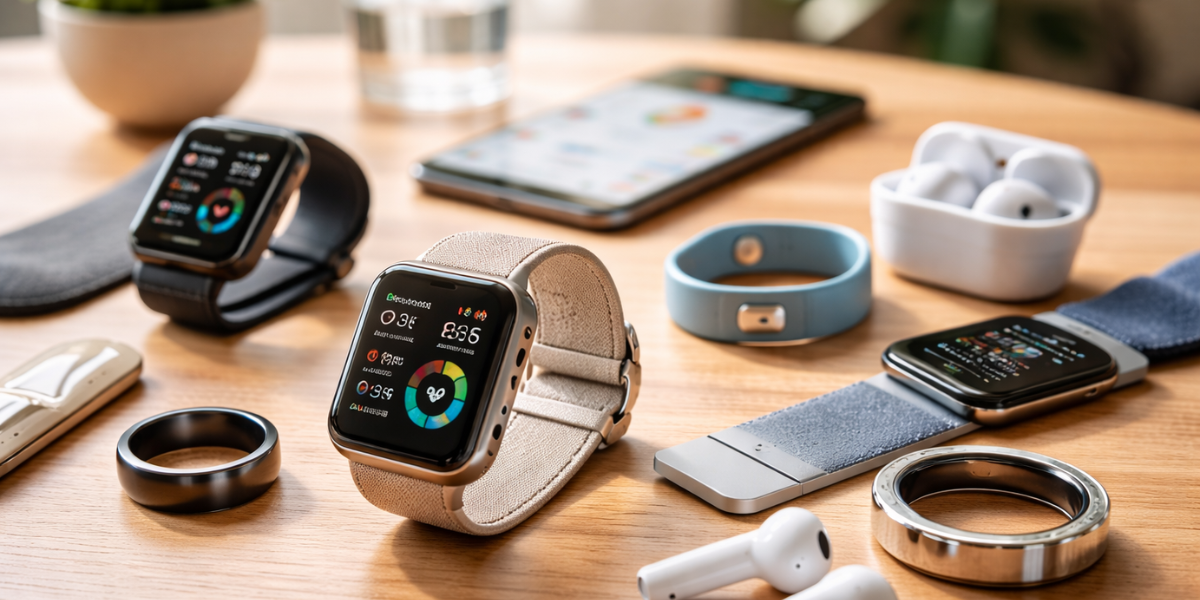

Wearable technology has moved far beyond simple step counters and notification alerts. Today, wearables are becoming intelligent companions that support health, productivity, and everyday decision-making. From smartwatches and fitness bands to smart rings and AI-powered health monitors, wearable devices are playing a key role in shaping what we now call smart living.
As technology continues to evolve, wearable devices are becoming more accurate, more personalized, and more deeply integrated into our daily routines. Let’s explore the top wearable technology trends that are redefining how we live, move, and stay connected.
Advanced Health Monitoring Is Becoming the Norm

One of the most significant trends in wearable technology is the rapid advancement of health monitoring features. Modern wearables are no longer limited to tracking steps or calories; they now monitor heart rate variability, blood oxygen levels, sleep quality, stress levels, and even early signs of irregular heart rhythms.
Health-focused wearables are increasingly used for preventive care. By collecting real-time data, these devices help users identify patterns and make informed lifestyle changes before issues escalate. For many people, wearables are becoming an everyday wellness tool rather than a fitness accessory.
As sensors become more accurate, wearable health technology is also gaining attention from healthcare professionals, opening the door for remote monitoring and data-driven medical insights.
Smartwatches Are Becoming Lifestyle Hubs
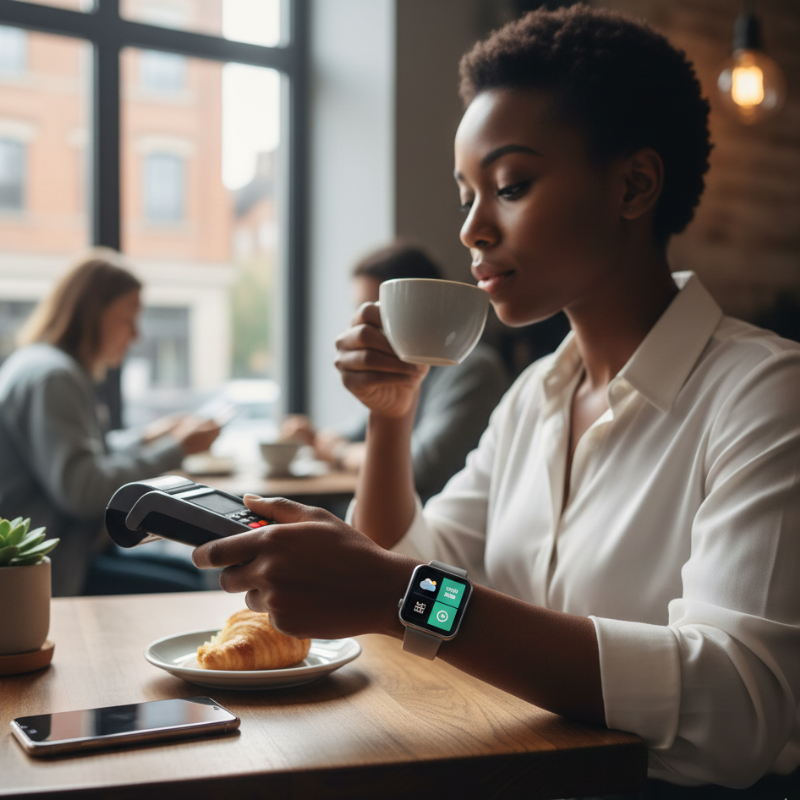
Smartwatches have evolved into all-in-one lifestyle devices. Beyond fitness tracking, they now support mobile payments, navigation, voice assistants, smart home control, and app-based productivity tools.
This shift has positioned smartwatches as extensions of smartphones rather than simple companions. Users can manage calls, messages, reminders, and schedules directly from their wrists, reducing screen time while staying connected.
The focus on customization—through watch faces, straps, and app ecosystems—has also helped smartwatches appeal to a wider audience, blending technology with personal style.
The Rise of Minimal Wearables Like Smart Rings
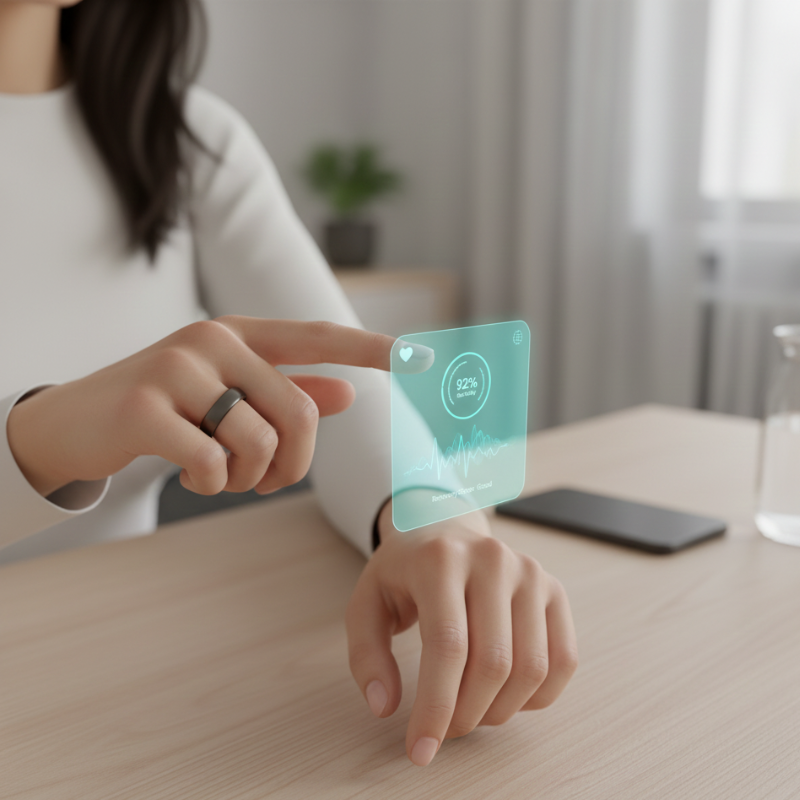
While smartwatches dominate the market, minimal wearables such as smart rings are gaining popularity. These compact devices offer powerful tracking capabilities without the bulk of traditional wearables.
Smart rings are particularly appealing to users who prioritize comfort and discretion. Despite their size, they can track sleep patterns, heart rate, activity levels, and recovery metrics with impressive accuracy.
This trend reflects a broader shift toward wearables that blend seamlessly into daily life, offering functionality without drawing attention or requiring constant interaction.
AI and Personalization Are Driving Smarter Insights
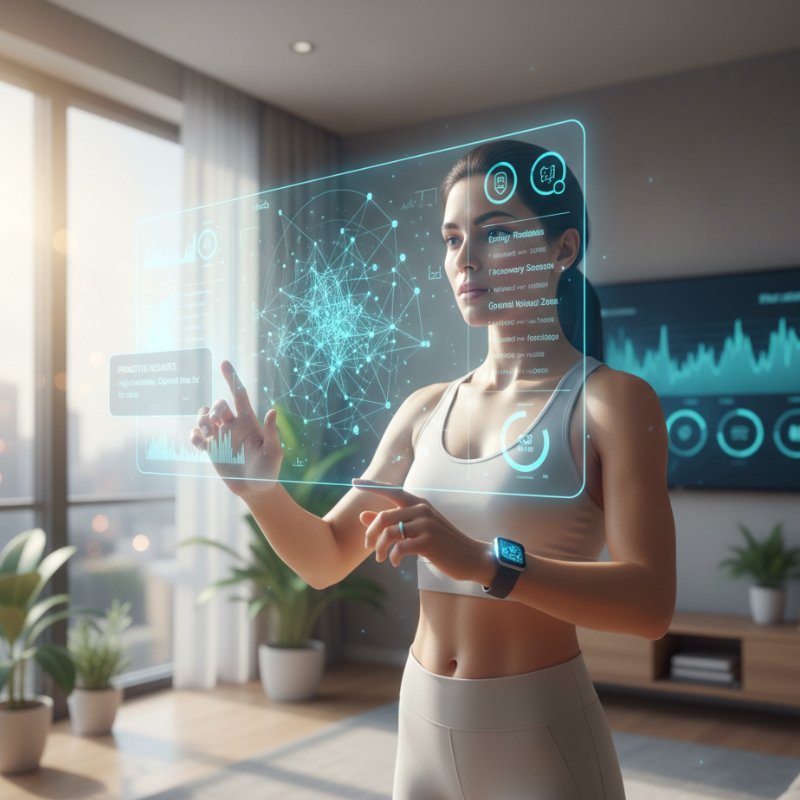
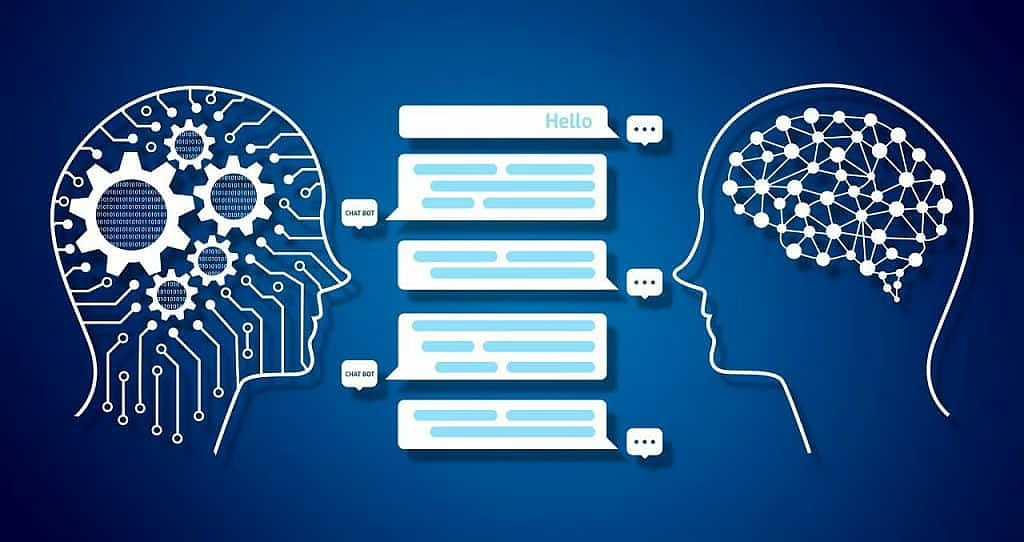
Artificial intelligence is playing an increasingly important role in wearable technology. Rather than simply displaying raw data, wearables now analyze patterns and deliver personalized insights.
For example, AI-driven wearables can recommend optimal workout times, suggest recovery periods, or flag irregular health trends based on individual behavior. Over time, these devices learn user preferences and adapt accordingly.
This level of personalization transforms wearables from passive trackers into proactive digital assistants that support smarter decision-making and healthier habits.
Improved Battery Life and Energy Efficiency

Battery life has long been a concern for wearable users, but recent innovations are addressing this issue. Newer wearables are incorporating energy-efficient processors, low-power displays, and smarter power management systems.
Some devices now offer multi-day or even week-long battery life, reducing the need for frequent charging. This improvement enhances usability and ensures wearables remain reliable throughout daily activities, workouts, and travel.
Longer battery life also supports continuous health monitoring, allowing devices to collect more consistent and meaningful data.
Seamless Integration with Smart Home Ecosystems
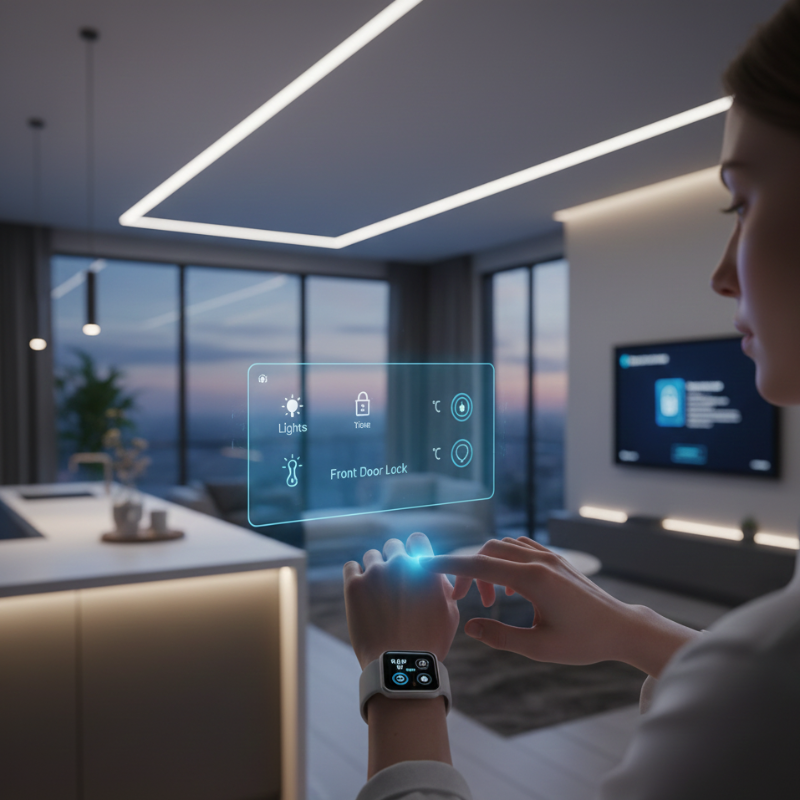
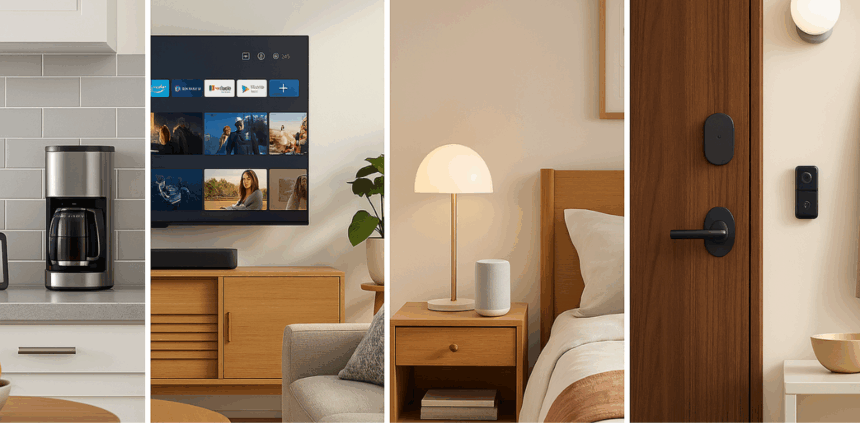
Wearables are becoming key control points within smart home ecosystems. Users can adjust lighting, control thermostats, unlock doors, or receive security alerts directly from their wearable devices.
This integration supports a more connected lifestyle, where technology responds intuitively to user needs. Wearables act as a bridge between personal data and smart environments, enabling hands-free control and real-time automation.
As smart homes become more common, wearable devices are likely to play an even larger role in managing connected living spaces.
Focus on Mental Wellness and Stress Management
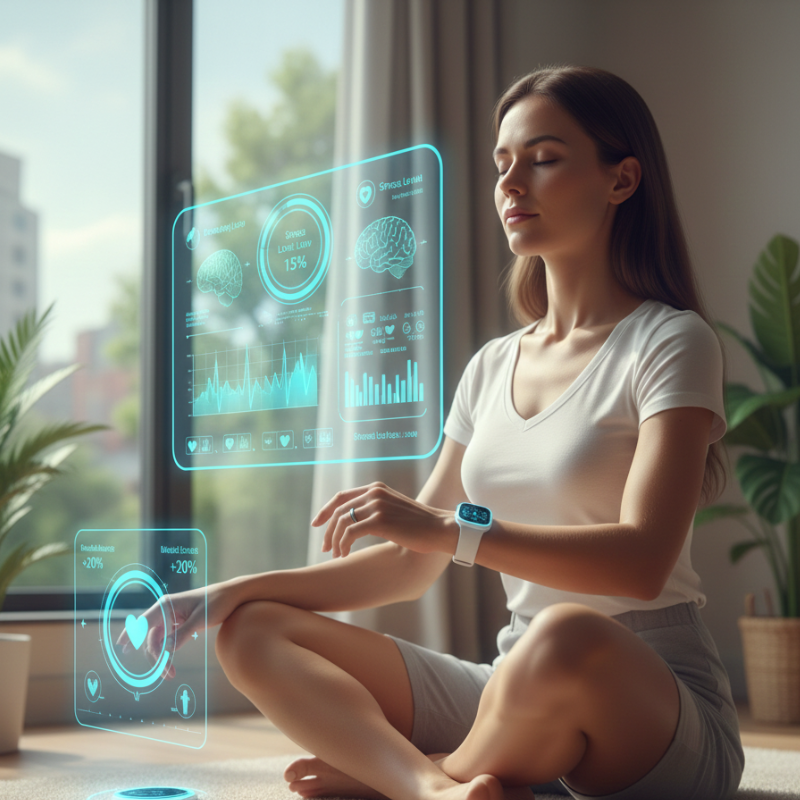
Another emerging trend in wearable technology is the focus on mental health and emotional well-being. Many wearables now include stress tracking, guided breathing exercises, and mindfulness reminders.
By analyzing heart rate variability and activity patterns, these devices help users recognize stress triggers and develop healthier coping mechanisms. This shift acknowledges that smart living is not just about physical health but also about mental balance and emotional awareness.
Wearables are increasingly positioned as tools for holistic well-being rather than performance alone.
Wearables and Data Privacy Awareness

As wearables collect more personal data, privacy and security are becoming important considerations. Manufacturers are responding by improving encryption, offering transparent data policies, and giving users more control over how their information is stored and shared.
This growing awareness is shaping consumer trust and influencing purchasing decisions. Smart living depends not only on innovation but also on responsible data handling and user confidence.
Looking Ahead: The Future of Smart Living

Wearable technology is clearly shaping the future of smart living. As devices become more intelligent, personalized, and interconnected, they are empowering users to take greater control of their health, productivity, and daily environments.
From advanced health insights to seamless smart home integration, wearables are transforming how technology fits into everyday life—quietly, efficiently, and meaningfully.
To stay updated on the latest wearable tech trends, smart devices, and innovations shaping the digital world, explore more insights at Your Tech Digest.