









For SaaS startups, the cloud is no longer just a technical foundation—it’s a strategic growth enabler. From faster product launches to global scalability, cloud platforms shape how modern SaaS businesses are built, scaled, and secured. As customer expectations rise and competition intensifies, staying informed about cloud platform trends is essential for founders and product leaders who want to stay ahead.
This year, cloud technology is evolving rapidly, with new approaches focused on flexibility, efficiency, and long-term resilience. Here are the top cloud platform trends every SaaS startup should watch closely.
1. Cloud-Native Architecture Becoming the Default

Cloud-native development is no longer optional for SaaS startups—it’s becoming the standard. Instead of adapting traditional software for the cloud, startups are building applications designed specifically for cloud environments.
This approach relies on microservices, containers, and APIs that allow teams to deploy features faster and scale individual components independently. Cloud-native architectures also improve system resilience, as failures in one service are less likely to affect the entire platform. For SaaS startups aiming to iterate quickly and respond to market feedback, this flexibility is a major advantage.
2. Serverless Computing for Faster Development

Serverless computing continues to gain traction among SaaS startups looking to reduce operational overhead. With serverless models, developers focus on writing code while cloud providers handle infrastructure management, scaling, and maintenance.
This trend is especially attractive for early-stage startups with limited engineering resources. Serverless platforms allow teams to launch features faster, pay only for actual usage, and avoid the complexity of managing servers. While not suitable for every workload, serverless is increasingly used for APIs, background jobs, and event-driven processes.



3. Multi-Cloud and Hybrid Cloud Strategies
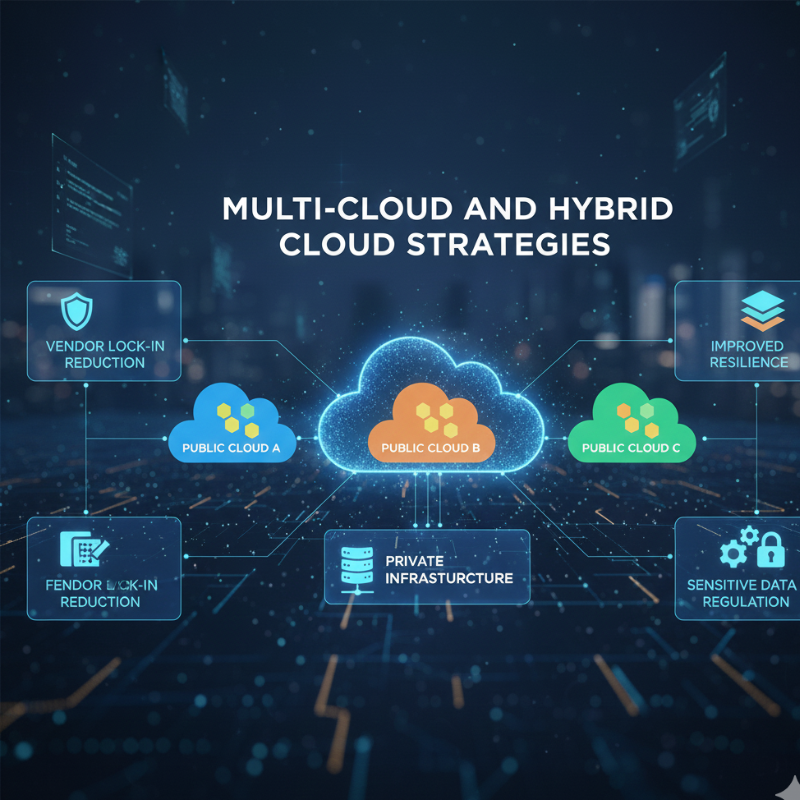
Relying on a single cloud provider is no longer the default choice for many SaaS startups. Multi-cloud and hybrid cloud strategies are gaining popularity as businesses seek greater flexibility and risk mitigation.
Using multiple cloud platforms helps reduce vendor lock-in and improves resilience in case of outages. Hybrid models, which combine public cloud services with private infrastructure, are also useful for startups handling sensitive data or operating in regulated industries. While multi-cloud setups require more planning, they offer long-term strategic benefits as startups scale.
4. Increased Focus on Cloud Security and Compliance
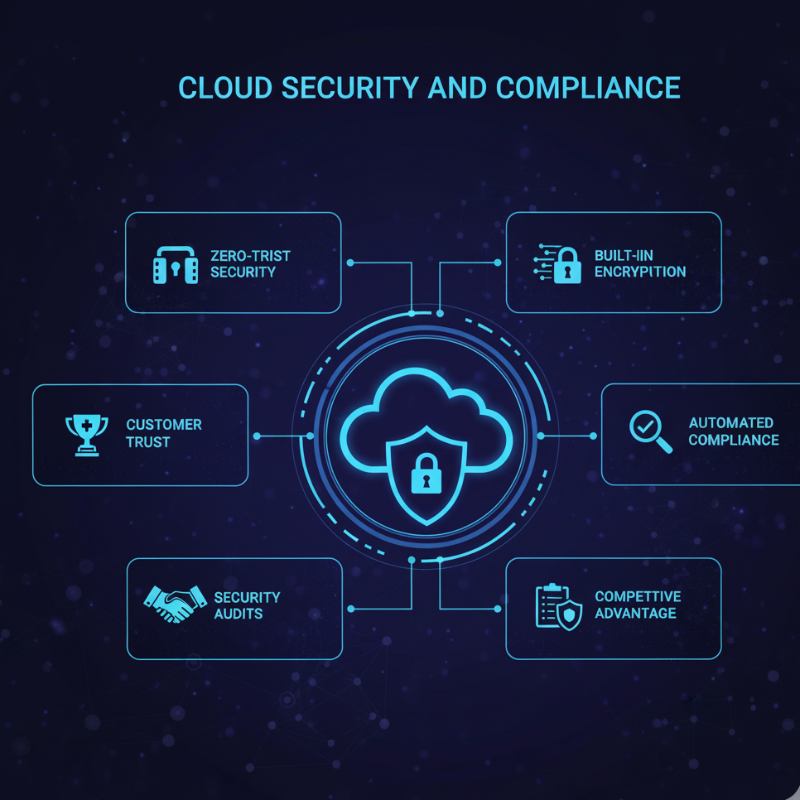
As SaaS platforms handle growing volumes of customer data, security has become a top priority. Cloud providers are responding with advanced security tools, but responsibility still lies with SaaS startups to implement best practices.
Trends such as zero-trust security models, built-in encryption, and automated compliance monitoring are becoming more common. Startups are also investing earlier in security audits and compliance standards to build customer trust and prepare for enterprise clients. In today’s market, strong cloud security is not just a technical requirement—it’s a competitive advantage.
5. AI and Machine Learning as Cloud-Native Services

Artificial intelligence is no longer limited to large enterprises. Cloud platforms are making AI and machine learning tools more accessible, allowing SaaS startups to integrate advanced capabilities without building everything from scratch.
From predictive analytics and personalized user experiences to automated support systems, AI-powered features are becoming easier to deploy through cloud-native services. This trend enables startups to differentiate their products and deliver more value without massive upfront investment in data infrastructure.
6. Cost Optimization and Usage-Based Scaling
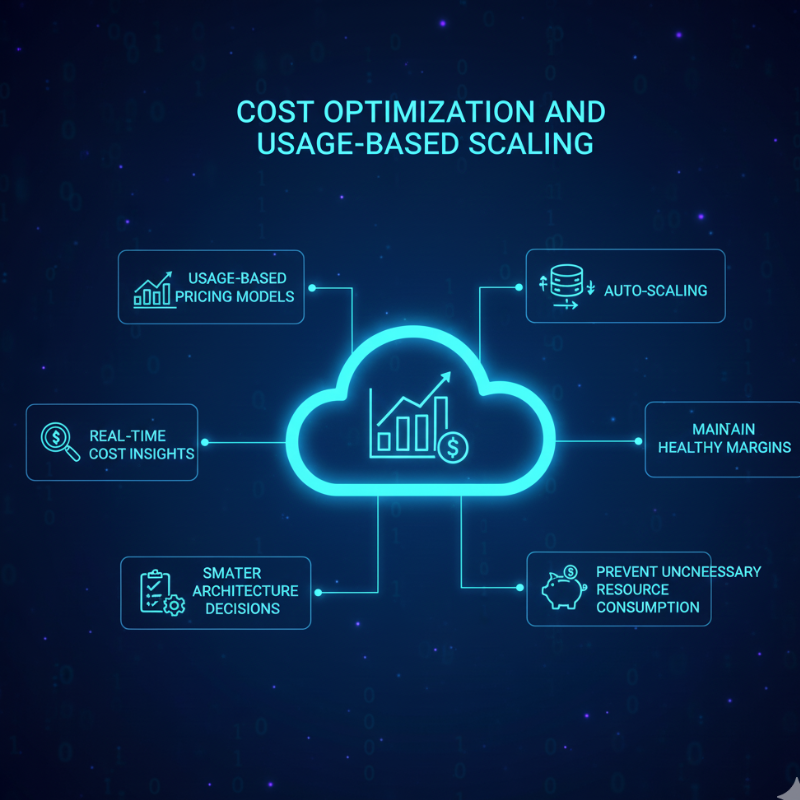
Cloud costs can grow quickly if not managed carefully, and SaaS startups are becoming more focused on cost efficiency. Cloud platforms are introducing better tools for monitoring usage, optimizing workloads, and forecasting expenses.
Usage-based pricing models, auto-scaling, and real-time cost insights help startups align spending with actual demand. This trend encourages smarter architecture decisions and prevents unnecessary resource consumption, which is critical for maintaining healthy margins during growth phases.
7. Edge Computing for Performance and Latency

As SaaS products serve users across different regions, performance has become a key differentiator. Edge computing addresses this by processing data closer to end users rather than relying solely on centralized cloud servers.
For SaaS startups with global audiences or real-time applications, edge computing can significantly reduce latency and improve user experience. While still evolving, this trend is becoming more relevant as cloud providers expand their edge infrastructure worldwide.
8. Developer Experience as a Priority
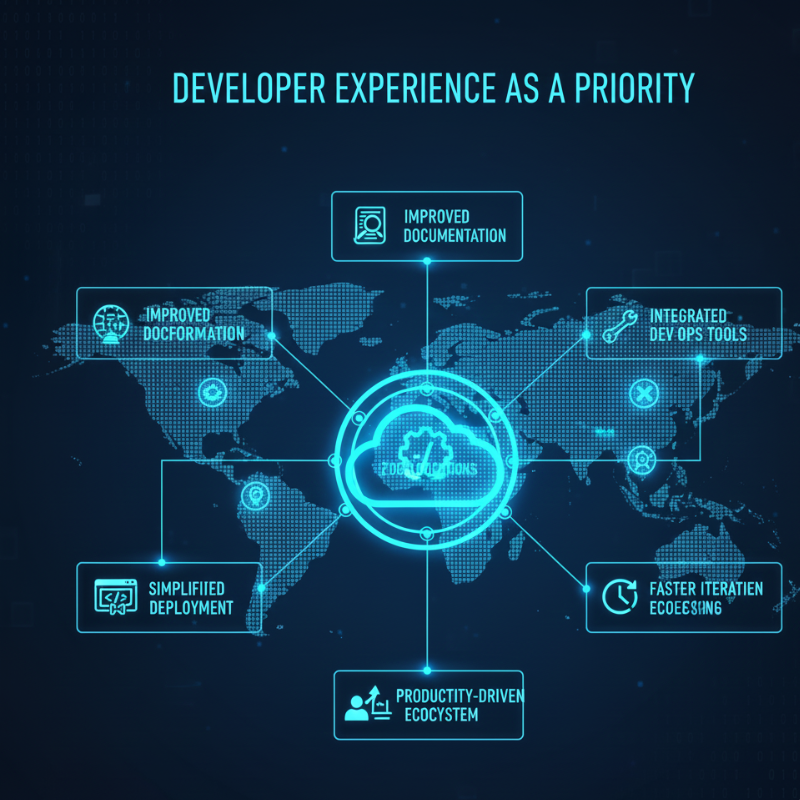
Cloud platforms are increasingly designed with developers in mind. Improved documentation, integrated DevOps tools, and simplified deployment workflows are helping SaaS teams move faster and reduce friction.
Startups that prioritize developer experience can onboard engineers more easily, maintain cleaner codebases, and release updates more consistently. This focus on usability reflects a broader shift toward productivity-driven cloud ecosystems.
Final Thoughts
Cloud platforms continue to shape how SaaS startups build, scale, and compete in a fast-moving market. Trends like cloud-native development, serverless computing, AI integration, and stronger security practices are not just technical upgrades—they are strategic decisions that influence long-term success.
For SaaS founders and teams, staying informed about these cloud platform trends helps future-proof products and supports sustainable growth. As the SaaS landscape becomes more competitive, the right cloud choices can make the difference between simply surviving and truly scaling.
If you’re building or growing a SaaS product, keeping an eye on how cloud platforms are evolving will help you make smarter decisions today—decisions that continue to pay off as your startup grows.