






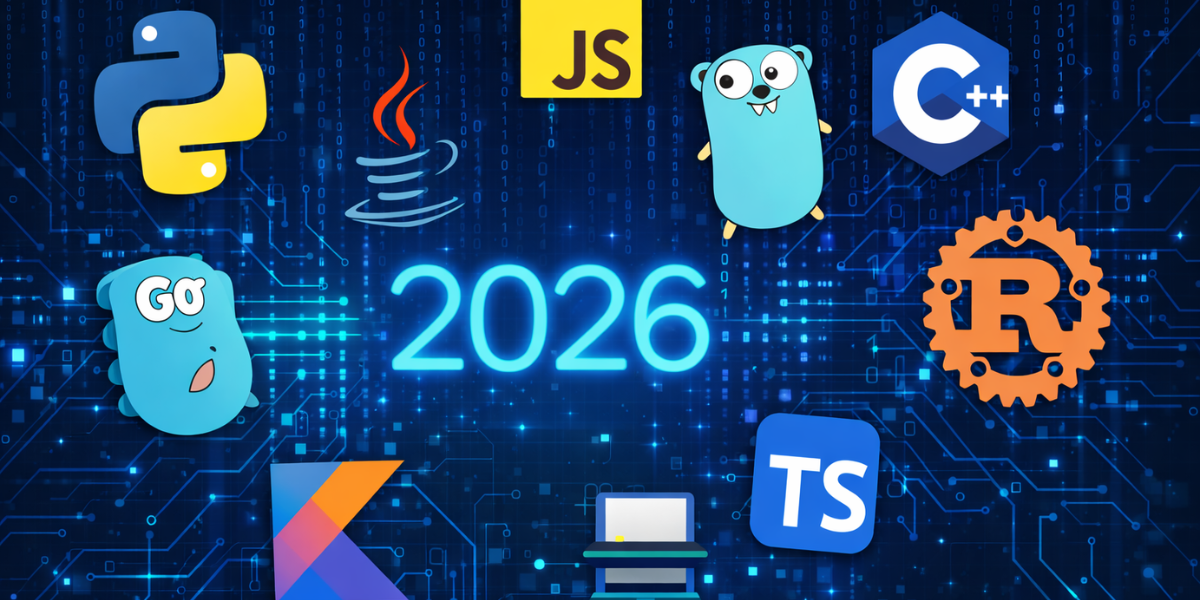

Programming languages evolve alongside the technology they support. In 2026, developers are choosing languages not just for popularity, but for how well they solve real problems—scalability, performance, security, and long-term maintainability. As businesses push toward AI-driven products, cloud-native systems, and faster development cycles, certain languages continue to dominate while others rise quietly but steadily.
Whether you’re a developer planning your next skill upgrade, a founder making technical decisions, or simply curious about where software development is heading, understanding which programming languages are most widely used in 2026 offers valuable insight.
Python: Still the Go-To for Versatility

Python remains one of the most popular programming languages in 2026, and its position feels well-earned. Its simple syntax, massive ecosystem, and adaptability make it a favorite across industries.
Developers rely on Python for:
- Artificial intelligence and machine learning
- Data analysis and automation
- Backend web development
- Rapid prototyping and scripting
What keeps Python relevant is not speed alone, but efficiency in problem-solving. When development time matters more than raw performance, Python continues to be the default choice.
JavaScript: The Backbone of the Web
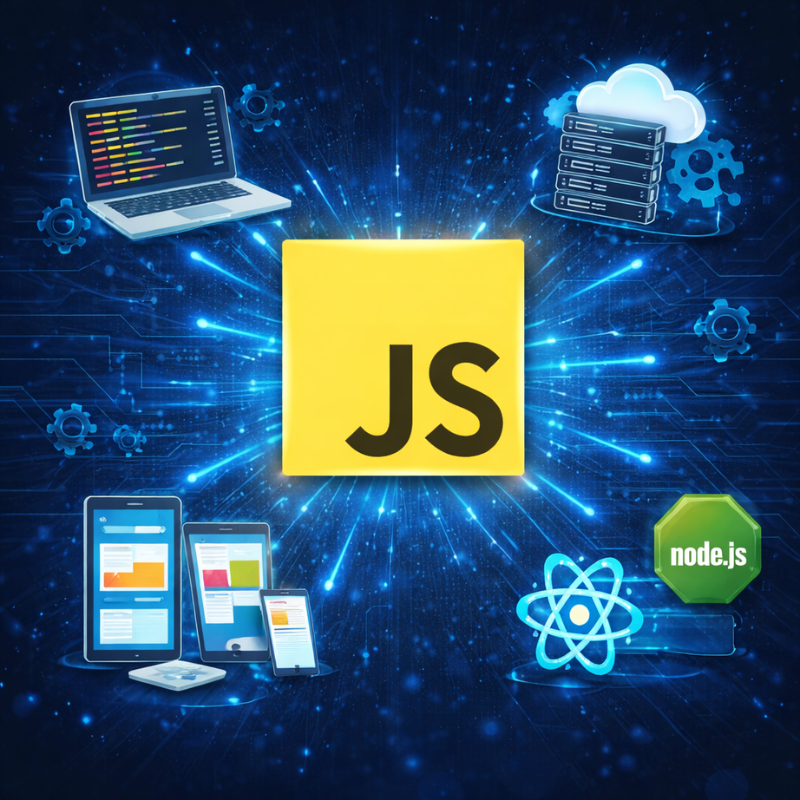
JavaScript is still unavoidable in modern development. In 2026, it powers everything from simple websites to large-scale applications running in browsers, servers, and even desktop environments.



Its dominance comes from:
- Universal browser support
- Mature frontend frameworks and libraries
- Strong backend presence through server-side runtimes
- Growing use in cross-platform app development
For developers working in web technologies, JavaScript remains essential. Its ecosystem keeps evolving, allowing teams to build fast, interactive, and scalable user experiences.
Java: Trusted, Stable, and Enterprise-Ready
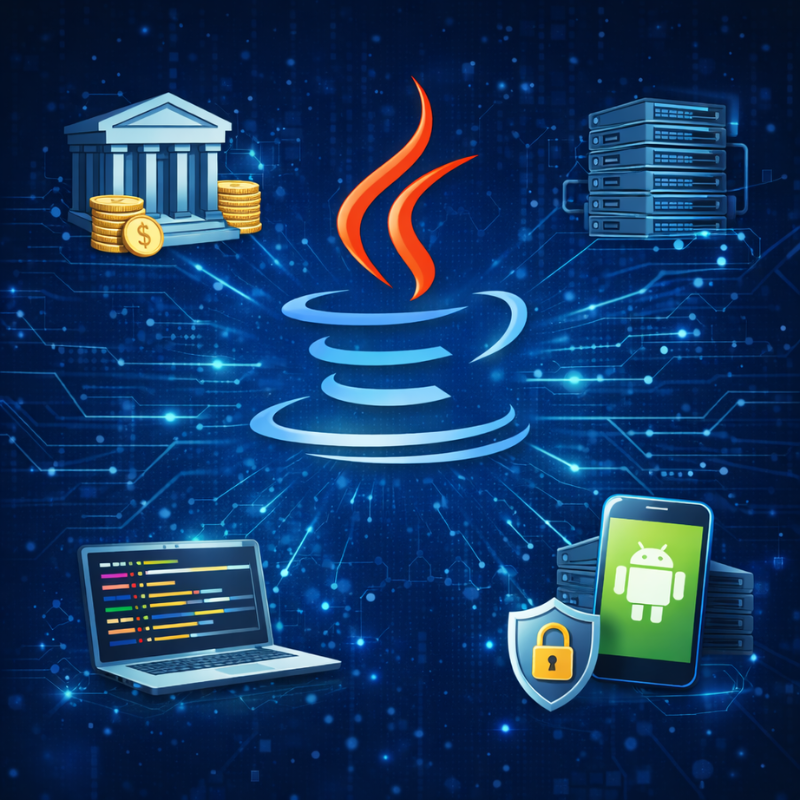
Java continues to hold a strong position in enterprise environments. While it may not generate as much excitement as newer languages, it remains one of the most widely used programming languages in large organizations.
Java is favored for:
- Enterprise-grade applications
- Financial and banking systems
- Android development
- Long-term, mission-critical software
Its stability, performance, and backward compatibility make it a safe and reliable choice, especially where systems are expected to run for decades rather than years.
C and C++: Powering Performance-Critical Systems
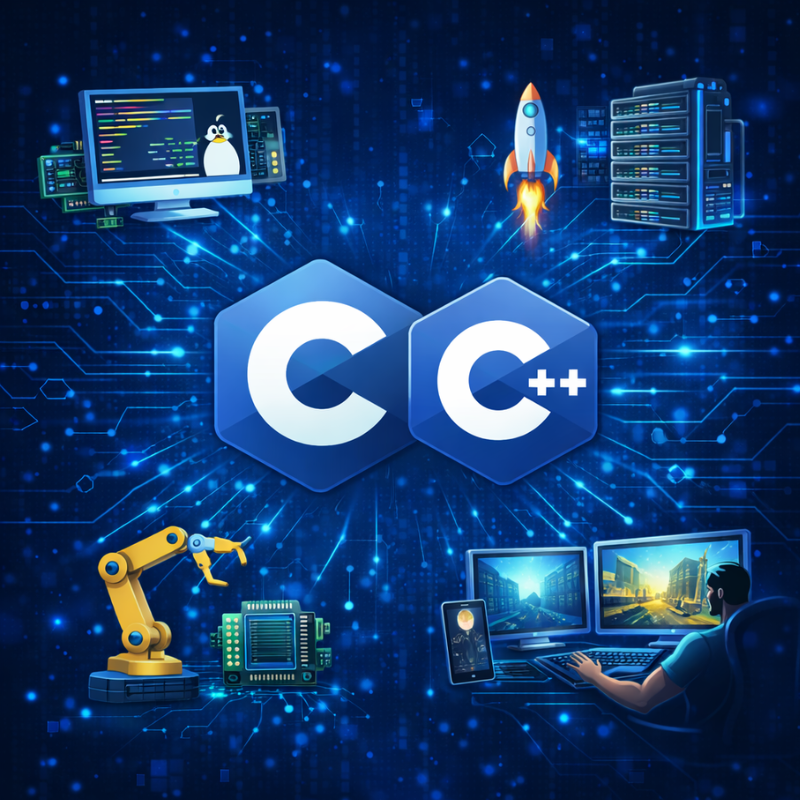
Despite being decades old, C and C++ are still heavily used in 2026. These languages sit closer to hardware, giving developers control over memory and performance that higher-level languages cannot easily match.
They remain essential for:
- Operating systems and embedded systems
- Game engines and real-time simulations
- High-performance computing
- Systems programming
While not beginner-friendly, C and C++ continue to thrive where efficiency and speed are non-negotiable.
Go: Built for Modern Infrastructure
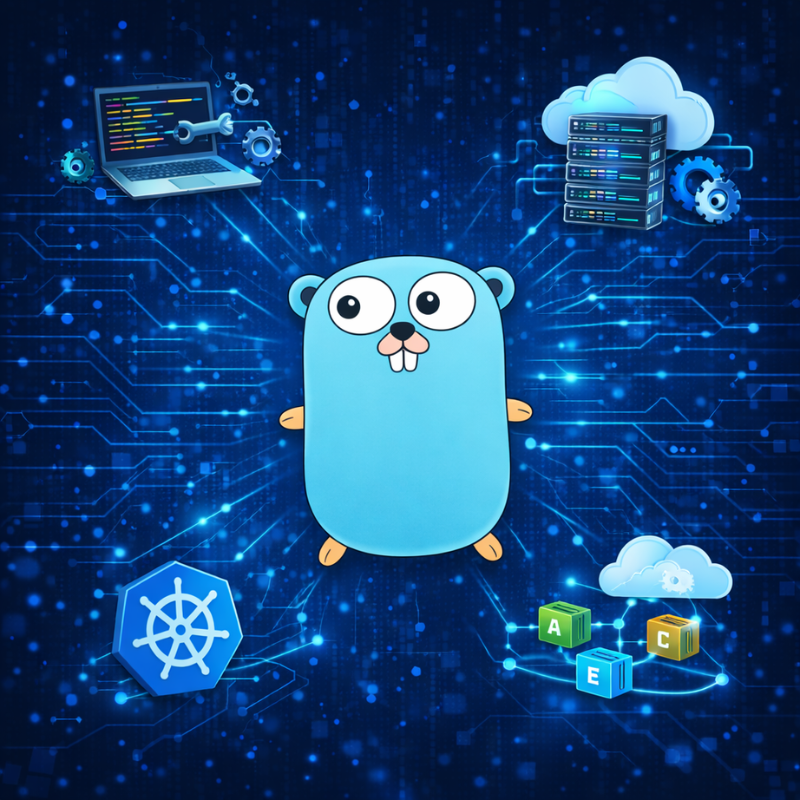
Go has matured into a serious contender among modern programming languages. Designed with simplicity and performance in mind, it has become a favorite for cloud-based and distributed systems.
Developers choose Go for:
- Microservices architecture
- Cloud-native applications
- DevOps tools and infrastructure software
- High-concurrency environments
Its fast compilation, clean syntax, and strong standard library make it ideal for teams building scalable backend systems.
Rust: Safety Without Sacrificing Performance

Rust’s popularity has grown significantly by 2026, especially among developers who need both speed and safety. It addresses common issues found in low-level programming, particularly memory-related bugs.
Rust is increasingly used for:
- Systems programming
- Security-sensitive applications
- Performance-critical services
- Replacing legacy C and C++ code
Although it has a steeper learning curve, many developers see Rust as a long-term investment that pays off in reliability and maintainability.
TypeScript: JavaScript, But More Predictable

TypeScript has become a standard choice for large JavaScript projects. By adding static typing, it helps teams write cleaner, more maintainable code without abandoning the JavaScript ecosystem.
Its popularity stems from:
- Improved code quality and readability
- Better tooling and error detection
- Scalability for large applications
- Seamless integration with existing JavaScript projects
In 2026, many development teams treat TypeScript not as an alternative, but as the default way to write JavaScript.
Kotlin: Modern Development with Practical Benefits

Kotlin continues to gain traction, particularly in mobile and backend development. It offers modern language features while maintaining compatibility with existing Java-based systems.
Developers favor Kotlin for:
- Android app development
- Backend services
- Cleaner syntax compared to Java
- Reduced boilerplate code
Its balance between innovation and practicality keeps it relevant in professional development environments.
Swift: A Strong Choice for Apple Ecosystems
Swift remains the primary language for developing applications within the Apple ecosystem. Its performance, safety features, and developer-friendly syntax make it a solid choice for building modern apps.
Swift is widely used for:
- iOS and macOS applications
- Apple platform services
- Performance-focused mobile apps
As Apple platforms continue to grow, Swift’s role remains secure.
Choosing the Right Language in 2026
Popularity alone should never be the sole factor when choosing a programming language. The best choice depends on your goals—whether that’s building scalable systems, launching a startup, or advancing your development career.
In 2026, successful developers focus on:
- Learning languages that match industry demand
- Understanding core programming concepts across languages
- Choosing tools that balance productivity and performance
Languages may change, but strong fundamentals always remain valuable.
Final Thoughts
The most popular programming languages in 2026 reflect the direction of modern software development: smarter systems, faster delivery, and more reliable applications. From versatile languages like Python to performance-driven options like Rust and Go, developers today have more powerful tools than ever.
At Your Tech Digest, we explore the technologies shaping the future of development in a practical, accessible way. If you want to stay informed about programming trends, tools, and real-world tech insights, keep exploring our latest articles and guides.