









Cybersecurity is no longer driven only by technology threats. Around the world, privacy laws are fundamentally reshaping how organizations design, implement, and manage their cybersecurity strategies. What was once a purely technical function has now become a legal, operational, and strategic priority for businesses handling personal data.
As governments introduce stronger data protection regulations and enforcement becomes more aggressive, organizations are being pushed to rethink cybersecurity from the ground up. Privacy laws are no longer just compliance checklists—they are catalysts for more mature, resilient, and proactive security practices.
The Growing Influence of Privacy Regulations

Over the past decade, privacy laws have expanded rapidly across regions. Regulations such as GDPR in Europe, CCPA and CPRA in the United States, LGPD in Brazil, and various data protection frameworks in Asia-Pacific all share a common objective: protect personal data from misuse, loss, and unauthorized access.
These laws have elevated cybersecurity from an internal IT concern to a board-level issue. Organizations are now legally accountable for how they secure personal data, making cybersecurity failures not just operational risks but regulatory violations.
Cybersecurity as a Legal Requirement, Not an Option
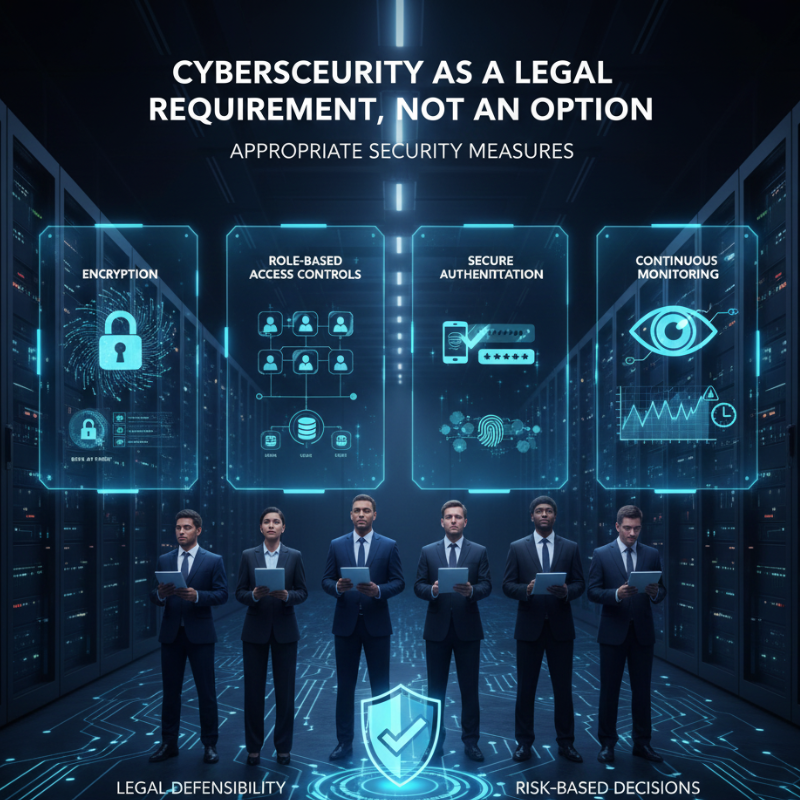
One of the most significant shifts caused by privacy laws is the expectation of “appropriate security measures.” While regulations may not prescribe exact technical controls, they require organizations to demonstrate reasonable efforts to protect sensitive data.
This has led to stronger cybersecurity baselines, including:


- Encryption of data at rest and in transit
- Role-based access controls
- Secure authentication mechanisms
- Continuous system monitoring
Cybersecurity strategies are now built with legal defensibility in mind. Organizations must be able to show auditors and regulators that security decisions were intentional, documented, and risk-based.
Data Protection Drives Proactive Security Models

Privacy laws have encouraged organizations to move away from reactive security models toward proactive risk management. Instead of responding only after incidents occur, businesses are investing in threat detection, vulnerability assessments, and ongoing security testing.
Breach notification requirements, often with tight reporting deadlines, have played a major role in this shift. When organizations know they must report incidents quickly, they are more likely to invest in early detection tools and well-defined incident response plans.
Cybersecurity is no longer about stopping every attack—it is about detecting issues early, containing damage, and responding responsibly.
Privacy by Design Reshapes Security Architecture

Modern privacy laws promote privacy-by-design and privacy-by-default principles. This approach requires privacy and security considerations to be integrated into systems from the earliest design stages.
As a result, cybersecurity teams are now closely involved in product development, cloud architecture, and application design. Secure APIs, data segmentation, minimal access privileges, and built-in audit logs are becoming standard components of modern systems.
This shift reduces long-term security risk while also simplifying compliance. Systems designed with privacy in mind are easier to protect, monitor, and justify under regulatory scrutiny.
Data Minimization Reduces Cyber Risk
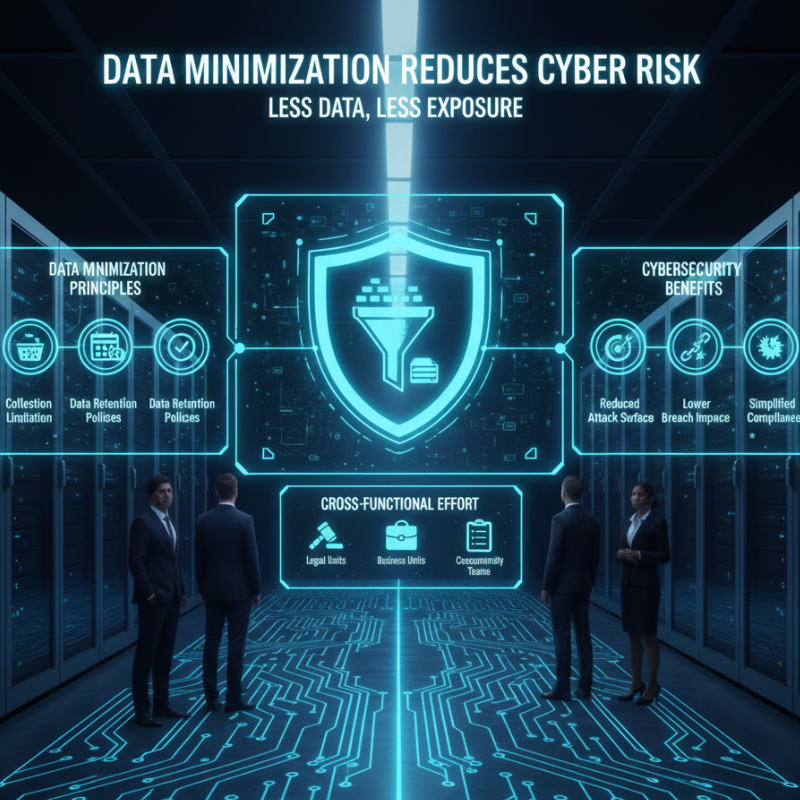
Many privacy laws emphasize collecting and retaining only the data that is necessary. This principle has had a direct impact on cybersecurity strategies.
By reducing the amount of stored personal data, organizations significantly lower their attack surface. Fewer data repositories mean fewer targets for attackers and less exposure in the event of a breach.
Cybersecurity teams now work alongside legal and business units to review data retention policies, eliminate unnecessary data storage, and ensure secure deletion practices are in place.
Vendor Security and Third-Party Risk Management

Privacy laws have also expanded responsibility beyond internal systems. Organizations are often held accountable for breaches involving third-party vendors, cloud providers, or service partners.
This has strengthened third-party cybersecurity requirements. Security assessments, contractual obligations, and vendor audits are now common components of compliance-driven cybersecurity strategies.
Businesses can no longer assume that outsourcing reduces responsibility. Privacy laws have made shared accountability a central part of cybersecurity planning.
Cross-Border Data Transfers and Security Controls

For global organizations, privacy laws introduce complex challenges around cross-border data transfers. Regulations often require additional safeguards when personal data moves between countries with different security standards.
To address this, cybersecurity strategies increasingly include:
- Strong encryption during data transfers
- Secure cloud configurations
- Access controls based on geographic risk
- Continuous monitoring of international data flows
These measures not only support compliance but also strengthen overall data security in distributed environments.
Building a Privacy-Aware Security Culture

Privacy regulations have contributed to a cultural shift within organizations. Cybersecurity awareness training now includes privacy obligations, helping employees understand how their actions affect data protection.
Phishing prevention, access management, and secure data handling are no longer framed solely as IT rules—they are presented as shared responsibilities tied to legal and ethical expectations.
This cultural alignment improves cybersecurity outcomes by reducing human error, which remains one of the most common causes of data breaches.
Privacy Laws as a Competitive Advantage

Organizations that align cybersecurity strategies with privacy laws often gain more than compliance. Strong security and transparent data practices build trust with customers, partners, and stakeholders.
In competitive markets, demonstrating responsible data protection can enhance brand reputation and customer loyalty. Privacy-driven cybersecurity investments frequently result in more resilient systems, fewer incidents, and improved operational stability.
Rather than slowing innovation, privacy laws are pushing organizations to innovate more securely and responsibly.
Looking Ahead: The Future of Privacy-Driven Cybersecurity

As privacy regulations continue to evolve, cybersecurity strategies will become even more integrated with legal and business decision-making. Future laws are likely to demand greater transparency, faster incident response, and stronger accountability.
Organizations that treat privacy laws as strategic guidance rather than regulatory obstacles will be better positioned to adapt. Cybersecurity strategies grounded in privacy principles are more flexible, defensible, and sustainable over time.
Final Thoughts
Privacy laws are no longer separate from cybersecurity—they actively shape how security strategies are designed, implemented, and managed. From system architecture and data minimization to vendor oversight and incident response, regulatory expectations influence nearly every layer of modern cybersecurity.
For organizations navigating today’s digital landscape, aligning cybersecurity strategies with privacy laws is not just about avoiding penalties. It is about building trust, reducing risk, and creating secure systems that can support long-term growth.
Staying informed and proactive in this evolving space is one of the most effective ways to strengthen both cybersecurity posture and regulatory confidence.