









As data becomes one of the most valuable assets in the digital economy, governments around the world have introduced privacy laws to protect how personal information is collected, stored, and used. These regulations are known as legal obligations, but their influence goes far beyond compliance. Today, global privacy laws play a direct and powerful role in shaping cybersecurity strategies for businesses of all sizes.
Understanding how privacy regulations affect cybersecurity is essential for organizations that handle customer, employee, or partner data—especially in an era of rising cyber threats and increasing regulatory scrutiny.
Why Privacy Laws Matter in a Cybersecurity Context

At their core, privacy laws are designed to protect individuals from misuse, loss, or exposure of personal data. Cybersecurity, on the other hand, focuses on safeguarding systems, networks, and information from unauthorized access or attacks. While these may seem like separate concerns, they are deeply connected.
Most privacy regulations require organizations to implement “reasonable” or “appropriate” security measures to protect personal data. This means weak cybersecurity is not just a technical risk—it is a legal one. A single breach can lead to financial penalties, reputational damage, and loss of customer trust.
A Snapshot of Major Global Privacy Laws
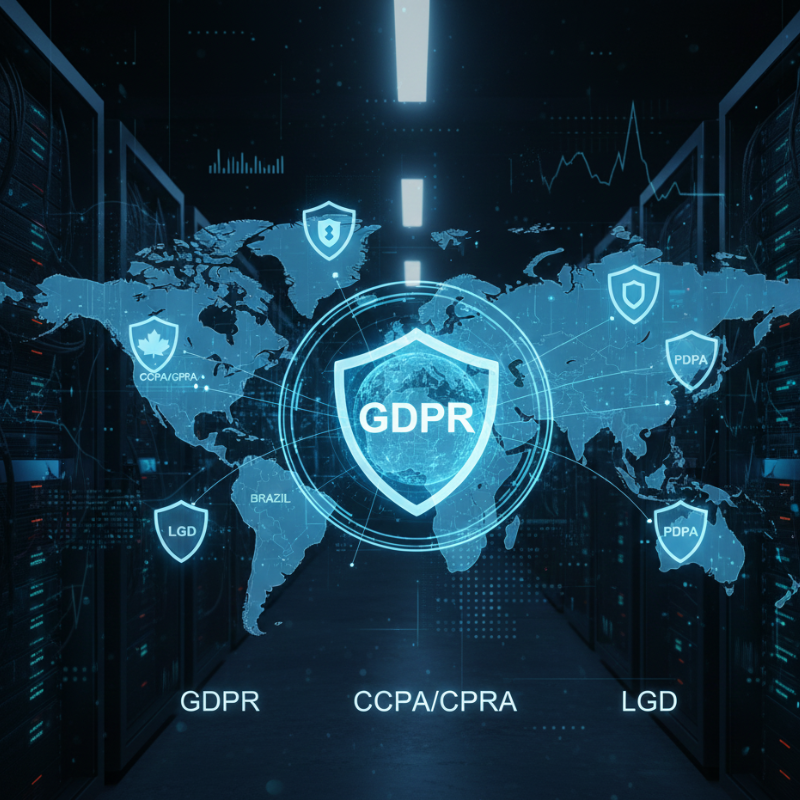
Several privacy frameworks influence how organizations approach cybersecurity worldwide:
- GDPR (General Data Protection Regulation) in the European Union sets strict rules on data protection, breach reporting, and accountability.
- CCPA/CPRA in California focuses on consumer rights, transparency, and data access controls.
- PIPEDA in Canada emphasizes safeguarding personal information and limiting unauthorized access.
- LGPD in Brazil mirrors many GDPR principles, requiring strong data security practices.
- PDPA frameworks across Asia-Pacific regions regulate how personal data is processed and secured.
While these laws differ in scope and enforcement, they share a common expectation: organizations must actively protect personal data from cyber threats.


How Privacy Laws Shape Cybersecurity Strategies
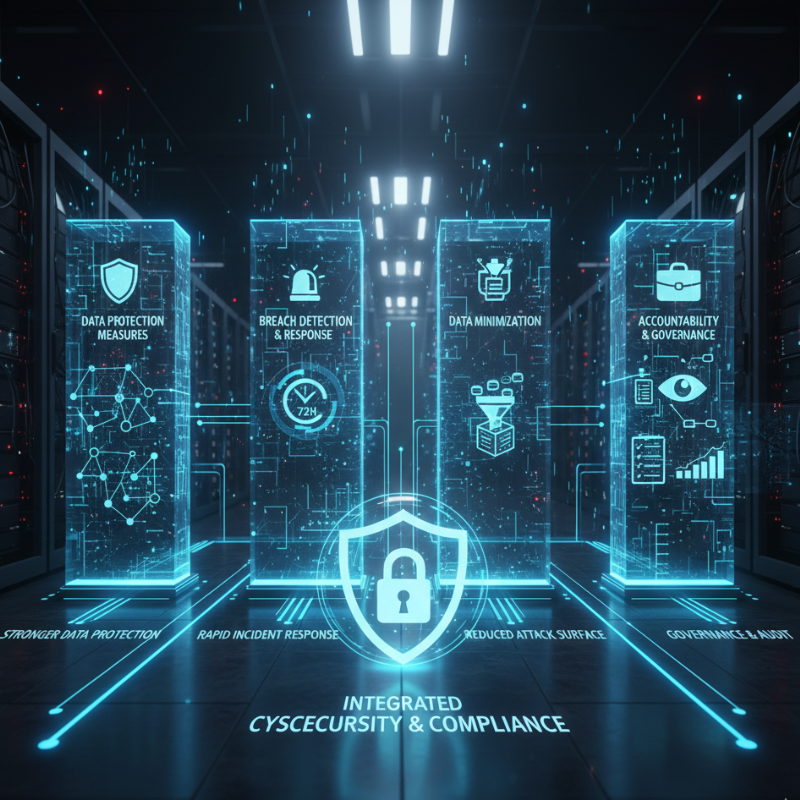
Stronger Data Protection Measures
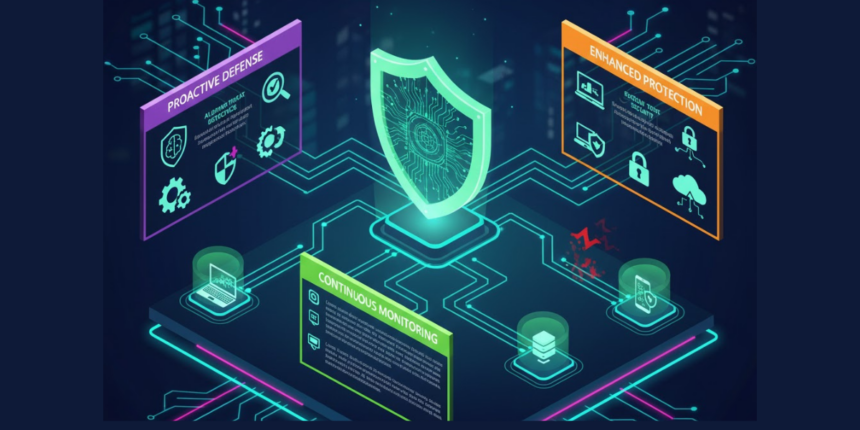
Privacy regulations encourage organizations to adopt encryption, access controls, secure authentication, and network monitoring. These technical safeguards reduce the risk of unauthorized data exposure and help meet compliance requirements.
For cybersecurity teams, this means data protection is no longer optional or reactive—it must be built into systems from the start.
Breach Detection and Incident Response
Many privacy laws mandate strict timelines for breach notification. For example, GDPR requires organizations to report certain data breaches within 72 hours. This requirement pushes businesses to invest in real-time monitoring, intrusion detection systems, and well-defined incident response plans.
Cybersecurity teams must now focus not only on prevention but also on rapid detection and response.
Data Minimization and Reduced Attack Surface
Privacy laws often promote data minimization—collecting only what is necessary and retaining it for limited periods. From a cybersecurity perspective, less stored data means fewer assets for attackers to target.
By reducing data volumes, organizations lower both compliance risk and exposure during cyber incidents.
Accountability and Governance
Global privacy laws place responsibility on organizations to prove they are protecting data appropriately. This leads to stronger cybersecurity governance, regular audits, risk assessments, and documented security policies.
Cybersecurity becomes a board-level concern rather than a purely technical issue handled in isolation.
Privacy-by-Design and Secure Architecture

One of the most significant impacts of privacy laws is the adoption of privacy-by-design principles. This approach integrates privacy and security into systems during the design phase, rather than adding controls later.
For cybersecurity teams, this means working closely with developers, architects, and compliance teams to ensure systems are secure from the ground up. Secure APIs, role-based access, and segmented networks become standard practices rather than afterthoughts.
The Cost of Non-Compliance Meets Cyber Risk

Failing to align cybersecurity practices with privacy regulations can be costly. Regulatory fines, legal actions, and mandatory audits often follow data breaches involving personal information.
Beyond financial penalties, public disclosure requirements can damage brand reputation. Customers are increasingly aware of privacy rights and may abandon organizations that fail to protect their data. This reputational impact often exceeds the cost of technical recovery.
Cross-Border Data Transfers and Cybersecurity Challenges

Global businesses face additional complexity when transferring data across borders. Privacy laws often restrict how personal data can move between countries, especially when security standards differ.
Cybersecurity teams must ensure that data transfers are encrypted, monitored, and compliant with multiple regulatory frameworks. This has led to increased adoption of secure cloud configurations, data localization strategies, and contractual security obligations with third-party vendors.
Privacy Regulations Drive Better Cybersecurity Culture

One positive outcome of global privacy laws is the cultural shift they encourage. Employees are trained to handle data responsibly, recognize phishing attempts, and follow secure access practices.
Cybersecurity awareness programs now include privacy considerations, reinforcing the idea that data protection is everyone’s responsibility—not just the IT department’s.
Looking Ahead: Privacy Laws as Cybersecurity Catalysts

As cyber threats grow more sophisticated, privacy regulations will continue to evolve. Future laws are likely to place even greater emphasis on proactive security measures, transparency, and accountability.
Organizations that view privacy laws as an opportunity—rather than a burden—are better positioned to strengthen their cybersecurity posture. Compliance-driven security investments often lead to improved resilience, customer trust, and long-term operational stability.
Final Thoughts
Global privacy laws have reshaped the cybersecurity landscape by turning data protection into a legal, technical, and strategic priority. From encryption and breach response to governance and system design, these regulations influence nearly every aspect of modern cybersecurity.
For organizations operating in today’s interconnected digital environment, aligning cybersecurity practices with global privacy laws is not just about avoiding penalties—it’s about building trust, reducing risk, and creating a secure foundation for growth.
Staying informed, proactive, and security-focused is the key to navigating this evolving landscape with confidence.