






Cyber threats are no longer limited to large corporations or government systems. From startups and remote teams to everyday internet users, everyone is a potential target. As digital activity continues to grow, choosing the right cybersecurity software has become a practical necessity rather than an optional upgrade.
With countless tools available—each claiming to offer complete protection—it’s easy to feel overwhelmed. This guide breaks down what truly matters when selecting cybersecurity software, helping you make an informed decision based on real needs, not marketing hype.
Why Cybersecurity Software Matters More Than Ever

Modern cyberattacks are smarter, faster, and more damaging than ever before. Ransomware, phishing, data breaches, and malware attacks can lead to financial loss, reputational damage, and long-term operational issues.
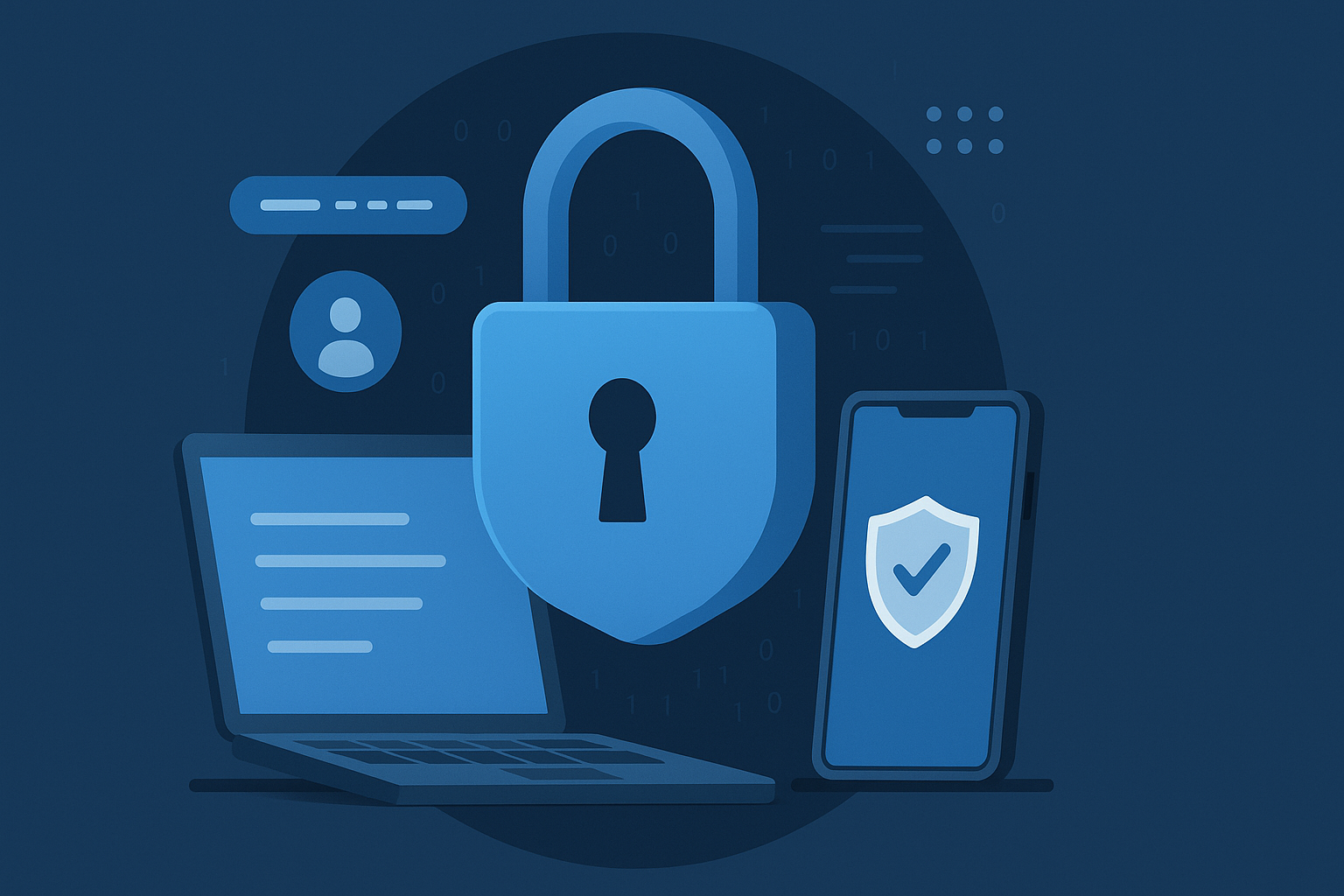
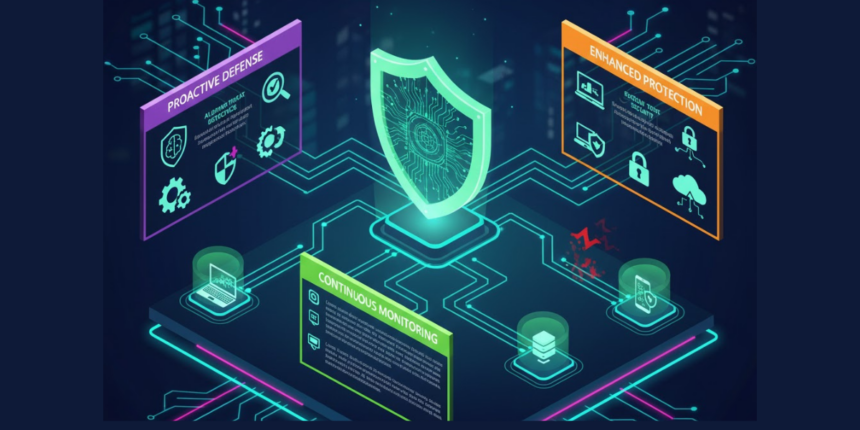
Cybersecurity software acts as the first line of defense. It monitors activity, identifies threats, and responds before damage is done. The right solution doesn’t just block attacks—it gives you visibility, control, and peace of mind.
Understand Your Risk Profile First
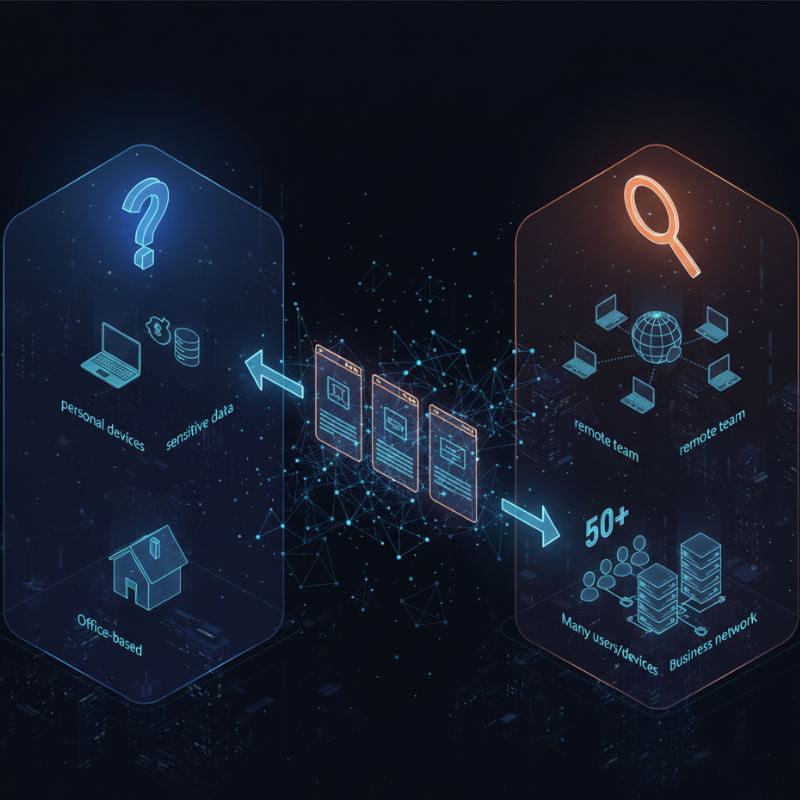
Before evaluating any software, start with your own risk profile. Not every user or business faces the same threats.
Ask a few key questions:

- Are you protecting personal devices or a business network?
- Do you store sensitive customer or financial data?
- Is your team remote or office-based?
- How many devices and users need protection?
Clear answers help narrow down which features are essential and which are unnecessary.
Core Features to Look For
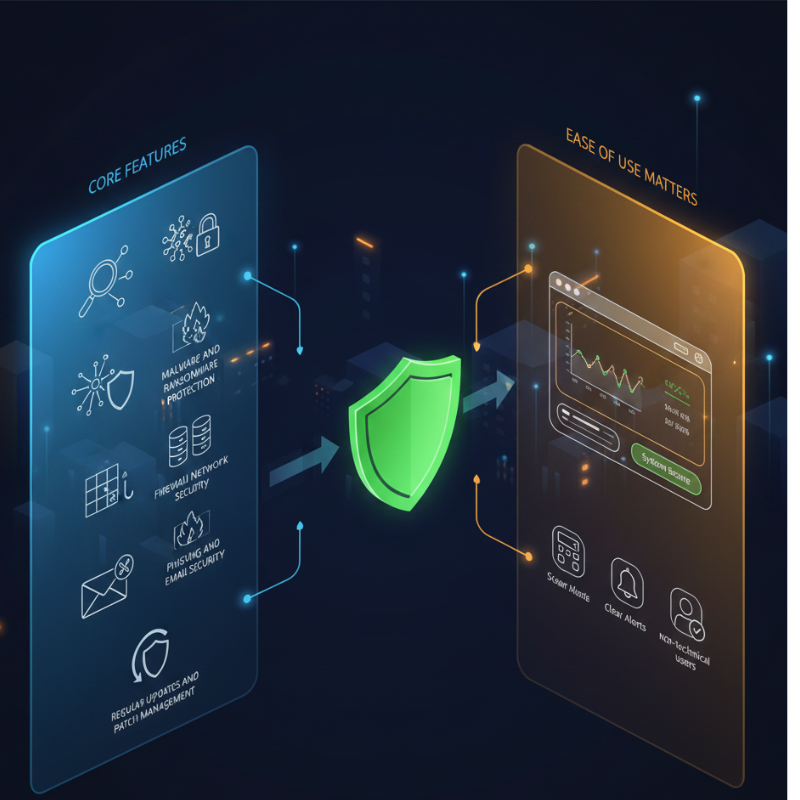
While cybersecurity tools vary widely, certain features form the foundation of effective protection.
Threat Detection and Prevention
Look for software that uses real-time threat detection rather than relying solely on signature-based scanning. Modern threats evolve quickly, and proactive detection is critical.
Malware and Ransomware Protection
Strong malware protection should include defense against ransomware, spyware, and zero-day threats. Automatic quarantine and rollback features are valuable additions.
Firewall and Network Security
For businesses and advanced users, built-in firewalls and network monitoring tools add an extra layer of protection, especially on shared or cloud-based networks.
Phishing and Email Security
Phishing remains one of the most common attack methods. Tools that scan emails, links, and attachments significantly reduce risk.
Regular Updates and Patch Management
Cybersecurity software is only effective if it stays current. Automatic updates ensure protection against newly discovered vulnerabilities.
Ease of Use Matters
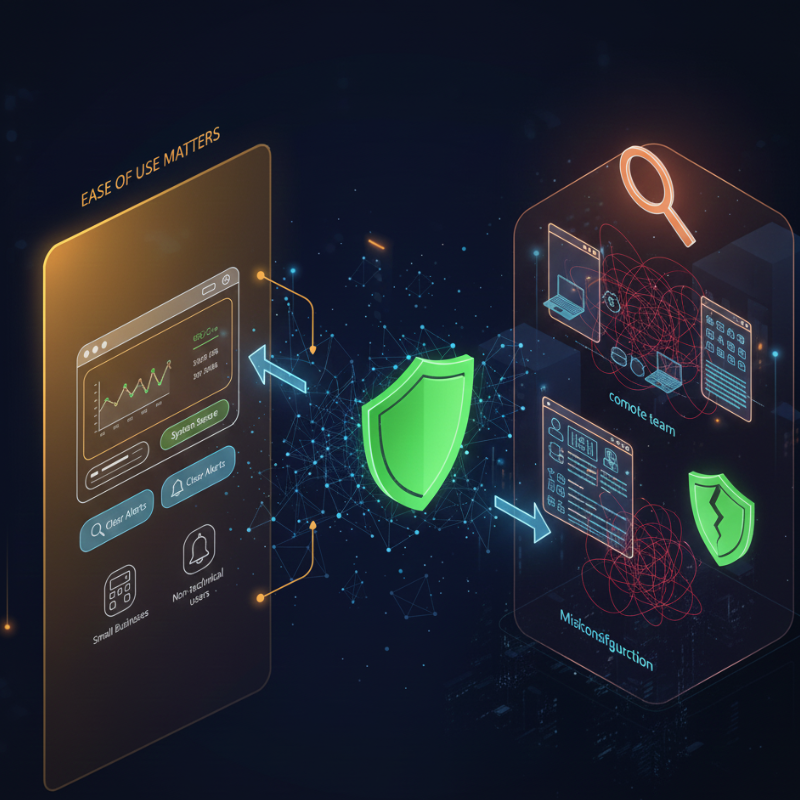
Security tools should strengthen protection without complicating daily workflows. Overly complex software often leads to misconfigurations or disabled features.
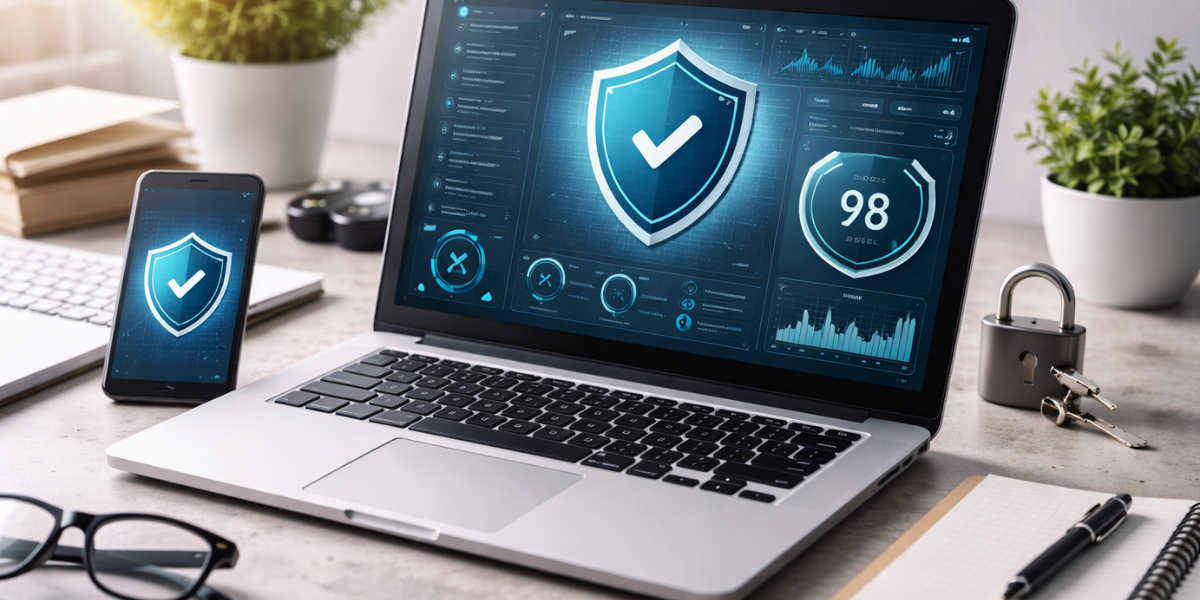
A clean dashboard, clear alerts, and straightforward controls make it easier to manage security proactively. For non-technical users and small businesses, simplicity can be just as important as advanced features.
Performance and System Impact
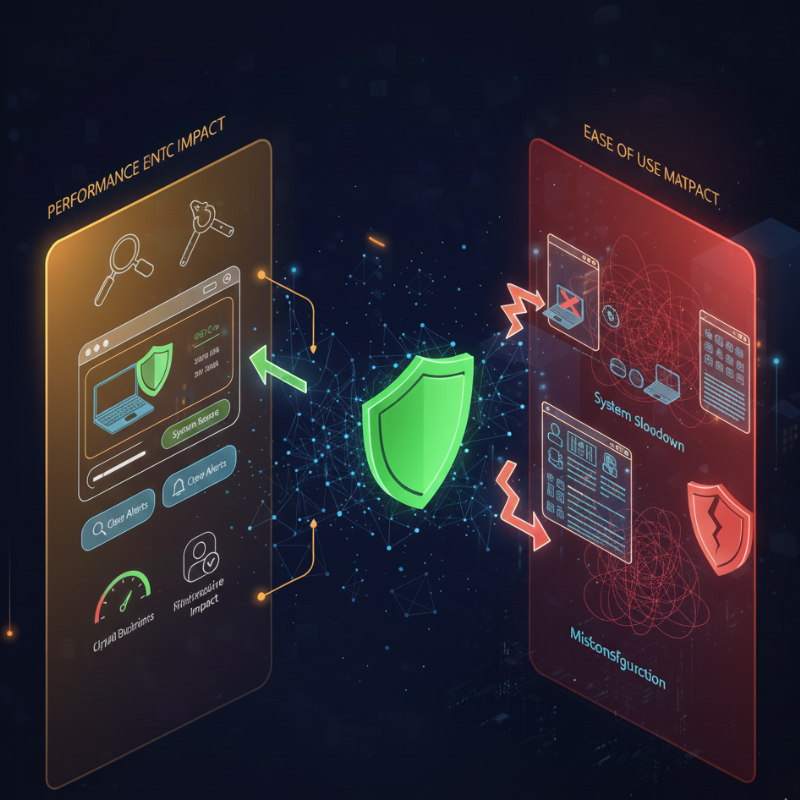
One common concern is system slowdown. Some security tools consume excessive resources, affecting productivity and user experience.
Look for software known for lightweight performance. Many modern solutions balance strong protection with minimal system impact, allowing devices to run smoothly in the background.
Scalability for Growing Needs
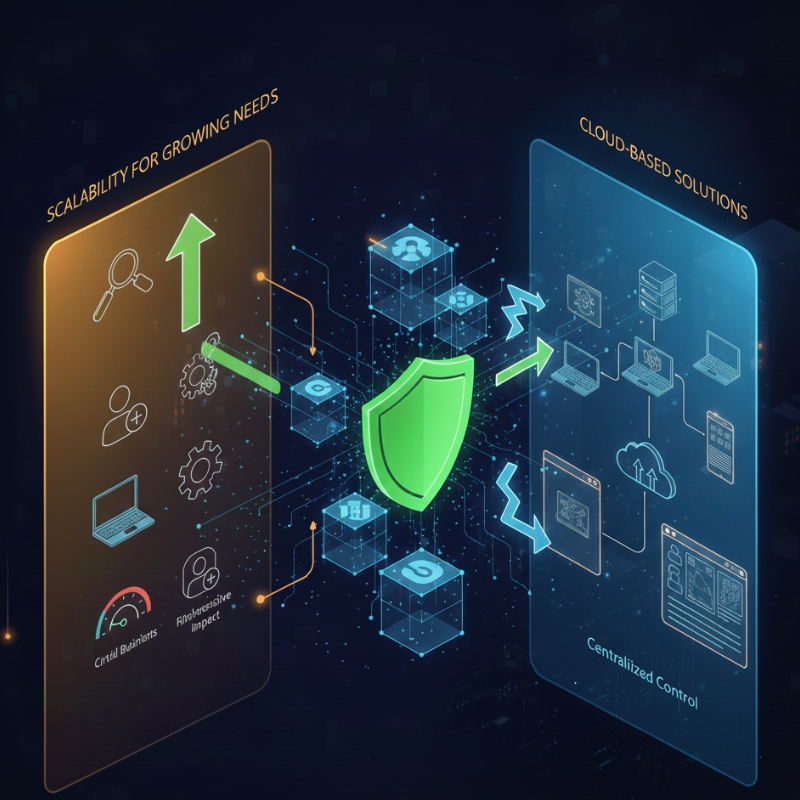
What works today may not work tomorrow. As businesses grow, security requirements often change.
Scalable cybersecurity software allows you to add users, devices, or advanced features without switching platforms. Cloud-based solutions are particularly useful for growing teams, offering flexibility and centralized control.
Cloud vs. On-Premise Solutions
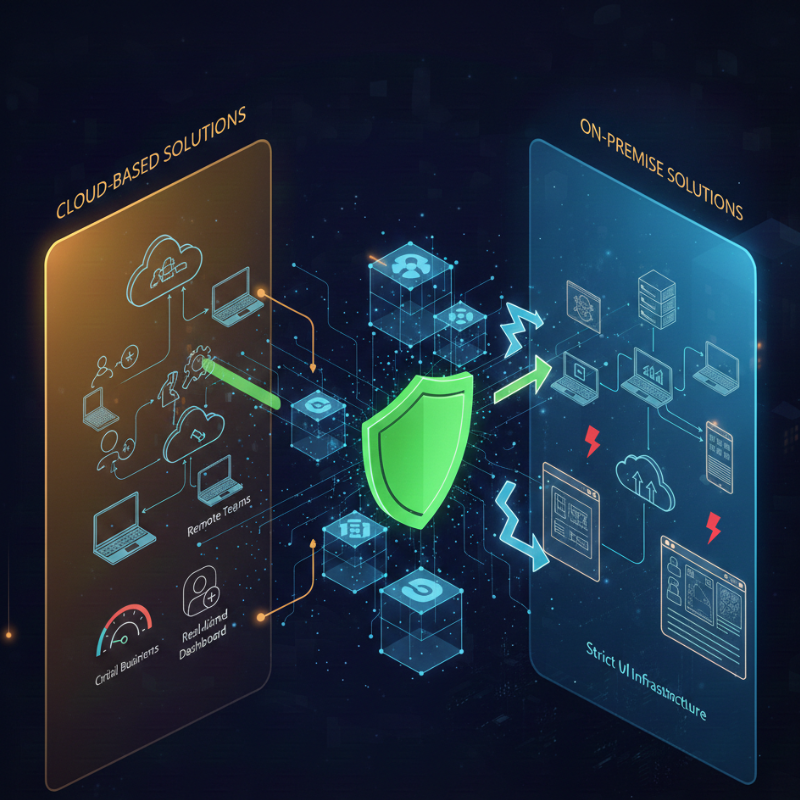
Cloud-based cybersecurity software has gained popularity due to its flexibility and ease of management. It’s ideal for remote teams, startups, and businesses that want real-time updates and centralized dashboards.
On-premise solutions, while more traditional, may suit organizations with strict compliance or data control requirements. The right choice depends on your operational model and regulatory needs.
Compliance and Industry Standards
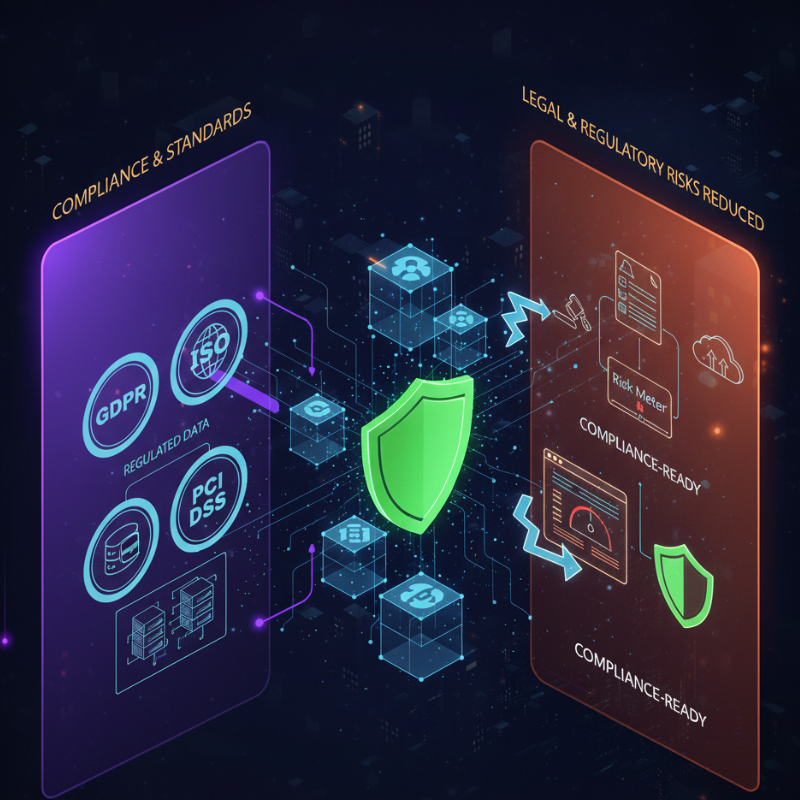
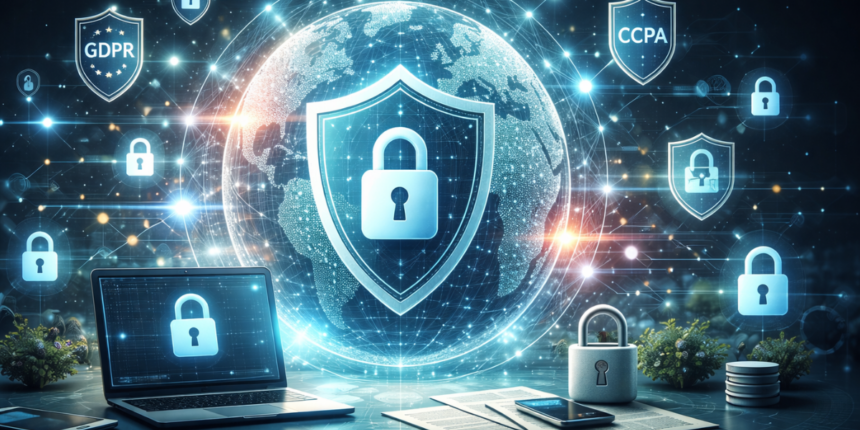
If you operate in regulated industries such as finance, healthcare, or e-commerce, compliance matters. Cybersecurity software should support standards like GDPR, ISO, or PCI DSS where applicable.
Compliance-ready tools not only protect data but also reduce legal and regulatory risks.
Budget vs. Value
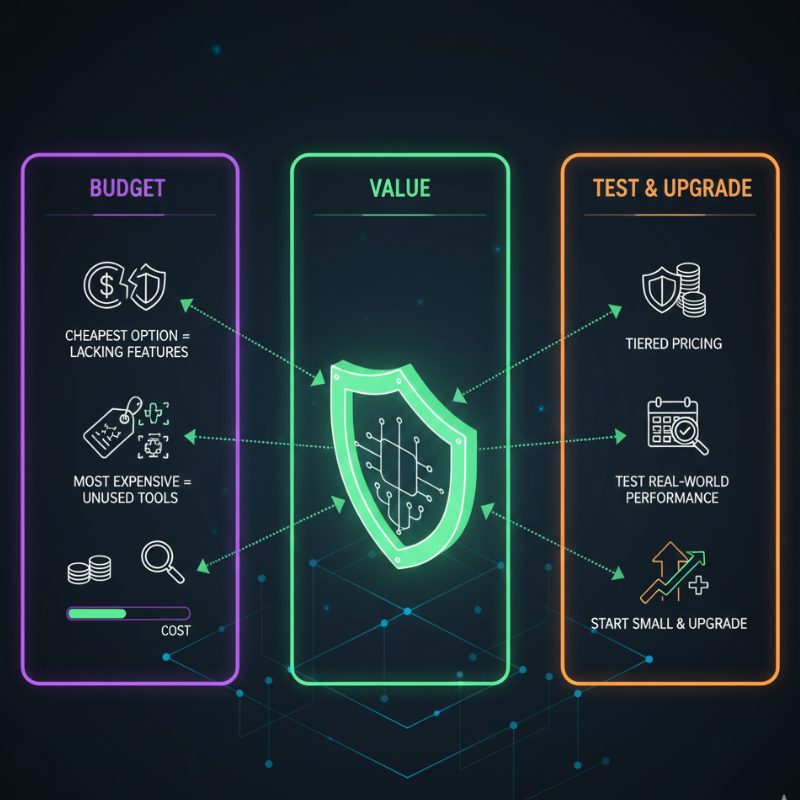
Cost is an important factor, but it shouldn’t be the deciding one. The cheapest option often lacks essential features, while the most expensive may include tools you’ll never use.
Focus on value—what protection you get for the price. Many providers offer tiered pricing, allowing you to start small and upgrade as needed. Free trials are also a smart way to test real-world performance before committing.
Vendor Reputation and Support
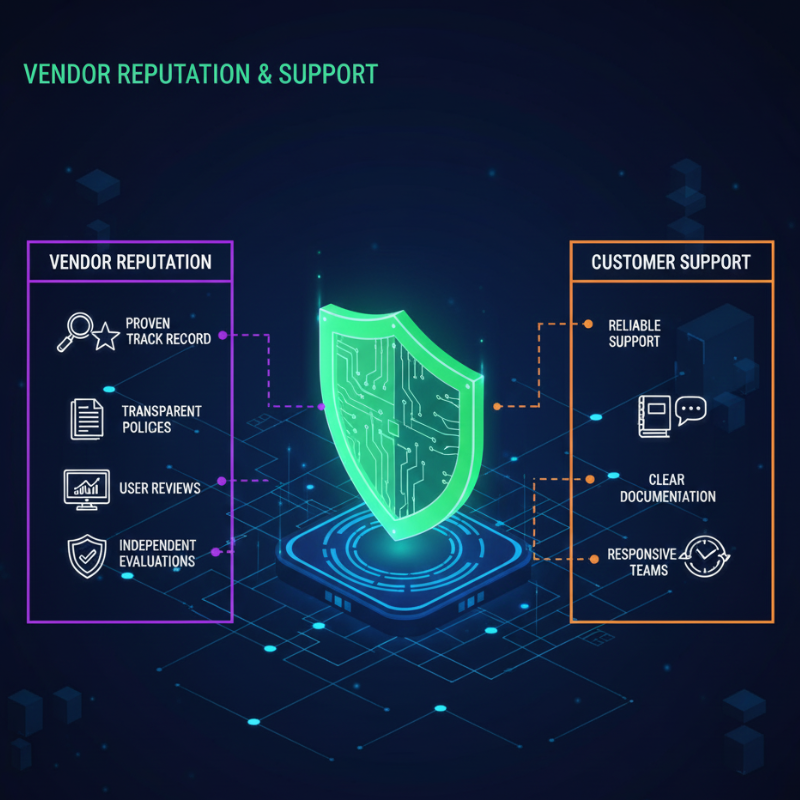
Cybersecurity is not a “set and forget” solution. Reliable customer support, clear documentation, and a strong vendor reputation matter.
Look for providers with a proven track record, transparent policies, and responsive support teams. User reviews and independent security evaluations can offer useful insights.
Final Thoughts
Choosing the right cybersecurity software is about balance—between protection and usability, cost and value, and simplicity and scalability. There’s no one-size-fits-all solution, but a thoughtful approach makes the decision far easier.
At Your Tech Digest, we believe smart technology choices start with understanding, not assumptions. Explore more practical guides, software insights, and tech trends on our platform—and stay one step ahead in an increasingly digital world.