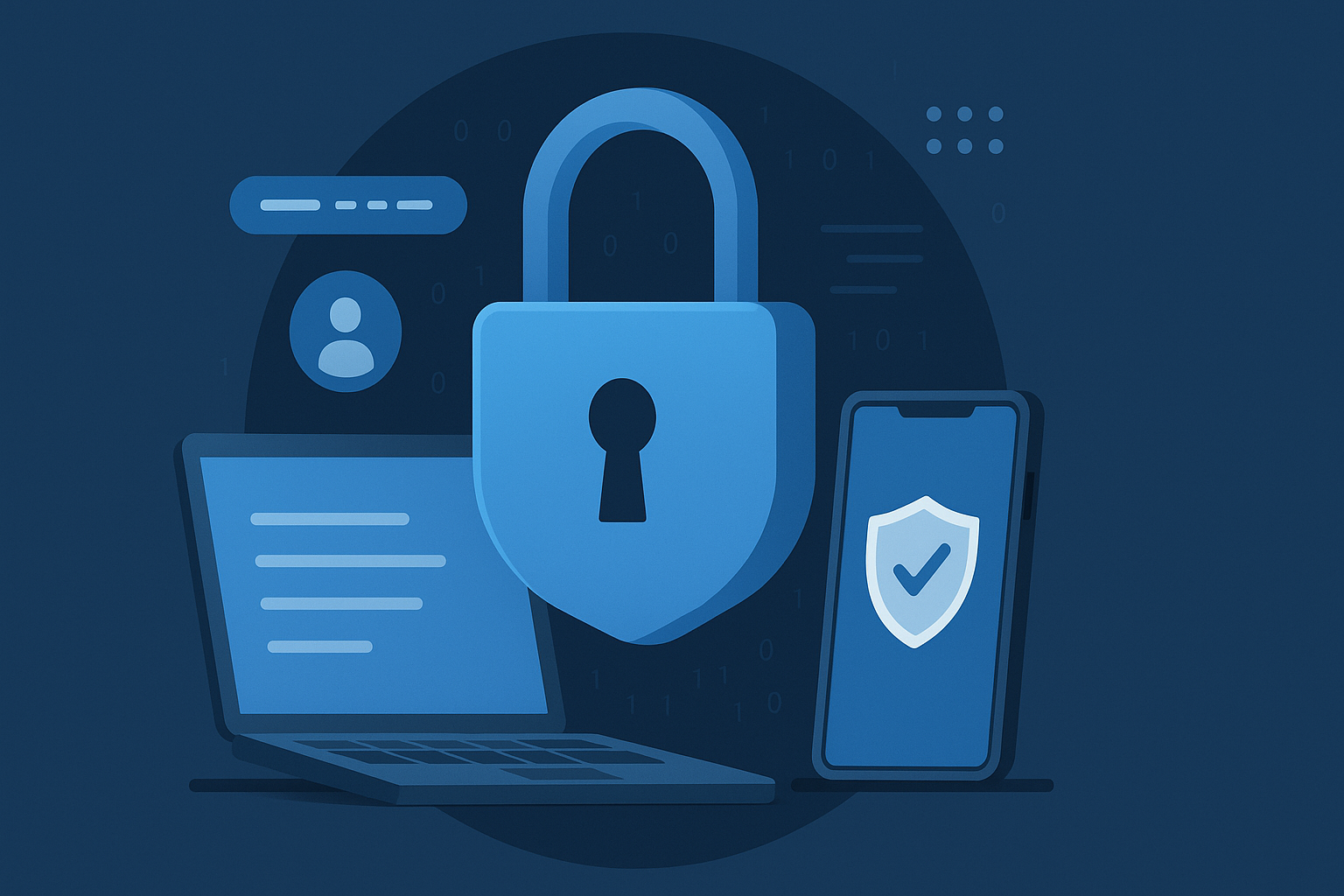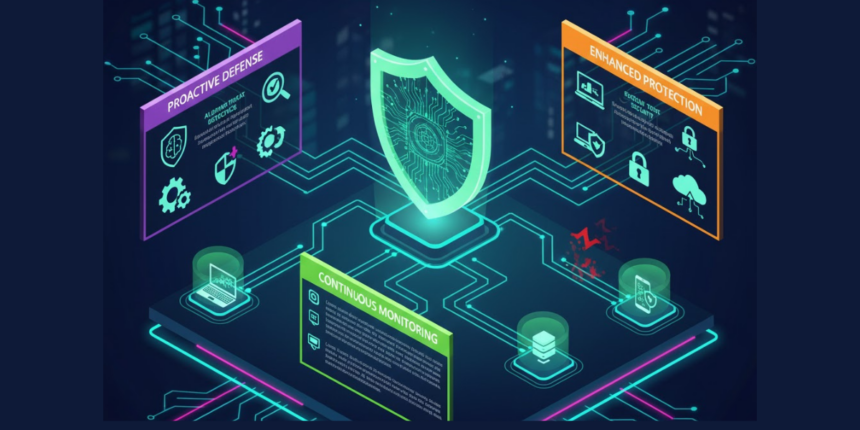








Cyber threats have evolved rapidly over the past decade, moving far beyond simple viruses and basic hacking attempts. Today’s digital landscape is shaped by cloud computing, remote work, connected devices, and data-driven operations—all of which create new opportunities for cybercriminals. For businesses and individuals alike, understanding modern cyber threats is essential to staying secure in an increasingly connected world.
Cybersecurity is no longer just a technical concern for IT teams. It is a strategic priority that directly affects trust, operations, compliance, and long-term growth. By understanding how modern threats work and adopting practical security solutions, organizations can significantly reduce risk and respond more effectively when incidents occur.
The Evolving Nature of Cyber Threats

Modern cyber threats are more sophisticated, targeted, and persistent than ever before. Attackers no longer rely solely on brute-force techniques. Instead, they combine social engineering, automation, and advanced malware to exploit human behavior and system weaknesses.
One major shift is the rise of targeted attacks. Rather than attacking random systems, cybercriminals carefully research their targets—studying company structures, vendors, and employee roles. This allows them to craft convincing phishing emails, impersonate trusted contacts, or exploit misconfigured systems with precision.
Another key trend is attack automation. Tools powered by scripts and AI enable attackers to scan thousands of systems simultaneously for vulnerabilities, making even small organizations potential targets.
Common Modern Cyber Threats to Watch
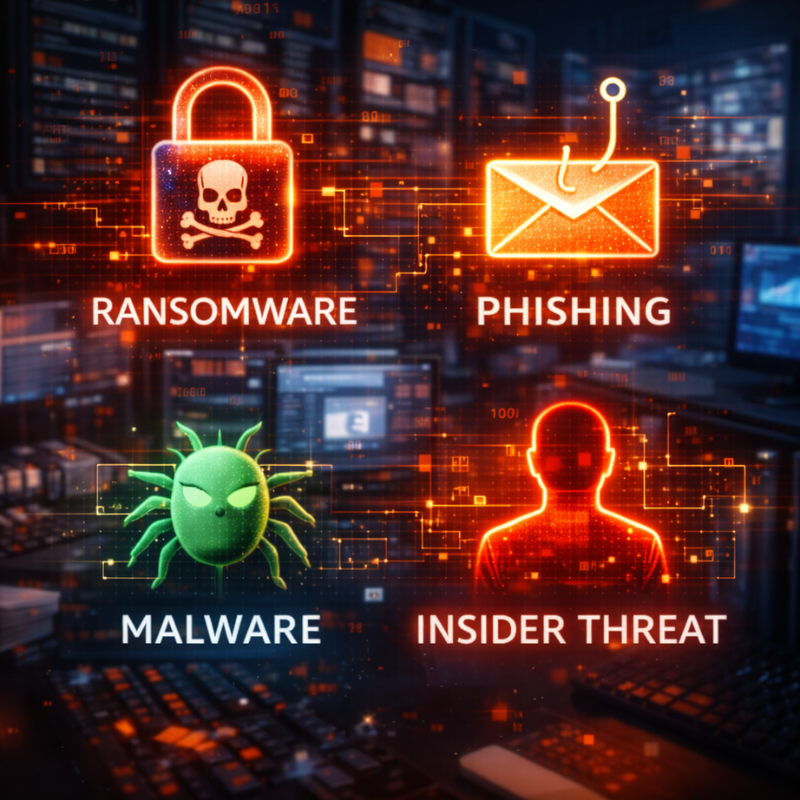
While new threats emerge constantly, several attack types continue to dominate the cybersecurity landscape.


Phishing and Social Engineering
 Phishing attacks remain one of the most effective entry points for cybercriminals. These attacks manipulate users into clicking malicious links, downloading infected files, or sharing sensitive credentials. Modern phishing campaigns often look highly professional and may impersonate executives, service providers, or internal departments.
Ransomware
 Ransomware encrypts critical data and demands payment for its release. These attacks can halt business operations entirely, leading to financial losses, reputational damage, and regulatory consequences. Ransomware groups increasingly target backups and cloud environments to maximize leverage.
Malware and Spyware
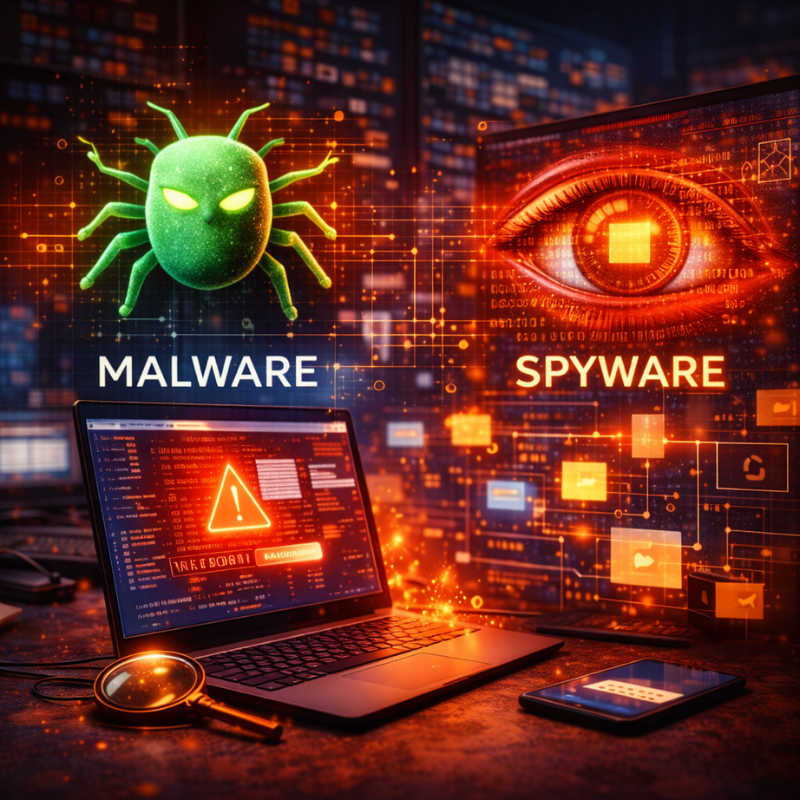 Malware includes a broad range of threats designed to steal data, monitor activity, or disrupt systems. Spyware, in particular, can operate silently for long periods, collecting sensitive information without triggering immediate alarms.
Insider Threats
 Not all threats originate outside an organization. Insider threats—whether malicious or accidental—occur when employees, contractors, or partners misuse access privileges. These incidents are especially dangerous because insiders often have legitimate access to sensitive systems.
Cloud Security Misconfigurations
 As organizations move to cloud platforms, misconfigured storage, unsecured APIs, and improper access controls have become common causes of data breaches. These issues are often the result of human error rather than technical failure.
Supply Chain Attacks
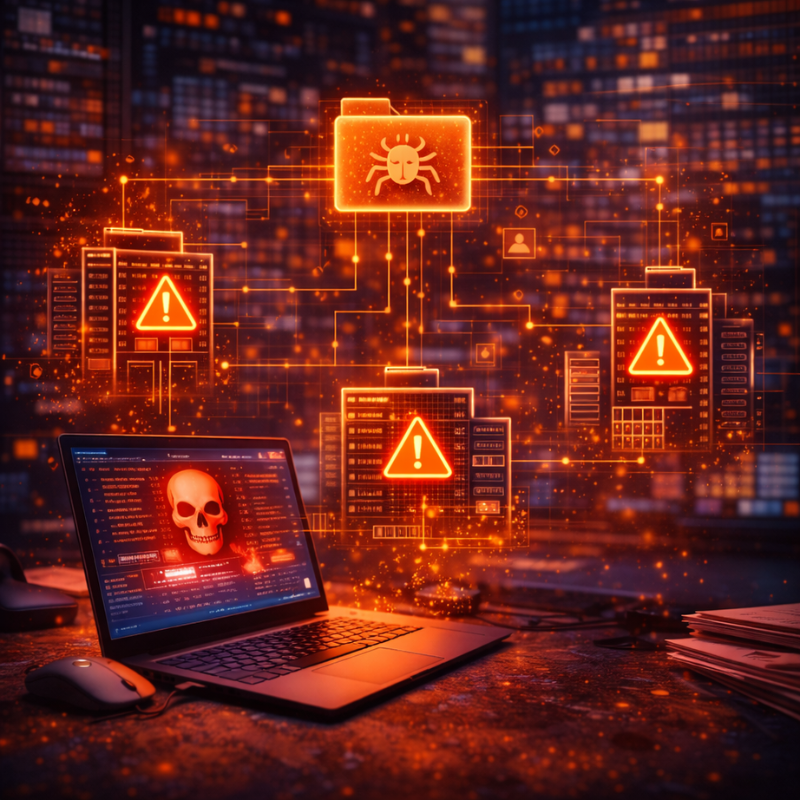 Supply chain attacks exploit trusted third-party vendors or software providers to gain access to multiple organizations at once. These attacks are difficult to detect and can have widespread impact across industries.
Practical Security Solutions That Actually Work

While cyber threats may seem overwhelming, effective security does not require overly complex systems. Practical, well-implemented solutions can dramatically reduce risk.
Security Awareness Training
 Human error is one of the leading causes of security incidents. Regular training helps employees recognize phishing attempts, suspicious behavior, and risky actions. Awareness turns staff into an active layer of defense rather than a vulnerability.
Strong Identity and Access Management
 Enforcing strong passwords, using password managers, and enabling multi-factor authentication (MFA) are some of the most effective ways to prevent unauthorized access. Limiting access based on roles ensures users only have the permissions they need.
Regular Updates and Patch Management
 Outdated software is a common entry point for attackers. Keeping operating systems, applications, and devices up to date closes known vulnerabilities before they can be exploited.
Reliable Backup and Recovery Plans

Regular, offline backups are essential for ransomware protection. A tested recovery plan ensures businesses can restore operations quickly without paying attackers.
Endpoint and Network Monitoring
 Security tools that monitor endpoints and network activity can detect unusual behavior early. Early detection reduces the impact of breaches and helps teams respond before damage spreads.
Clear Policies and Incident Response Plans
 Documented security policies and response plans provide clarity during high-pressure situations. Knowing who does what during a security incident saves time and reduces confusion.
Building a Long-Term Cybersecurity Mindset

Cybersecurity is not a one-time project—it is an ongoing process. Threats evolve, technology changes, and businesses grow. Organizations that treat security as a continuous improvement cycle are far better positioned to handle future challenges.
A strong cybersecurity posture combines technology, people, and processes. It prioritizes prevention, detection, and response equally, rather than relying on a single solution. Most importantly, it aligns security practices with real-world business needs.
Final Thoughts
Understanding modern cyber threats is the first step toward protecting digital assets, customer trust, and business continuity. While attackers continue to evolve their tactics, practical security solutions—when applied consistently—can dramatically reduce risk.
At Your Tech Digest, we break down complex technology topics into clear, actionable insights. If you want to stay informed about cybersecurity trends, emerging threats, and smart digital practices, explore more of our content and make informed decisions in today’s connected world.