







Cybersecurity is no longer just an IT concern—it has become a core business priority. As companies rely more heavily on digital tools, cloud platforms, and remote work environments, cyber threats have grown in both frequency and sophistication. For businesses of all sizes, understanding today’s most common cyber risks is the first step toward building effective defenses and protecting long-term growth.
Below are the top cyber threats currently facing businesses and the practical steps organizations can take to prevent them.
1. Phishing Attacks

Phishing remains one of the most widespread and effective cyber threats. These attacks typically arrive via email, messaging apps, or fake websites, tricking employees into clicking malicious links or sharing sensitive information such as login credentials or payment details.
Modern phishing attacks are highly convincing, often impersonating trusted brands, executives, or vendors. Some campaigns even use personalization and urgency to increase success rates.
How to prevent it:
- Train employees regularly to recognize phishing attempts.
- Use email filtering and anti-phishing tools
- Enable multi-factor authentication (MFA) to limit damage if credentials are compromised.
2. Ransomware Attacks

Ransomware attacks encrypt business data and demand payment in exchange for restoration. These attacks can shut down operations, disrupt supply chains, and cause significant financial and reputational damage.

Small and mid-sized businesses are increasingly targeted because attackers assume they have weaker security controls and limited recovery plans.
How to prevent it:
- Maintain regular, offline backups of critical data
- Keep operating systems and software updated.
- Limit user access rights and monitor unusual activity
- Use endpoint detection and response (EDR) solutions
3. Malware and Spyware

Malware includes viruses, trojans, spyware, and other malicious software designed to steal data, monitor activity, or disrupt systems. Malware often enters through infected downloads, compromised websites, or outdated applications.
Once inside a network, malware can remain undetected for long periods, quietly collecting sensitive information.
How to prevent it:
- Install reputable antivirus and anti-malware software.
- Avoid downloading software from unverified sources.
- Regularly update systems and applications
- Restrict installation privileges on company devices
4. Insider Threats

Not all cyber threats come from outside an organization. Insider threats can involve current or former employees, contractors, or partners who intentionally or accidentally expose sensitive data.
These threats are particularly dangerous because insiders often have legitimate access to systems and information.
How to prevent it:
- Apply the principle of least privilege
- Monitor access logs and user behavior
- Implement clear security policies and offboarding procedures
- Educate employees on data handling best practices
5. Weak Passwords and Credential Theft

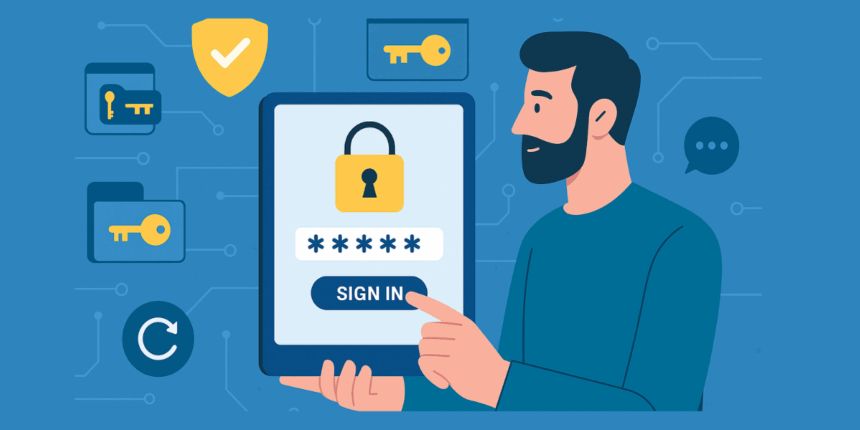
Poor password hygiene remains a major vulnerability for businesses. Reused, simple, or shared passwords make it easier for attackers to gain unauthorized access through credential stuffing or brute-force attacks.
Once attackers gain access to one account, they often move laterally across systems.
How to prevent it:
- Enforce strong password policies
- Use password managers across the organization
- Enable multi-factor authentication for all critical systems
- Regularly audit user accounts and access permissions.
6. Cloud Security Misconfigurations

As more businesses move data and applications to the cloud, misconfigured settings have become a common security issue. Publicly exposed storage, unsecured APIs, and improper access controls can lead to data breaches.
Cloud security failures are often caused by human error rather than technical flaws.
How to prevent it:
- Review cloud configurations regularly.
- Use cloud security posture management (CSPM) tools
- Limit access to cloud resources based on role
- Ensure shared responsibility models are clearly understood
7. Supply Chain Attacks

Supply chain attacks target third-party vendors or software providers to gain access to multiple organizations at once. By compromising a trusted partner, attackers can bypass traditional security measures.
These attacks can be difficult to detect and often have widespread impact.
How to prevent it:
- Vet vendors for security standards and compliance
- Limit third-party access to internal systems
- Monitor integrations and software updates closely
- Include cybersecurity requirements in vendor contracts
Building a Proactive Cybersecurity Strategy
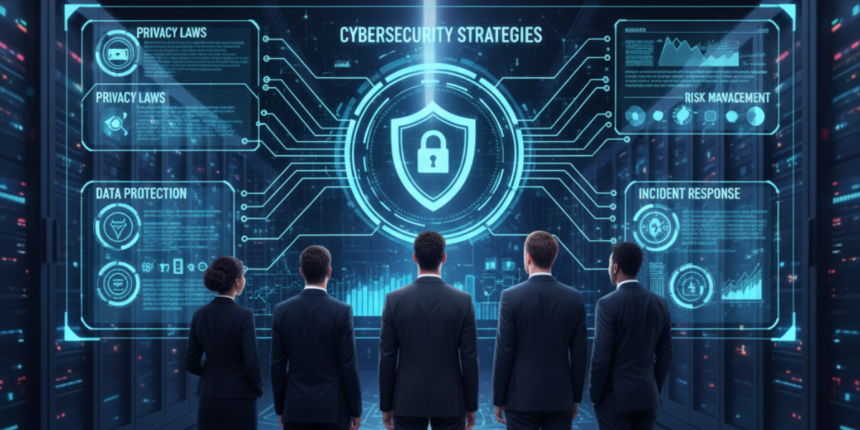
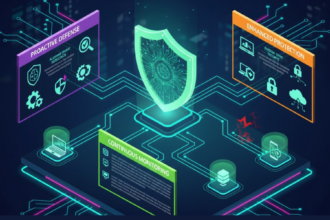
Preventing cyber threats requires more than isolated tools or reactive responses. Businesses need a proactive, layered approach that combines technology, processes, and people.
Key elements of a strong cybersecurity strategy include:
- Regular risk assessments
- Employee awareness and training
- Incident response and recovery planning
- Continuous monitoring and improvement
Cybersecurity is not a one-time investment—it is an ongoing process that evolves alongside new threats and technologies.
Final Thoughts
Cyber threats are growing more complex, but businesses that stay informed and proactive can significantly reduce their risk. By understanding the most common attack methods and implementing practical prevention strategies, organizations can protect their data, maintain customer trust, and support long-term digital growth.
At Your Tech Digest, we explore the technologies and strategies shaping the digital world. If you want to stay ahead of emerging cyber threats and make smarter tech decisions for your business, explore more insights across our platform and keep your security knowledge up to date.
.