







Health and fitness tracking has come a long way from basic pedometers and manual workout logs. Today, smart wearables are reshaping how people understand their bodies, monitor daily activity, and make informed lifestyle choices. From smartwatches and fitness bands to rings and sensor-enabled accessories, wearable technology has become a trusted companion in modern health management.
As these devices continue to evolve, they are transforming fitness tracking into a more personalized, data-driven, and proactive experience.
Real-Time Health Insights at Your Fingertips
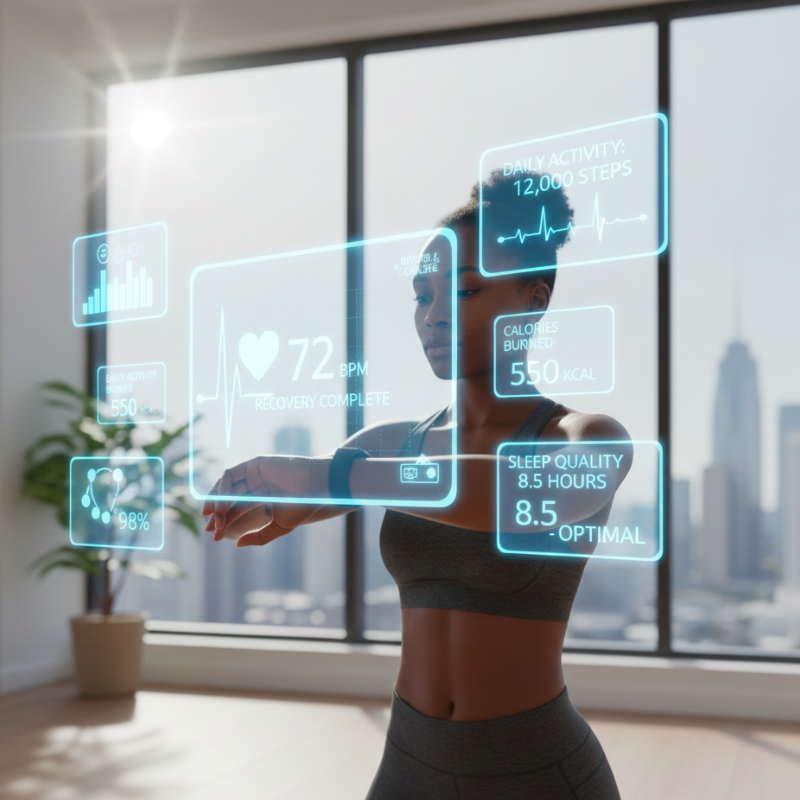
One of the biggest advantages of smart wearables is their ability to deliver real-time health data. Users can instantly check metrics such as heart rate, steps, calories burned, blood oxygen levels, and sleep duration—all from their wrists or fingertips.
This immediacy encourages awareness. Instead of guessing how active or rested they are, users gain a clear picture of their daily habits. Over time, these insights help identify trends, making it easier to adjust routines for better health outcomes.
For many users, wearables serve as daily reminders to move more, sleep better, and stay consistent with wellness goals.
Personalized Fitness Tracking and Goal Setting
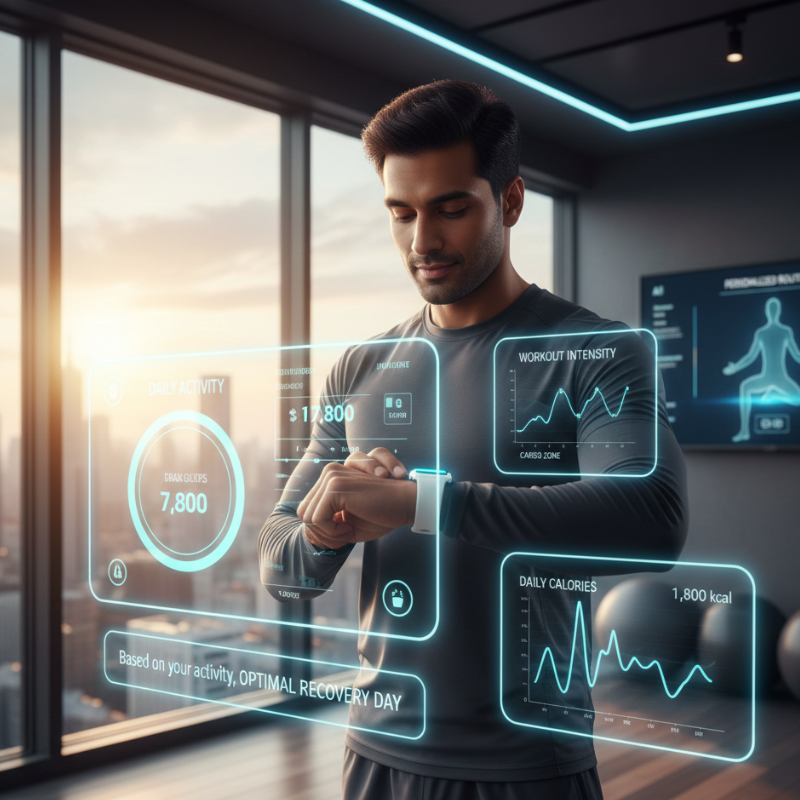
Smart wearables have shifted fitness tracking from generic benchmarks to personalized experiences. Modern devices analyze user data to create custom activity goals based on age, fitness level, and daily behavior.

Whether it’s setting step targets, tracking workout intensity, or suggesting recovery days, wearables adapt to individual needs. This personalization reduces burnout and promotes sustainable fitness habits rather than short-term motivation spikes.
By aligning goals with real-world behavior, smart wearables make fitness tracking more realistic and achievable.
Smarter Workouts with Advanced Sensors

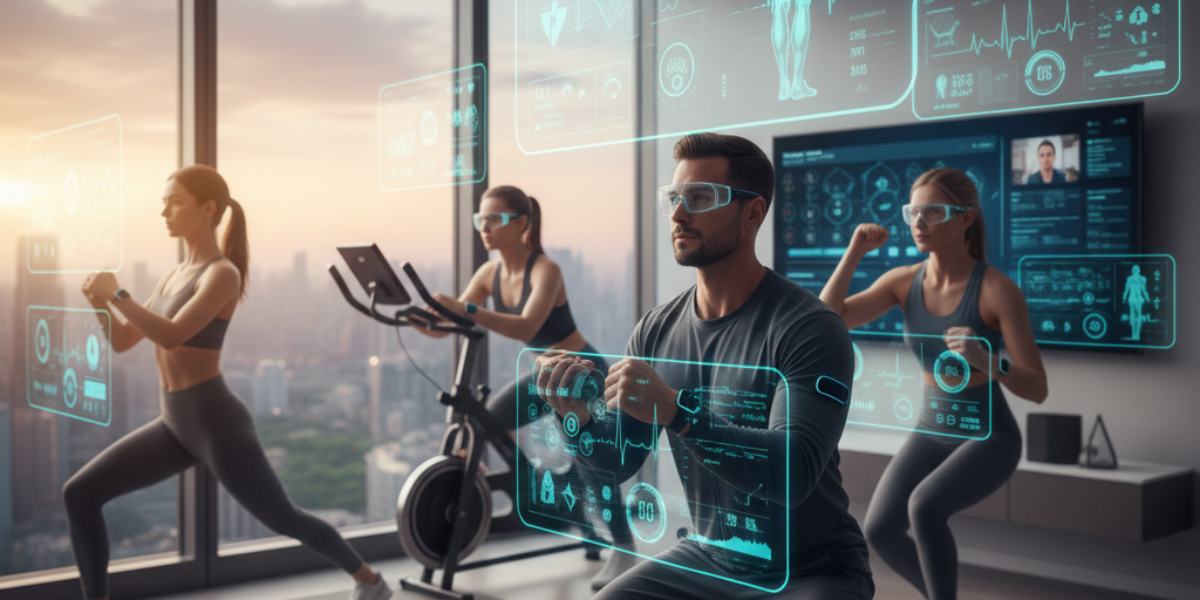
Today’s wearables are equipped with sophisticated sensors that track far more than basic movement. Accelerometers, gyroscopes, GPS, and optical heart sensors work together to deliver detailed workout analytics.
Runners can analyze pace, distance, cadence, and route maps. Strength trainers can monitor reps, sets, and rest intervals. Even activities like swimming, cycling, and yoga are now accurately tracked.
These insights allow users to refine techniques, monitor progress, and train more efficiently without relying solely on external equipment or professional supervision.
Sleep Tracking and Recovery Awareness
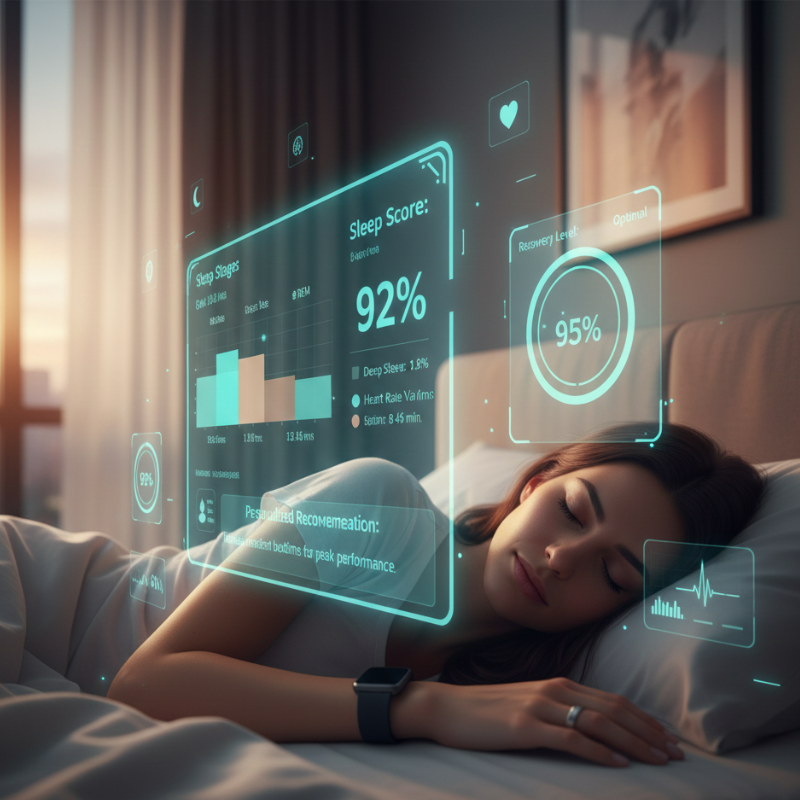
Fitness is not just about movement—it’s also about recovery. Smart wearables have brought sleep tracking into mainstream health monitoring, helping users understand how rest affects performance and well-being.
Wearables now track sleep stages, duration, consistency, and even disturbances. Some devices offer sleep scores and personalized recommendations to improve rest quality.
By highlighting the connection between sleep and physical performance, wearables encourage a more balanced approach to fitness—one that values recovery as much as activity.
Stress Monitoring and Mental Wellness
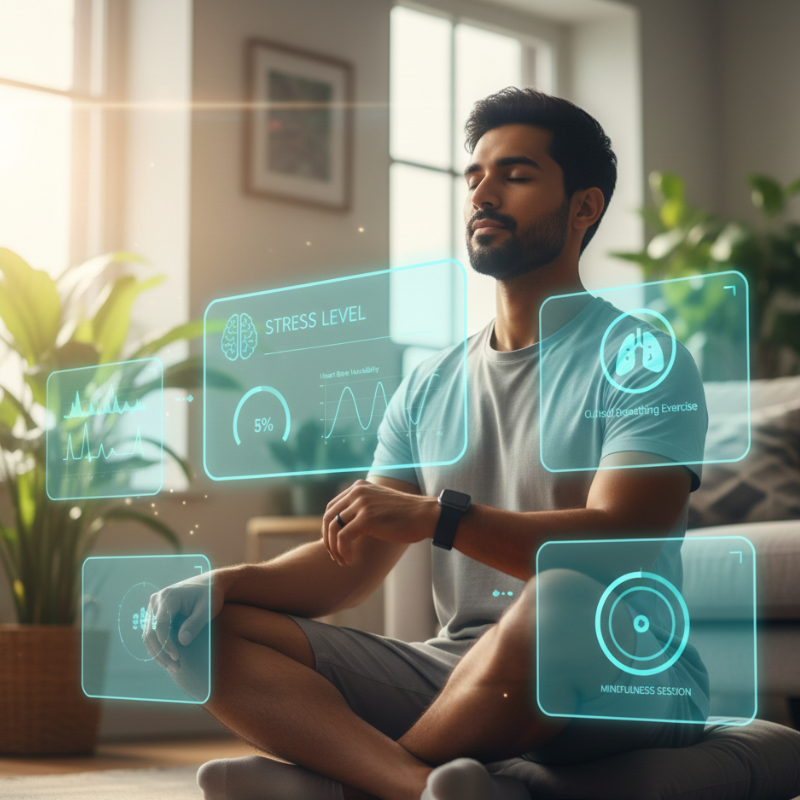
An emerging focus in health tracking is mental well-being. Many smart wearables now include stress monitoring features that analyze heart rate variability and activity patterns.
These devices can alert users to elevated stress levels and suggest breathing exercises, short walks, or mindfulness sessions. This integration of mental wellness into fitness tracking reflects a more holistic understanding of health.
By addressing both physical and emotional factors, smart wearables help users build healthier routines that support overall well-being.
Long-Term Health Trends and Preventive Care

One of the most powerful aspects of smart wearables is their ability to collect long-term health data. Over weeks and months, wearables identify patterns that may go unnoticed in daily tracking.
Consistent data can reveal changes in resting heart rate, sleep quality, or activity levels—early indicators of potential health concerns. While wearables are not medical devices, they often prompt users to seek professional advice sooner rather than later.
This shift toward preventive health awareness is changing how people engage with their own well-being.
Integration with Health Apps and Ecosystems
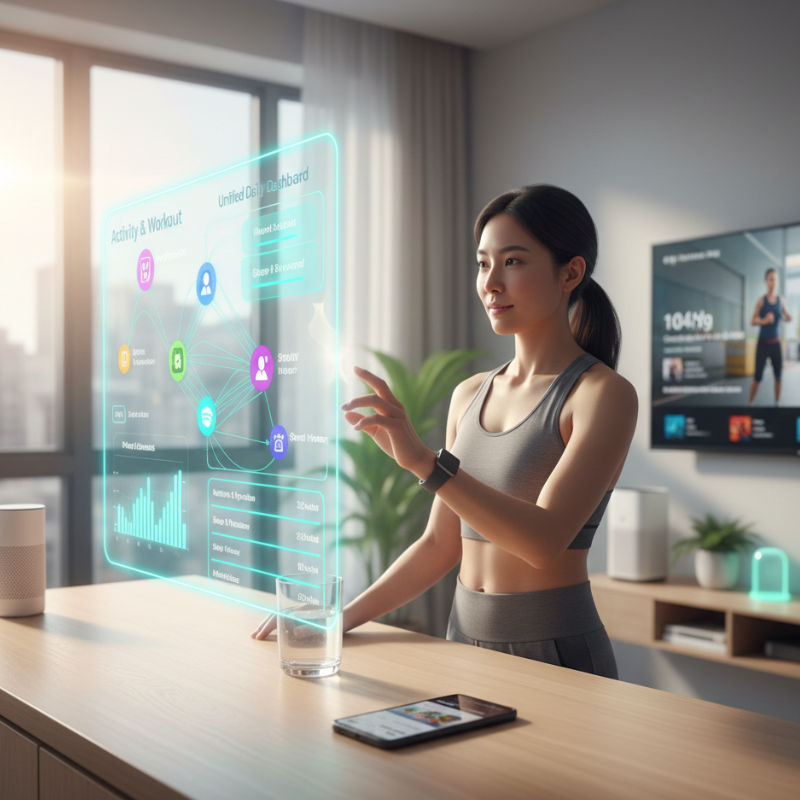
Smart wearables rarely work in isolation. They sync seamlessly with health and fitness apps, creating unified dashboards that track progress across multiple activities.
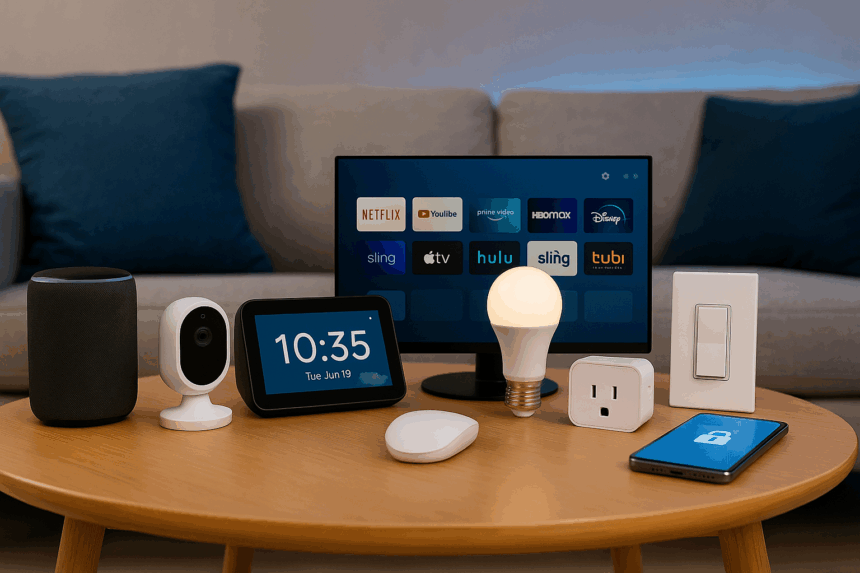
Integration with nutrition apps, workout platforms, and smart home devices further enhances the user experience. This connected ecosystem allows users to manage health goals in one place, making tracking more efficient and motivating.
As ecosystems expand, wearables are becoming central hubs in personal health management.
Motivation Through Feedback and Gamification

Staying motivated is one of the biggest challenges in fitness, and smart wearables address this through feedback and gamification. Achievement badges, streaks, reminders, and progress reports help maintain engagement over time.
Friendly competition, social sharing, and community challenges also encourage consistency. These features transform fitness tracking into an interactive experience rather than a routine task.
By making health tracking engaging, wearables support long-term commitment to active lifestyles.
The Future of Health & Fitness Tracking

Smart wearables are redefining how people approach health and fitness. With continuous improvements in sensor accuracy, battery life, and AI-driven insights, these devices are becoming more reliable and valuable.
As wearables evolve, they will likely play an even greater role in personalized healthcare, preventive monitoring, and daily wellness management.
For users, the shift is clear: health and fitness tracking is no longer reactive—it’s proactive, informed, and seamlessly integrated into everyday life.
To stay updated on the latest innovations in wearable technology and smart health devices, explore more insights at Your Tech Digest.