










In an era where users expect constant updates, fast bug fixes, and seamless performance, software teams can no longer rely on slow, manual release processes. Delayed deployments, last-minute errors, and stressful release days are common symptoms of outdated development workflows. This is exactly why CI/CD pipelines have become a core component of modern software delivery.
Continuous Integration and Continuous Deployment (CI/CD) pipelines help teams move faster without compromising quality. By automating testing, builds, and deployments, CI/CD creates a reliable system that allows software to evolve continuously and confidently.
What Is a CI/CD Pipeline?

A CI/CD pipeline is an automated workflow that moves code changes from development to production in a structured, repeatable way. Every time a developer commits code, the pipeline runs a series of automated steps designed to validate, test, and deploy that change.
A typical CI/CD pipeline includes:
- Code integration
- Automated testing
- Build creation
- Deployment to staging or production
- Monitoring and feedback
Instead of relying on manual handoffs and human checks, CI/CD ensures consistency across every release.
Speed: Delivering Software Faster Than Ever

1. Faster Feedback Loops
One of the biggest advantages of CI/CD pipelines is speed through early feedback. Automated tests run as soon as code is committed, alerting developers to issues within minutes rather than days.



This rapid feedback allows teams to:
- Fix bugs immediately
- Avoid compounding errors
- Maintain steady development momentum
The faster issues are detected, the cheaper and easier they are to resolve.
2. Smaller, More Frequent Releases
Traditional release cycles often bundle weeks or months of changes into one large deployment. CI/CD pipelines encourage small, frequent releases, making each update easier to manage.
Smaller releases mean:
- Faster deployments
- Reduced risk of failure
- Easier rollbacks when issues arise
Instead of waiting for a “perfect” release, teams continuously deliver improvements.
3. Automation Eliminates Bottlenecks
Manual deployments slow teams down and introduce human error. CI/CD pipelines automate repetitive tasks such as testing, building, and deploying, allowing developers to focus on writing quality code instead of managing releases.
Automation ensures that releases happen quickly, consistently, and without unnecessary delays.
Quality: Building More Reliable Software

Speed alone isn’t enough—quality matters just as much. CI/CD pipelines significantly improve software quality by enforcing discipline and consistency throughout the development process.
1. Automated Testing at Every Stage
CI/CD pipelines integrate automated testing into every step of development. Unit tests, integration tests, and regression tests run automatically, ensuring new changes don’t break existing functionality.
This leads to:
- Higher code reliability
- Fewer bugs reaching production
- Increased confidence in every release
Testing becomes a continuous process, not a last-minute checklist.
2. Consistent Environments Reduce Errors
One common cause of production issues is environment inconsistency—code works in development but fails in production. CI/CD pipelines standardize environments, ensuring the same configurations are used throughout testing and deployment.
Consistency reduces:
- Configuration drift
- Deployment surprises
- Environment-specific bugs
As a result, software behaves predictably across all stages.
3. Easier Rollbacks and Recovery
Even with strong testing, issues can still occur. CI/CD pipelines make it easier to roll back changes quickly by maintaining versioned builds and deployment history.
If a problem arises:
- Teams can revert to a stable version instantly.
- Downtime is minimized.
- Customer impact is reduced
This safety net is critical for maintaining trust and reliability.
CI/CD Improves Team Collaboration

CI/CD pipelines don’t just benefit code—they improve how teams work together. Developers, testers, and operations teams all share visibility into the same workflow.
This shared responsibility:
- Reduces miscommunication
- Aligns teams around common goals
- Encourages accountability
With clear pipelines and transparent results, collaboration becomes smoother and more efficient.
Scalability for Growing Applications

As applications grow in complexity, manual processes struggle to keep up. CI/CD pipelines scale naturally with software growth, supporting microservices, cloud platforms, and distributed systems.
CI/CD helps teams:
- Deploy multiple services independently
- Handle increased release frequency
- Support rapid feature expansion
This scalability makes CI/CD essential for modern, cloud-based applications.
Business Benefits of Faster and Higher-Quality Delivery

The impact of CI/CD pipelines extends beyond engineering teams. Faster, more reliable software delivery creates real business value.
Organizations using CI/CD often experience:
- Faster time to market
- Reduced operational costs
- Improved customer satisfaction
- Greater ability to innovate
By delivering updates consistently, businesses can respond quickly to user feedback and market demands.
Overcoming CI/CD Adoption Challenges
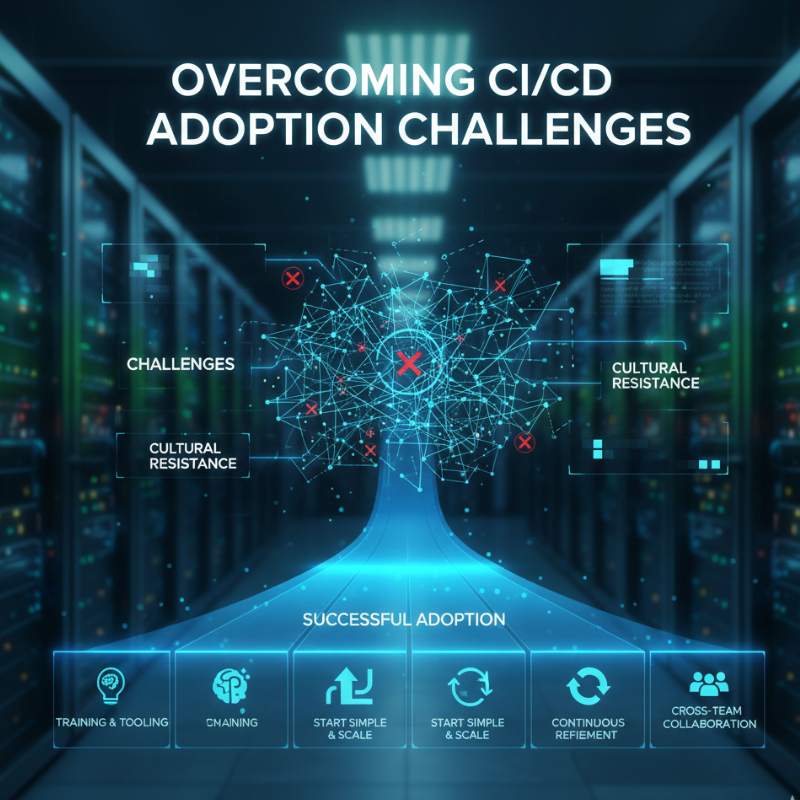
While CI/CD offers clear advantages, adoption requires thoughtful planning. Teams may face challenges such as skill gaps, cultural resistance, or poorly designed pipelines.
Successful adoption involves:
- Investing in training and tooling
- Starting with simple pipelines and scaling gradually
- Continuously refining workflows
- Encouraging collaboration across teams
CI/CD is not a one-time setup—it’s an evolving process that improves over time.
Final Thoughts
CI/CD pipelines have transformed how software is built and delivered. By combining automation, continuous testing, and consistent deployment practices, CI/CD enables teams to move faster while maintaining high quality.
In a competitive digital landscape, the ability to deliver reliable software quickly is no longer a luxury—it’s a necessity. Teams that embrace CI/CD pipelines gain a clear advantage, building software that is not only faster to release but also more stable, scalable, and user-focused.
If you’re exploring ways to improve your development workflow, adopting CI/CD pipelines is a powerful step toward delivering better software with confidence—release after release.