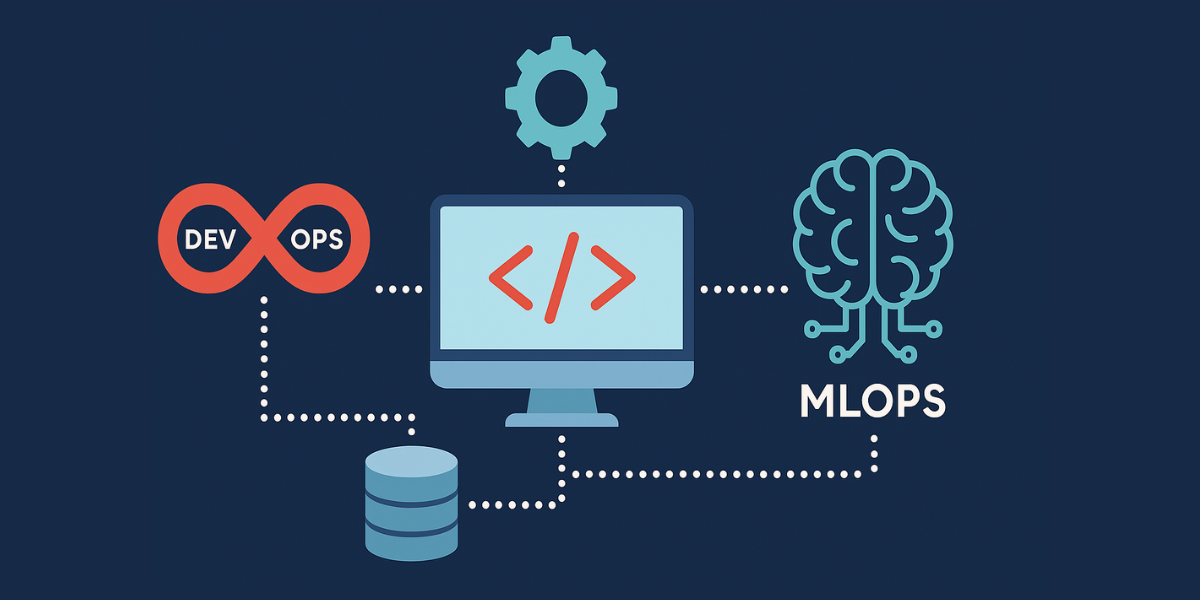










In today’s fast-moving digital world, software users expect applications to be fast, secure, and constantly improving. Whether it’s a mobile app, SaaS platform, or enterprise system, long release cycles and unstable updates are no longer acceptable. This is where DevOps and CI/CD come into play—two closely connected practices that have reshaped how modern software is built, tested, and delivered.
For businesses and development teams alike, understanding DevOps and CI/CD is no longer optional. It’s a foundational shift toward speed, reliability, and continuous improvement.
What Is DevOps?

DevOps is a set of practices, tools, and cultural philosophies that bring development and operations teams closer together. Traditionally, developers focused on building features while operations teams handled deployment and infrastructure. This separation often led to delays, miscommunication, and failed releases.
DevOps breaks down these silos by encouraging collaboration, shared responsibility, and automation across the entire software lifecycle. The goal is simple: deliver better software, faster, and with fewer errors.
Key principles of DevOps include:
- Collaboration between development and operations
- Automation of repetitive tasks
- Continuous monitoring and feedback
- Faster release cycles with improved stability
Understanding CI/CD: The Core of Modern DevOps

CI/CD stands for Continuous Integration and Continuous Deployment (or Delivery). It’s a practical implementation of DevOps principles that focuses specifically on how code changes move from development to production.



Continuous Integration (CI)
Continuous integration ensures that developers frequently merge code changes into a shared repository. Each update is automatically tested, helping teams catch bugs early before they grow into larger problems.
Benefits of CI include:
- Early detection of errors
- Improved code quality
- Faster development cycles
- Reduced integration conflicts
Continuous Deployment/Delivery (CD)
Continuous deployment or delivery automates the process of releasing software after it passes testing. Instead of manual deployments, updates move through staging and production pipelines with minimal human intervention.
This leads to:
- Faster and more reliable releases
- Reduced downtime
- Consistent deployment processes
- Improved user experience
How DevOps and CI/CD Work Together

DevOps provides the culture and mindset, while CI/CD delivers the technical execution. Together, they create a streamlined workflow where software can be built, tested, and released continuously.
In a typical DevOps CI/CD pipeline:
- Developers write and commit code.
- Automated tests validate the changes.
- Builds are created automatically.
- Code is deployed to staging or production.
- Monitoring tools track performance and issues
This cycle repeats continuously, allowing teams to respond quickly to user feedback and changing requirements.
Building Faster Software Without Sacrificing Quality

One common misconception is that faster releases lead to lower quality. In reality, DevOps and CI/CD improve both speed and reliability.
Automation removes human error from testing and deployment. Standardized pipelines ensure consistency across environments. Frequent releases mean smaller changes, making bugs easier to identify and fix.
As a result, teams can:
- Release features more frequently
- Roll back updates quickly if issues arise
- Maintain higher system stability
- Reduce stress during deployments
Improving Reliability Through Automation and Monitoring

Reliability is a major reason companies adopt DevOps and CI/CD. Automated testing ensures that code behaves as expected before reaching users. Infrastructure automation reduces configuration issues between environments.
Modern DevOps practices also emphasize continuous monitoring. Performance metrics, error logs, and user behavior data provide real-time insights into system health. When issues occur, teams can respond immediately—often before users even notice a problem.
DevOps and CI/CD in Cloud and Microservices Environments

The rise of cloud computing and microservices has made DevOps and CI/CD even more important. Cloud platforms allow teams to scale infrastructure on demand, while microservices enable applications to be built as smaller, independent components.
CI/CD pipelines help manage this complexity by:
- Automating deployments across multiple services
- Ensuring consistent environments
- Supporting rapid scaling and updates
- Reducing dependency-related failures
Tools like containerization and orchestration platforms integrate seamlessly into DevOps workflows, further improving flexibility and reliability.
Business Benefits Beyond Development Teams

DevOps and CI/CD don’t just help developers—they deliver measurable business value.
Organizations that adopt these practices often see:
- Faster time to market
- Lower development and operational costs
- Improved customer satisfaction
- Greater ability to innovate
By releasing updates more frequently and reliably, businesses can respond to market changes faster and stay ahead of competitors.
Common Challenges and How Teams Overcome Them

While DevOps and CI/CD offer many benefits, adoption does come with challenges. Cultural resistance, lack of skills, and poorly designed pipelines can slow progress.
Successful teams address these issues by:
- Investing in training and tooling
- Encouraging collaboration across teams
- Starting small and scaling gradually
- Continuously refining pipelines
DevOps is not a one-time setup—it’s an ongoing process of improvement.
Final Thoughts
DevOps and CI/CD have transformed how modern software is built and delivered. By combining collaboration, automation, and continuous improvement, these practices help teams build faster, more reliable, and more scalable applications.
As technology continues to evolve, DevOps and CI/CD will remain essential for organizations that want to deliver high-quality software without slowing down. For teams looking to modernize their development process, adopting these principles is a practical step toward building software that truly keeps up with today’s demands.
If you’re exploring modern development trends or planning to optimize your software delivery workflow, understanding DevOps and CI/CD is a strong place to start—and an even better foundation to build on.